








The Digital Awakening in Bharat
The revolution began not with a bang, but with a click. The proliferation of affordable smartphones and cheap data has been the single greatest catalyst, connecting millions in Tier-2, Tier-3, and rural areas to the digital marketplace. This isn't just
about social media; it's about a fundamental rewiring of commerce. Recent data shows the dramatic impact: in the 2025-2026 financial year, a staggering 66% of new orders for direct-to-consumer (D2C) brands originated from non-metro cities. These markets contributed to 60% of the incremental growth in sales value, signaling a massive shift in purchasing power away from the traditionally dominant urban centers. E-commerce platforms that once focused their efforts on metros now find their next wave of growth coming from 'Bharat', with some seeing a more than 40-fold increase in scale in smaller towns.
From Needs to Wants
This boom is not just about buying more; it's about buying better. For years, the narrative was that rural and semi-urban consumers focused on essentials. Today, that is changing rapidly. As disposable incomes rise, so do aspirations. Consumers in smaller cities are no longer just buying what they need; they are buying what they want. This trend, known as premiumization, is visible across sectors. In the Fast-Moving Consumer Goods (FMCG) market, rural and semi-urban areas have consistently outpaced urban centers in volume growth. The demand is shifting towards better-quality personal care products, branded foods, and other lifestyle upgrades that were once the exclusive domain of metro consumers. This shift reflects a newfound confidence and a desire for a better quality of life, fueled by greater access and awareness.
New Wheels, New Addresses
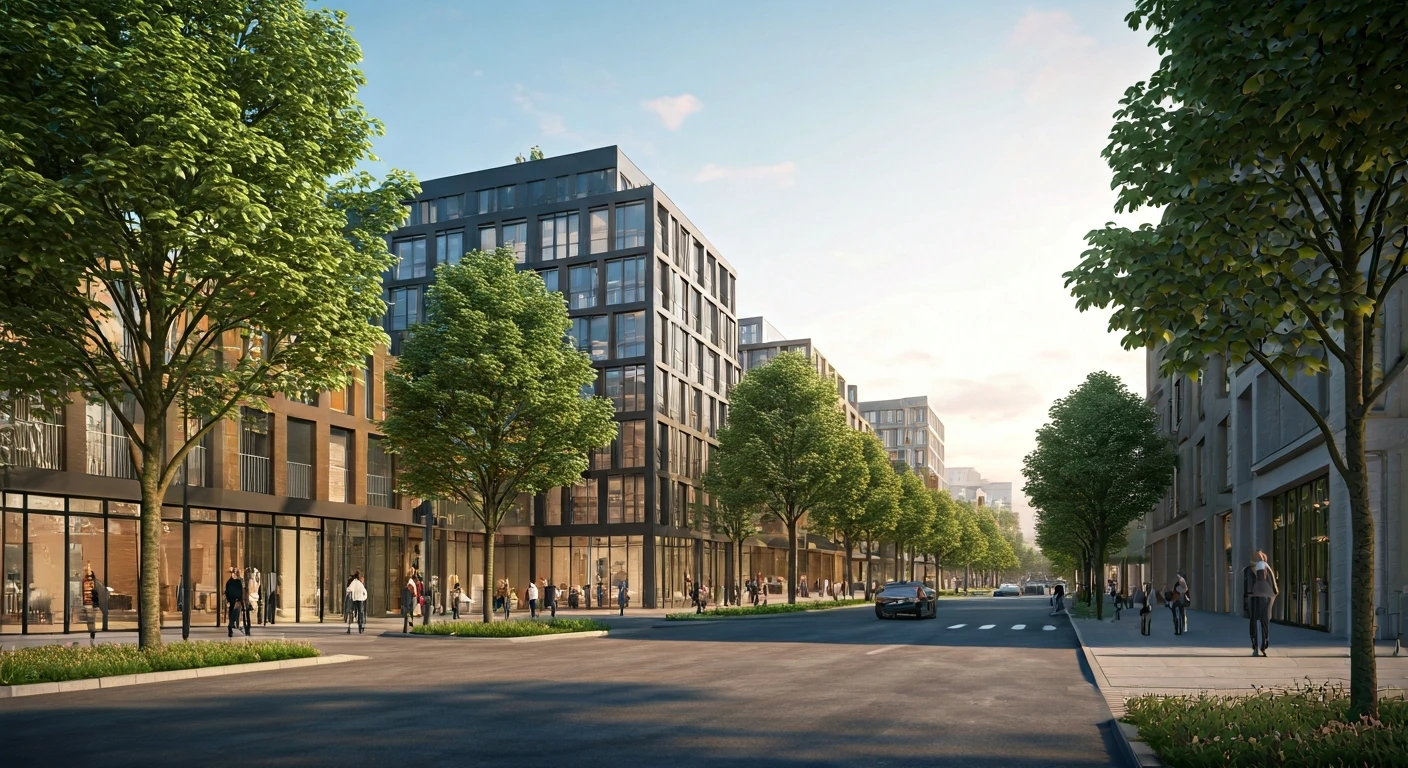
Perhaps nothing signals rising prosperity quite like a new vehicle or a new home. The demand for automobiles, both two-wheelers and increasingly four-wheelers, is seeing robust growth in non-metro regions. But the most telling story is in real estate. Tier-2 cities such as Indore, Jaipur, Lucknow, and Coimbatore are emerging as the nation's new real estate powerhouses. Unlike the saturated and sky-high prices of metros, these cities offer a compelling mix of affordability, improved infrastructure, and new employment opportunities. Initiatives like the Smart Cities Mission and massive investments in highways and airports have made these locations more attractive for both living and investment. Consequently, property prices are appreciating, and developers are flocking to these new growth centers, building not just homes but entire ecosystems for an aspirational new middle class.
The Engines of Change
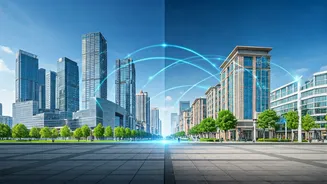
This non-metro glow-up is not a happy accident. It is the result of several powerful forces converging. Firstly, a massive government-led infrastructure push has been critical. Projects like the Bharatmala highway network and the UDAN scheme for regional air connectivity have drastically reduced travel times and integrated formerly remote areas into the national economy. This improved physical connectivity has lowered logistics costs and opened up new markets for businesses. Secondly, the decentralization of the economy is playing a major role. As companies look for growth beyond the saturated metros, many are setting up offices, manufacturing units, and service centers in Tier-2 and Tier-3 cities, creating local jobs and fueling local economies. Finally, the rise of digital infrastructure, from 4G connectivity to the UPI payments stack, has created a level playing field, giving consumers and small businesses in the heartland access to the same opportunities as their metro counterparts.