





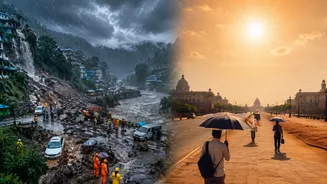


Himachal's Monsoon Roulette
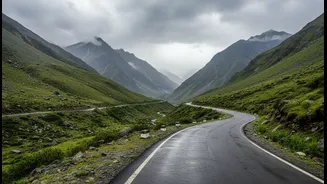
The romance of a road trip to destinations like Manali, Shimla, or Kasol is a powerful draw. Yet, the monsoon season is increasingly turning this dream into a high-stakes gamble. Recent weeks in July 2026 have seen Himachal Pradesh battered by heavy rains,
leading to widespread disruptions. According to the State Emergency Operations Centre, dozens of roads have been closed across the state, with Kullu and Mandi districts being the worst affected. News of landslides near Shimla, on the Chandigarh-Manali national highway, and in the Parvati Valley have become alarmingly frequent. For travellers, this translates to unpredictable and often lengthy delays, with journeys turning into frustrating ordeals of being stranded for hours, if not days. The risk isn't just about inconvenience; it's about safety. Incidents of falling boulders and debris have made night driving particularly hazardous on key routes like the Mandi-Pandoh-Aut stretch, with authorities repeatedly issuing advisories. This uncertainty is a major deterrent for young professionals and students from Delhi, who often travel on tight schedules and cannot afford the risk of a four-day trip turning into a week-long ordeal.
The Certainty of a 90-Minute Flight
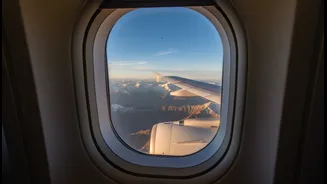
In stark contrast to the unpredictable roads of Himachal, Ladakh offers a compelling alternative: a predictable, 90-minute flight from Delhi. While a road trip to Leh is an adventure in itself, it requires at least a week or more—a luxury many young travellers don't have. The flight, however, puts them right in the heart of the majestic, high-altitude desert, ready to explore. Airlines like IndiGo, Air India, and SpiceJet operate multiple daily flights, and while peak season prices in July and August can be high, booking a few weeks in advance makes it a manageable expense for many. The appeal lies in the efficiency. A weekend warrior can leave Delhi on a Friday morning and be acclimatising in a Leh café by lunchtime. This certainty is invaluable. While Himachal's monsoon brings the threat of being cut off, Ladakh's arid climate means rain is minimal, and the primary travel corridors within the region, like those to Nubra Valley and Pangong Lake, remain largely open and accessible. This reliability has made Ladakh the go-to choice for those who want to maximise their vacation time without the anxiety of weather-related disruptions.
A Shift in the Definition of Adventure
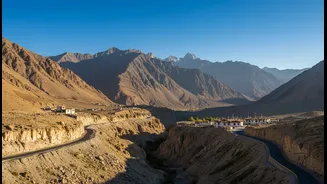
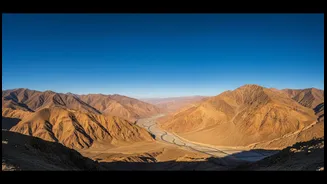
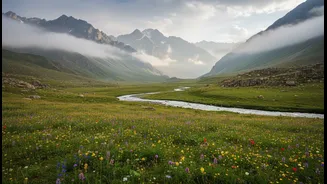
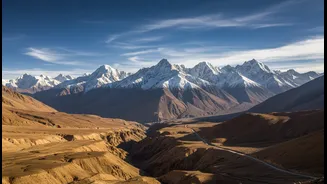
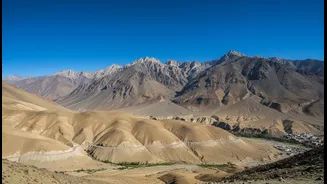
The trend also signals a subtle shift in what 'adventure' means to this generation of travellers. The classic road trip, with its potential for breakdowns and detours, is being traded for a different kind of thrill. For many, the adventure is not the journey itself, but the destination and the unique experiences it offers. Ladakh, with its otherworldly landscapes, ancient monasteries, high-altitude passes like Khardung La, and unique Tibetan Buddhist culture, provides a backdrop that is both profoundly different from the green hills of Himachal and highly shareable on social media. The stark, dramatic beauty of the cold desert, the clear night skies perfect for stargazing, and the bragging rights of visiting the 'rooftop of the world' hold immense appeal. While Himachal offers lush greenery, Ladakh provides a sense of scale, silence, and spiritual energy that many urban dwellers crave. It's less about the chaos of the journey and more about the calm and grandeur of the destination.
The Calculation of Time and Experience
Ultimately, the choice comes down to a simple calculation of risk versus reward. A road trip to Himachal during the monsoon is fraught with risks that can derail the entire plan. Recent reports have been stark, with the India Meteorological Department issuing yellow alerts and warning of flash floods and landslides. While some are still drawn to the rain-soaked beauty of the state, a significant number of young Delhiites are concluding that the odds aren't in their favour. They are prioritising guaranteed time in a spectacular location over the possibility of spending their limited vacation days stuck in traffic or a landslide-blocked valley. The flight to Leh eliminates the biggest variable—the journey—and ensures that the holiday begins the moment they land. For a generation that values experiences and efficiency, flying over the problem has become the most logical and appealing solution.