


The Power of Bodyweight Training
Bodyweight training, or calisthenics, is a highly effective method for building strength, improving endurance, and enhancing body composition. It uses your own weight as resistance, making it an accessible and versatile form of exercise you can do anywhere.
Research has shown that bodyweight exercises can produce comparable strength gains to traditional weight training. The key is focusing on proper form and progressive overload—gradually making the exercises more challenging as you get stronger. This approach trains your body to move as a connected system, improving functional strength, coordination, and stability.
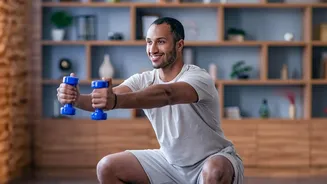
Bodyweight Squats: The Foundation
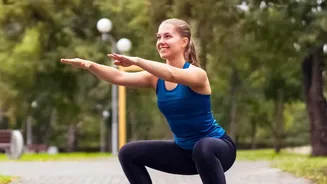
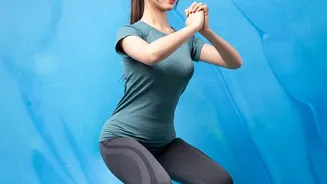
Squats are a fundamental movement that targets your quadriceps, hamstrings, and glutes, while also engaging your core for stability. To perform a squat, stand with your feet shoulder-width apart, keeping your chest up. Lower your hips back and down as if sitting in an imaginary chair, ensuring your knees track in line with your feet but not past your toes. Push through your heels to return to the starting position. This exercise is excellent for building lower-body strength and mimics daily movements, making it incredibly functional.
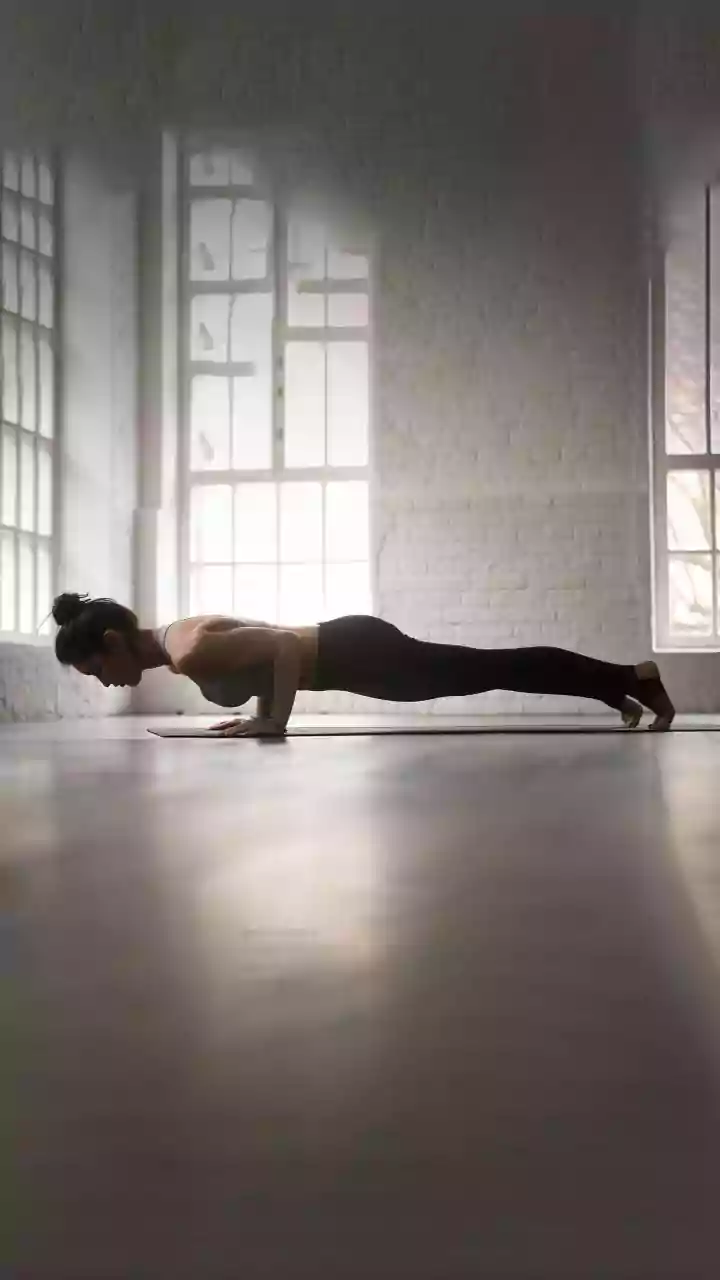
Push-Ups: The Upper-Body Standard
The push-up is a gold-standard exercise for the upper body, strengthening the chest, shoulders, triceps, and core all at once. To begin, place your hands slightly wider than your shoulders on the floor. Extend your legs back into a plank position, creating a straight line from your head to your heels. Lower your body until your chest is close to the floor, then press back up. If a full push-up is too challenging, you can start with incline push-ups against a wall or sturdy furniture, or perform them on your knees to build strength gradually.
Planks: The Core Stabilizer
A strong core is vital for posture, injury prevention, and overall stability, and the plank is one of the best exercises to build it. To perform a plank, hold a position similar to the top of a push-up, either on your hands or forearms, keeping your body in a straight, rigid line from head to heels. Engage your core and glutes to prevent your hips from sagging. Start by holding for 20-30 seconds and gradually increase the time as you get stronger. For an added challenge, you can try variations like shoulder taps or leg lifts.
Lunges: For Balance and Leg Strength
Lunges are excellent for training each leg independently, which helps improve balance and correct strength imbalances. You can perform them by stepping forward, backward, or to the side. For a reverse lunge, step one foot back and lower both knees to about a 90-degree angle, keeping your front knee aligned with your ankle. Push off your back foot to return to standing. Because they can be done in place, they are perfectly suited for small areas.
Burpees: The Full-Body Finisher
For a move that combines strength and cardiovascular conditioning, look no further than the burpee. This exercise involves a sequence of a squat, a push-up, and a jump. From a standing position, drop into a squat, place your hands on the floor, kick your feet back into a plank, perform a push-up, then jump your feet back to your hands and leap into the air. It's an incredibly efficient full-body movement. If you need a lower-impact version, you can step back instead of jumping and omit the push-up.
Glute Bridges: Activate Your Posterior Chain
Many of us spend a lot of time sitting, which can lead to weak glute muscles. The glute bridge directly counteracts this. Lie on your back with your knees bent, feet flat on the floor, and arms by your sides. Drive your hips toward the ceiling by squeezing your glutes, creating a straight line from your shoulders to your knees. Hold for a moment before lowering back down. For a greater challenge, progress to a single-leg glute bridge.