








A Different Kind of Itinerary
For decades, international travel from India was often the domain of business trips or family vacations centered on historical landmarks. But a significant shift is underway. Japan, in particular, is seeing a surge in interest from a younger, more culturally
fluent Indian demographic. According to the Japan National Tourism Organization (JNTO), the number of Indian visitors has been steadily climbing, rebounding sharply after the pandemic. What’s different about this new wave isn’t just the numbers, but the motivation. Their itineraries look less like a history textbook and more like a pop culture pilgrimage. Instead of prioritizing Kyoto’s serene shrines, they’re booking flights to experience the sensory overload of Tokyo's Akihabara district, hunt for merchandise from their favorite shows, and live out fantasies nurtured by years of digital immersion.
The Anime Pilgrim's Path
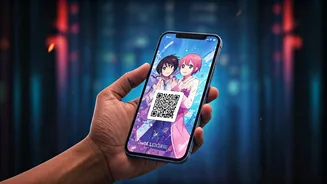
The primary engine behind this trend is the explosion of anime and manga in India. Once a niche hobby, Japanese animation is now a mainstream cultural force, thanks to global streaming giants like Netflix and dedicated platforms like Crunchyroll. For millions of young Indians, characters like Gojo Satoru from *Jujutsu Kaisen* or the cast of *One Piece* are as familiar as any Bollywood star. This deep connection creates a powerful desire to bridge the gap between the fictional world and the real one. Travelers are meticulously planning trips to see the real-life Shibuya Crossing featured in countless anime, taste the ramen depicted in *Naruto*, or find the iconic staircase from the blockbuster film *Your Name*. It’s a form of tourism where the destination’s value is measured by its connection to a beloved story. This isn't just sightseeing; it's an act of participation in a global fandom.
The Last Bastion of Arcade Culture
Alongside anime, Japan’s legendary arcade scene—known as *gesen* (game centers)—offers a unique allure that is almost impossible to replicate elsewhere. While arcades have largely vanished from the American and Indian landscapes, they remain vibrant, multi-story hubs of social activity in Japan. For Indian gamers raised on mobile and console titles, the experience is a revelation. It’s the thunderous sound of competing rhythm games, the intense focus of a fighting game tournament, and the collective gasp as someone nearly wins a prize from a UFO catcher (crane game). These aren't just places to play games; they are cultural institutions. Tourists are drawn to iconic venues like the GiGO arcades, spending hours engrossed in a tangible, high-energy gaming experience that feels both retro and futuristic. It represents a different, more communal way of engaging with a beloved hobby.
More Than Just a Fandom Trip
While pop culture provides the magnetic pull, practical factors have made the journey possible. Japan has simplified visa requirements for Indian nationals in recent years, lowering a significant barrier to entry. Furthermore, as India’s economy has grown, so has the disposable income of its urban youth, enabling them to afford international travel. Japan also benefits from its reputation as a destination that is hyper-modern, impeccably clean, and exceptionally safe. For a generation that grew up with images of Tokyo's neon-drenched efficiency, the country offers the perfect blend of the familiar (through anime) and the aspirational (through its advanced infrastructure and unique social etiquette). It’s the ultimate real-life adventure for those who have spent years exploring it virtually.