
The Core Idea: Waste as a Resource
Before you toss that faded kurta, old pair of jeans, or retired saree, take a moment to see it differently. Instead of waste, view it as a raw material. Every year, households discard tonnes of fabric that could be given a second life. Upcycling these
textiles is not just an eco-friendly choice; it's a design masterstroke. It allows you to create one-of-a-kind pieces that tell a story, embedding your personal history into the very fabric of your home. This approach reduces landfill waste, conserves resources, and, most importantly, provides you with unique decor that can't be bought in a store.
From Old Sarees to New Cushion Covers
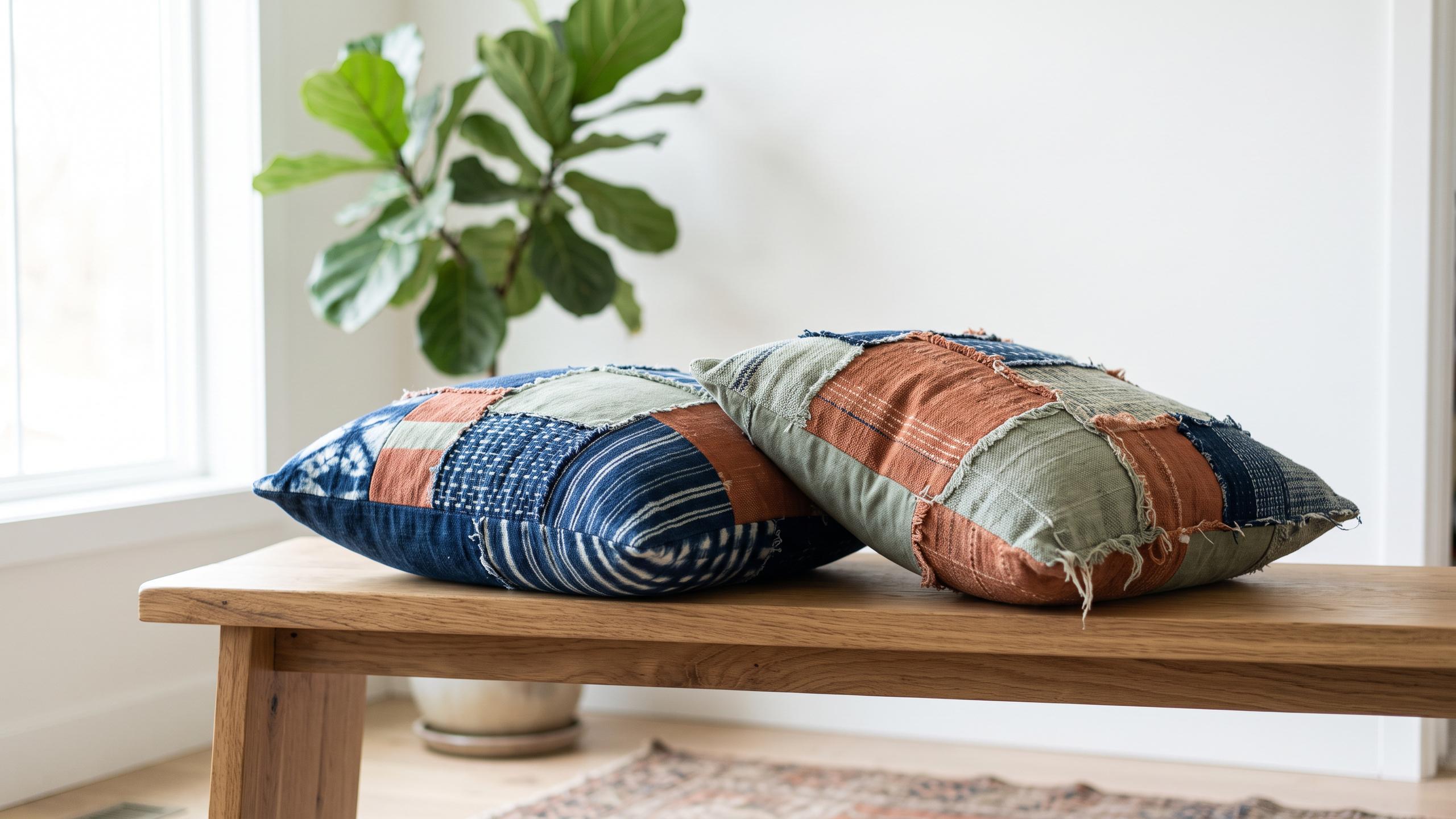
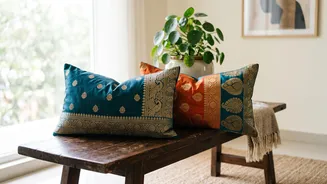
One of the most effective ways to refresh a living room is by changing the cushion covers. Instead of buying generic ones, turn to that collection of old sarees. The rich silk, intricate zari borders, and vibrant patterns of a Banarasi or Kanjeevaram saree can be transformed into luxurious cushion covers that look incredibly high-end. Simply cut the saree into squares, stitch them up, and you have a set of designer-quality cushions that add a touch of Indian heritage and elegance to your sofa. Even simpler cotton sarees with beautiful block prints can create a fresh, bohemian look.
Weave a Unique Rug from T-Shirts
A statement rug can anchor a living room, but large ones are often expensive. The solution? Make your own. Old cotton t-shirts are perfect for creating a braided or woven rag rug. By cutting the shirts into long strips, you can braid them together and then coil and sew the braid into a circular or oval rug. This project is not only cost-effective but also results in a soft, durable, and completely unique floor covering. You can create a cohesive colour scheme or mix and match for a more eclectic, vibrant piece that adds texture and warmth to your floor.
Frame Fabric Scraps as Wall Art
Empty walls can make a room feel sterile. Instead of spending on mass-produced prints, create your own gallery wall using fabric. A particularly beautiful section of an old dupatta, a piece of a block-printed kurta, or the ornate 'pallu' of a saree can be stretched over a canvas or placed in a simple wooden frame. This creates a piece of art that is personal, textured, and often more visually interesting than a standard print. You can group several smaller frames together to make a bigger impact. It's a fantastic way to preserve the memory of a beloved piece of clothing while adding a sophisticated design element to your room.
Craft a Customised Throw or Quilt
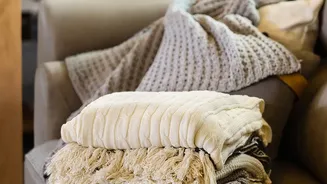
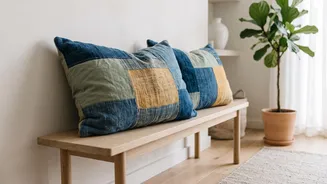
A cosy throw blanket draped over a sofa adds a layer of comfort and style. By sewing together different pieces of fabric, you can create a personalised patchwork quilt or throw. Combine squares of old denim, soft flannel shirts, and sturdy cotton fabrics to craft a blanket that is both functional and decorative. This 'memory quilt' can be a beautiful way to hold onto fabrics that have sentimental value. For a no-sew option, you can create a trendy tassel garland by tying strips of fabric onto a long piece of twine to hang over a doorway or on a wall.
Reupholster a Small Statement Piece
For a more ambitious but highly rewarding project, consider reupholstering a small item of furniture. An old ottoman, footstool, or dining chair seat can be given a dramatic makeover with a new fabric covering. Durable materials like old jeans are perfect for this, as they can withstand regular use. Even a sturdy canvas tote bag can be repurposed. This allows you to introduce a pop of colour or a bold pattern into your room at a fraction of the cost of buying a new piece of furniture, instantly turning a tired item into a chic and custom focal point.