

From Traditional Coolants to Trendy Tonics
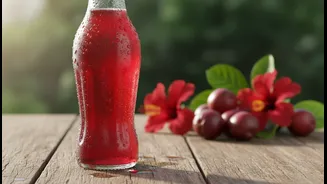
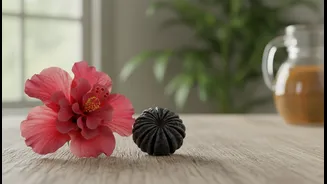
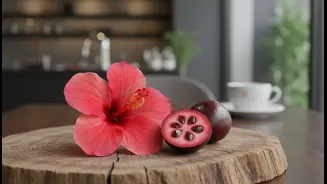
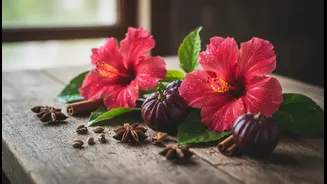
For generations, hibiscus (gudhal) and kokum have been staples in Indian households, especially during scorching summers. Kokum sharbat, a tangy, deep red drink from the Western Ghats, is famed for its cooling properties. Similarly, hibiscus flowers were
often steeped in water to make refreshing teas and sharbats, valued in Ayurveda for their medicinal benefits. But these ingredients were largely confined to home kitchens and traditional remedies. Today, they are being reborn. Cafés, which have become social and cultural hubs for Gen Z and millennials, are now platforms for this revival. Young Indians, eager to connect with their heritage, are enthusiastically ordering drinks that were once staples for their grandparents, but with a modern twist.
The Instagram-Ready Aesthetic
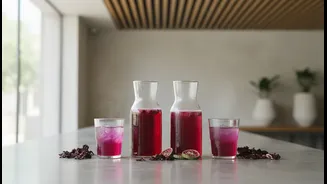
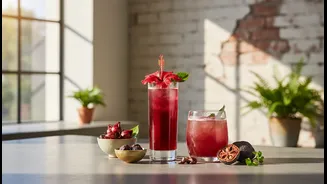
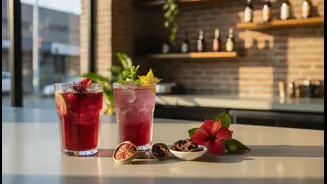
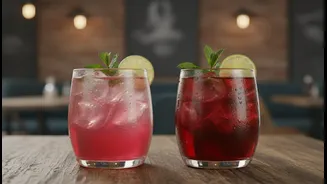
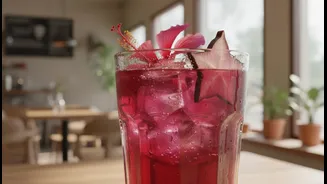
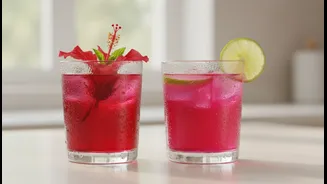
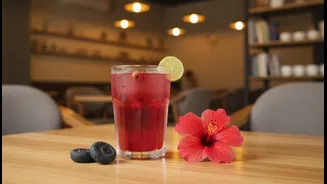
A key driver of this trend is undoubtedly visual appeal. In an age where what we consume is also content for our social media feeds, the striking natural colours of hibiscus and kokum are a huge draw. The brilliant, ruby-red of a hibiscus iced tea or the rich, purplish tint of a kokum cooler are photogenic and stand out in a sea of beige coffees and brown colas. Cafés are leaning into this, creating visually stunning beverages that are practically designed to be shared online. This ‘camera eats first’ culture has turned these botanical drinks into more than just refreshments; they are aesthetic statements, signaling a taste for things that are both natural and beautiful.
A Sip of Wellness and Health
Beyond aesthetics, the wellness craze is a powerful force behind the popularity of botanical beverages. Today's urban youth are increasingly health-conscious, scrutinizing labels and moving away from sugary, artificial soft drinks. Hibiscus and kokum fit perfectly into this lifestyle. Hibiscus is packed with antioxidants and Vitamin C, and is traditionally believed to support heart health and lower blood pressure. Kokum is celebrated as a digestive aid, an anti-inflammatory agent, and a natural coolant. For a generation seeking 'functional' foods and drinks that offer benefits beyond basic nutrition, these botanicals provide a guilt-free, natural alternative that tastes good and does good.
Championing Local and Authentic Flavours
There's a growing sense of pride among young consumers in local traditions and ingredients. The trend reflects a broader shift towards authenticity and supporting homegrown products. While global flavours still have their place, ingredients with a strong regional identity, like kokum from the Konkan coast, offer a story and a connection to a specific part of India's culinary map. This desire for naturalness and a clear origin story makes these botanicals more appealing than mass-produced, generic flavourings. By choosing a kokum spritzer over an imported soda, young patrons are making a statement about valuing their own food heritage.
The Café as a Creative Flavour Lab
Cafés have become playgrounds for culinary creativity, and bartenders and chefs are finding endless ways to innovate with these versatile ingredients. Hibiscus and kokum are no longer limited to simple teas or sharbats. They are being infused into artisanal kombuchas, used as a tart base for non-alcoholic cocktails (mocktails), blended into complex syrups for lattes, and even used as a souring agent in salad dressings. This experimentation keeps the trend exciting and dynamic, offering new flavour experiences that are adventurous without being alienating. As chefs continue to push boundaries, they introduce these traditional flavours to a new generation in formats they find exciting and modern.