




The Gentle Art of Steaming
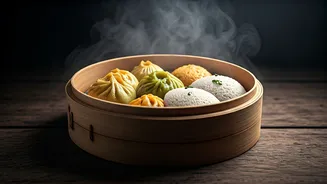
Across India and Asia, steaming isn't just a cooking method; it's a culinary philosophy. By using hot vapour to cook food, it locks in moisture, nutrients, and the natural flavours of ingredients in a way that frying or even boiling can't. Vitamins B and C,
which are water-soluble, are better preserved, and there’s no need for added fats to conduct heat. The result is food that’s light, clean-tasting, and incredibly easy to digest. It’s the ultimate kitchen hack for flavourful, feel-good meals that nourish from the inside out. This ancient technique is finding new relevance for modern health-conscious food lovers who refuse to compromise on taste.
Idli: The South Indian Superstar
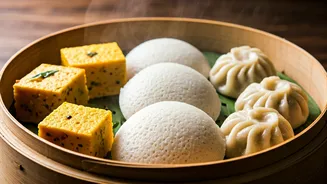
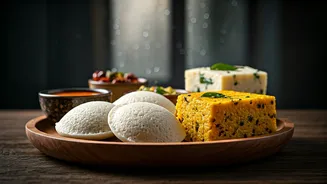
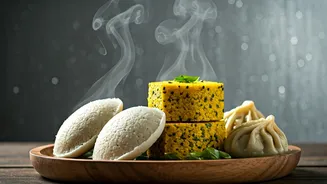
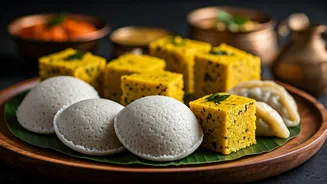
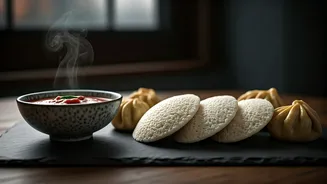
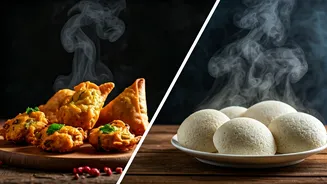
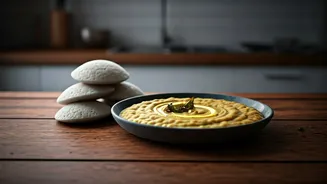
Soft, pillowy, and white as a cloud, the humble idli is the undisputed king of steamed breakfasts. Made from a fermented batter of rice and urad dal, it’s a powerhouse of nutrition. The fermentation process breaks down starches and proteins, making them easier to digest, and it also increases the bioavailability of nutrients like B vitamins. An idli is naturally gluten-free and contains no oil in its preparation. Paired with a flavourful sambar and a fresh coconut chutney, it’s a perfectly balanced meal that provides sustained energy without weighing you down. It’s not just food; it’s a wholesome start to the day, perfected over centuries.
Dhokla: Gujarat’s Spongy Delight
If idli is the gentle morning hug, dhokla is its vibrant, zesty cousin. This savoury cake from Gujarat, made from a fermented batter of gram flour (besan), is a marvel of texture and taste. It’s spongy, airy, and boasts a complex flavour profile that is simultaneously tangy, sweet, and savoury. Steaming is crucial to achieving its signature porous texture. Once cooked, it’s often topped with a light tempering (tadka) of mustard seeds, curry leaves, and green chillies, adding a burst of flavour with minimal oil. As a low-calorie, high-protein snack, dhokla is the perfect answer to mid-afternoon hunger pangs, offering satisfaction without the slump.
Momos: The Himalayan Hug in a Dumpling
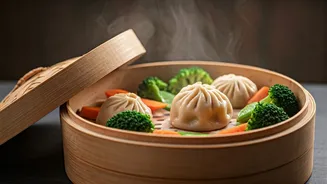
Few things inspire as much devotion as a plate of hot momos. These delicate dumplings, with origins in Tibet and Nepal, have become a beloved street food across India. A thin, tender wrapper encases a flavourful filling—traditionally minced meat but now commonly available with vegetables, paneer, or soy. When steamed, the wrapper becomes translucent and chewy, perfectly complementing the juicy interior. Unlike their fried counterparts, steamed momos are wonderfully light. They deliver a pure, unadulterated taste of their fillings, enhanced only by a fiery dipping sauce. Each bite is a self-contained parcel of comfort, proving that simple preparations often yield the most profound culinary joy.
Patra: A Flavourful Green Roll
A lesser-known but equally delicious steamed classic is the West Indian dish, Patra (or Aluvadi). It features colocasia leaves (arbi ke patte) slathered with a thick, spiced paste of gram flour, tamarind, jaggery, and spices. The leaves are then rolled tightly into logs and steamed until firm. The steaming process cooks the leaves and the batter, melding the flavours into a harmonious whole. The resulting rolls are sliced into thick pinwheels that are tangy, sweet, and earthy. They can be eaten as is for the healthiest version or lightly sautéed for a crispier edge. Patra is a brilliant example of how steaming can transform humble ingredients into a sophisticated and satisfying snack.