



The Unique Charm of Autumn Blossoms
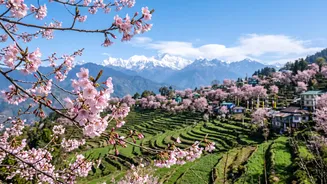
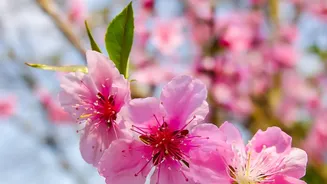
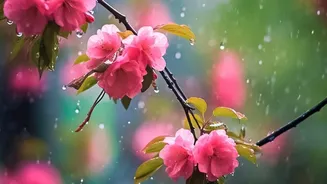
Unlike the famous spring blooms of Japan, Sikkim celebrates the Himalayan wild cherry, which unfurls its pink and white petals in late autumn. From late October through November, the landscape transforms, with the most sought-after views found at the Temi
Tea Garden in South Sikkim. The 2026 Sikkim Cherry Festival, scheduled from November 14th to 28th, is timed to coincide with this peak blooming season. Visitors are treated to a breathtaking contrast: delicate pink flowers set against the lush green of tea bushes, with the snow-capped peak of Mount Kanchenjunga often visible in the background on clear days. This fleeting spectacle symbolises renewal and the transient beauty of nature, making it a powerful and serene experience for all who witness it.
Temi Tea Garden: The Heart of the Festival
The festival is centred around Temi Tea Garden, Sikkim's only tea estate. Established in 1969, this sprawling 440-acre organic garden is renowned for producing some of the finest teas in the world. During the festival, the garden becomes an open-air celebration of nature and culture. Organised by the Temi Tarku Tourism Development Committee (TTTDC), the event aims to promote local tourism and provide a platform for community businesses. A key attraction is, of course, the tea itself. Visitors can tour the tea factory to learn about the organic production process, from withering to drying, and participate in tea tasting sessions to savour the fresh brews. The estate's kiosk also offers tea for purchase, making for a perfect souvenir.
Festival Sights, Sounds, and Flavours
The Sikkim Cherry Festival is more than just a floral spectacle; it's a vibrant cultural fair. The 2026 edition promises a wide array of activities to engage visitors. Adventure seekers can get their adrenaline fix with options like zip-lining, paragliding, and all-terrain vehicle (ATV) rides. For those looking for a more relaxed pace, there are opportunities for nature walks, birdwatching, and horse riding through the scenic trails. The festival is also a fantastic showcase of local Sikkimese culture, featuring traditional dance and music performances. Stalls run by local entrepreneurs and self-help groups offer authentic ethnic cuisine, handicrafts, and organic produce, allowing visitors to immerse themselves in the local way of life. In the evenings, bonfires and live music create a festive and welcoming atmosphere.
Exploring Beyond the Blossoms
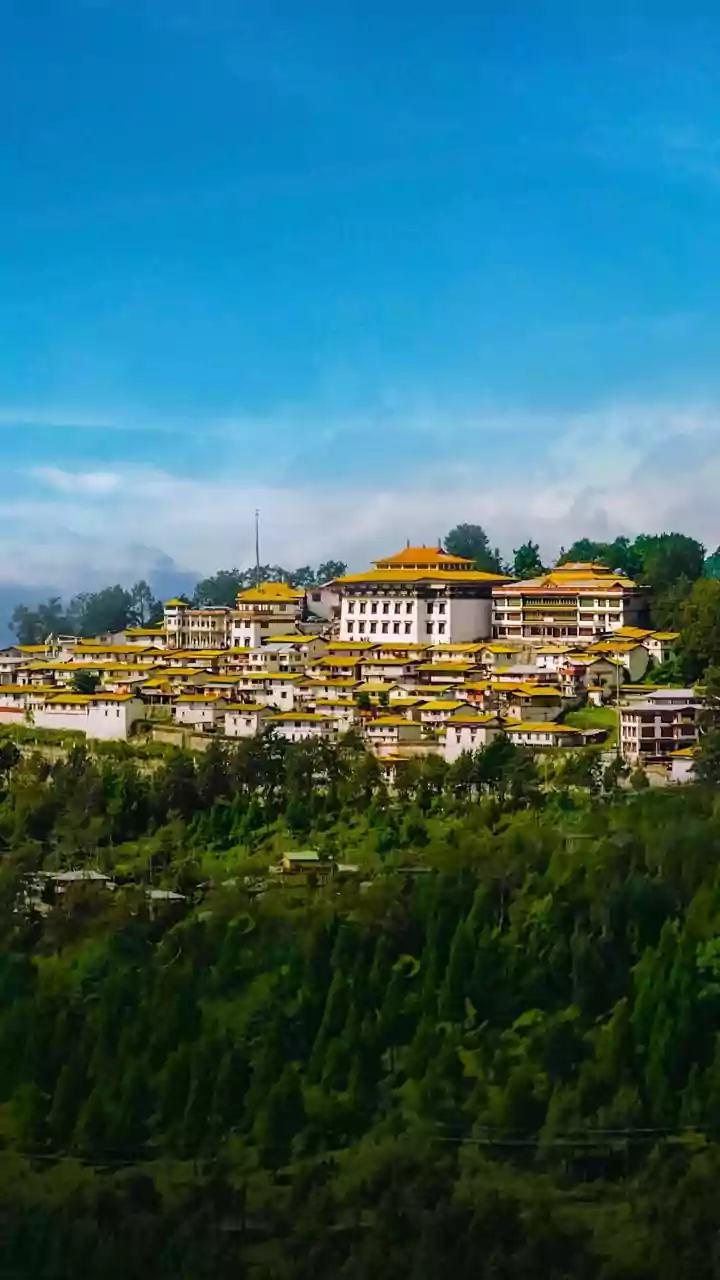
While the festival at Temi is the main draw, South Sikkim offers several other attractions worth exploring. Namchi, the district headquarters, is home to the impressive Siddheshwara Dham, also known as Char Dham, which features replicas of major Hindu temples, and the towering statue at Samdruptse Hill. Another must-visit is Ravangla's Buddha Park, a serene complex featuring a 130-foot statue of the Buddha set against a Himalayan backdrop. These sites are easily accessible from Temi and can be integrated into a multi-day itinerary. Autumn's clear skies make it an ideal time for sightseeing, offering crisp views and pleasant weather for travelling between these cultural and spiritual landmarks.
Planning Your Trip: A Practical Guide
To make the most of your visit, planning is key. The nearest major airport is Bagdogra in West Bengal, approximately 102 km from Namchi, while the closest railway station is New Jalpaiguri (NJP). From there, you can hire a taxi for the scenic drive to Temi, which takes around three to four hours. Accommodation options range from the heritage Temi Bungalow to various lodges and local homestays. Given the festival's popularity, it is advisable to book your stay well in advance, especially for weekends. Pack layered clothing, as temperatures can be cool, particularly in the mornings and evenings. While there, be sure to carry some cash for local stalls and transportation. Weekdays are generally less crowded if you prefer a quieter experience.