






The Power of Blue Carbon
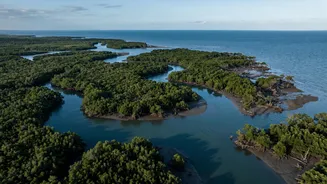
Coastal ecosystems like mangroves, salt marshes, and seagrass beds are climate superheroes. Termed 'blue carbon' ecosystems, they punch far above their weight in the fight against climate change. While they cover less than one percent of the Earth's surface,
they are incredibly efficient at capturing carbon dioxide from the atmosphere. Research shows that mangroves and coastal wetlands can sequester carbon at a rate up to ten times greater than mature tropical forests. Unlike forests that store most carbon in their wood and leaves, the secret to blue carbon's power lies in the soil. The waterlogged, low-oxygen mud traps organic matter from decaying plants, preventing it from breaking down and releasing its carbon. This process allows carbon to remain locked away for hundreds or even thousands of years, forming deep, rich deposits.
A Hidden Carbon Bomb is Ticking
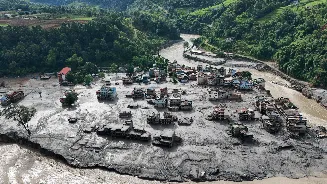
The stability of these carbon sinks is not guaranteed. When these vital habitats are destroyed—whether through coastal development, agriculture, aquaculture, or erosion from rising seas—the consequences are twofold. First, we lose their immense capacity to absorb future emissions. Second, and more alarmingly, the carbon that has been safely stored for millennia is exposed. Once disturbed, the soil's chemistry changes, allowing microbes to break down the organic matter and release the stored carbon back into the atmosphere and ocean. This transforms these ecosystems from powerful carbon sinks into significant carbon sources. Recent NASA-supported research highlights the scale of this problem, finding that eroding coastal wetlands along the U.S. Atlantic and Gulf coasts are releasing hundreds of thousands of metric tons of carbon into the ocean each year.
A Dangerous Climate Feedback Loop
This release of ancient carbon creates a dangerous self-perpetuating cycle. The additional carbon dioxide and methane contribute to global warming, which in turn accelerates sea-level rise and increases the intensity of storms. These effects then lead to more coastal erosion and the drowning of more wetlands, releasing even more carbon. A study from mid-2026 suggests that as flooding becomes more extreme, mangroves can 'drown', and the subsequent erosion of their carbon-rich soils could turn entire forests from net sinks into net sources of carbon. This feedback loop means that the loss of coastal land is not just a symptom of climate change, but an active accelerator of it, a fact that has often been overlooked in global climate models.
The Stakes for India's Coastline
With over 7,500 kilometres of coastline, the implications of this research are profoundly important for India. The country is home to vital blue carbon ecosystems, including the iconic Sundarbans mangrove forest, one of the largest in the world. These areas are not only biodiversity hotspots but also crucial shields for millions of people against cyclones and storm surges. The degradation of these ecosystems, driven by development pressure and climate change, poses a dual threat. It weakens coastal defenses, leaving communities more vulnerable to flooding and erosion, while simultaneously contributing to the very climate change that worsens these hazards. The loss of these habitats also impacts livelihoods, as they serve as critical nurseries for fisheries that support coastal communities. Understanding that damaged wetlands become carbon sources reframes the urgency of their protection from a local environmental issue to a national climate priority.
Rethinking Conservation as Climate Action
The latest findings make it clear that protecting and restoring coastal ecosystems is one of the most effective nature-based solutions for climate mitigation. It’s not just about planting trees, but about securing the soil beneath our coastal wetlands. When these habitats are lost, the resulting emissions can be staggering; some estimates suggest that the destruction of coastal ecosystems releases up to a billion metric tons of carbon dioxide annually. This new understanding requires a shift in policy, viewing coastal conservation not just as an act of protecting wildlife or scenery, but as a direct and critical form of climate action. Protecting our remaining mangroves, restoring degraded salt marshes, and ensuring sustainable coastal development are now essential strategies for meeting national and global climate goals.