




Why the Monsoon is a High-Risk Season
The defining characteristic of the Indian rainy season isn't just the rain; it's the humidity. When humidity levels soar, it creates the ideal moist and warm environment for bacteria, mould, and fungi to multiply rapidly on food. Food that might have
been perfectly fine on a dry day can spoil much faster. This increased microbial growth is the primary reason for the spike in foodborne illnesses like gastroenteritis, food poisoning, and other stomach infections during these months. The Food Safety and Standards Authority of India (FSSAI) regularly issues advisories during this period, emphasising the need for extra care in the kitchen. Understanding that the environment itself is working against food longevity is the first step toward better safety.
The Two-Hour, Two-Inch Rule
Food safety experts globally follow a simple but critical guideline: the two-hour rule. Cooked food should not be left at room temperature for more than two hours. During the monsoon, it's wise to be even stricter with this timeline. Once your meal is done, don't let the leftovers sit on the dining table or kitchen counter for long. Aim to get them into the refrigerator as quickly as possible. To help with this, use the 'two-inch' rule. Store food in shallow containers, no more than two inches deep. This allows the food to cool down much faster in the refrigerator, moving it out of the temperature 'danger zone' (between 5°C and 60°C) where bacteria thrive. Spreading rice or curries on a flat plate to cool before packing them away can also accelerate the process.
Airtight is Always Right
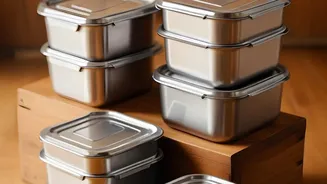
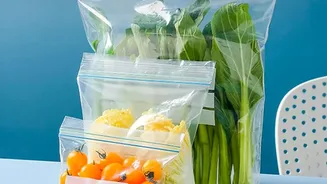
Once food has cooled, how you store it is paramount. Simply covering a bowl with a loose lid is not enough during the monsoon. High humidity means moisture is in the air, and it will find its way into your food, encouraging spoilage. Invest in good quality airtight containers. Glass containers are an excellent choice as they are non-porous and don't absorb stains or odours. Airtight storage does two things: it prevents moisture and airborne contaminants from getting in, and it stops smells and bacteria from your leftovers cross-contaminating other foods in your fridge. This is especially important for perishable items like milk products, cooked dals, and meat preparations.
Handling Common Indian Leftovers
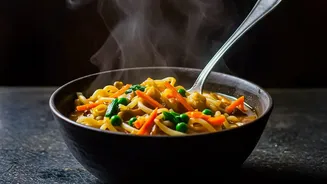
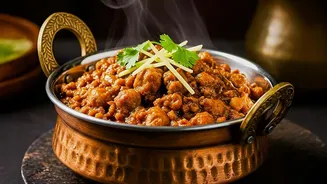
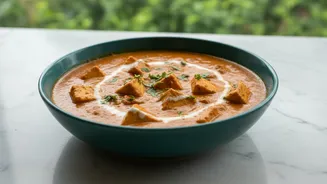
Different foods have different risks. Cooked rice is a major culprit for food poisoning during humid weather due to the bacteria Bacillus cereus. Its spores can survive cooking and multiply rapidly at room temperature. Never leave cooked rice out for more than an hour or two; cool it quickly and refrigerate. Dals and gravies should be stored in airtight containers and will typically last a day or two. Rotis and bread are prone to mould; storing them in the fridge in a sealed container rather than a cloth-lined casserole is safer during the monsoon. Use leftover rotis within a day. For any leftover sabzi or curry, ensure it is refrigerated promptly and consumed within 24-36 hours for maximum safety.
Reheat, and Reheat Well
When it's time to eat your leftovers, reheating isn't just about warming the food up; it's a final safety check. All leftovers should be reheated to a temperature of at least 74°C (165°F). In practical terms, this means the food should be steaming hot all the way through, not just warm on the edges. For liquids like dal, soups, or curries, bring them to a rolling boil for at least a minute. If using a microwave, cover the food to retain moisture and ensure even heating, stirring it midway through. Proper reheating kills most of the bacteria that may have developed during storage, providing a crucial final line of defence.
When in Doubt, Throw It Out
This is the most important rule of all. Your senses are a good first guide. If a food has a strange smell, a slimy texture, or any visible signs of mould, do not taste it to check. Discard it immediately. However, some dangerous bacteria do not produce any off-smells or tastes. This is why following the time and temperature rules is so important. If you've accidentally left a curry out overnight or can't remember if the dal has been in the fridge for two days or four, it's safer to err on the side of caution and throw it away. A single meal is not worth the risk of a severe stomach infection, especially during the vulnerable monsoon season.