


Navigating Post-Monsoon Conditions
The late autumn months, specifically October and November, mark a transitional weather period in Lakshadweep. While the heavy southwest monsoon has subsided, the region can still experience the effects of the northeast monsoon, which may bring unpredictable
weather and rougher seas than the peak tourist season. Authorities regulate entry to ensure that all travel between islands and access to water activities can be conducted safely. This careful management during the post-monsoon phase is essential for visitor safety, preventing tourists from being stranded or facing dangerous conditions at sea. The permit system allows the administration to keep a clear record of who is on which island, a critical component of disaster preparedness in this remote archipelago.
Protecting a Fragile Paradise
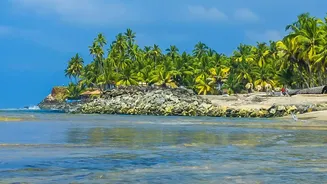
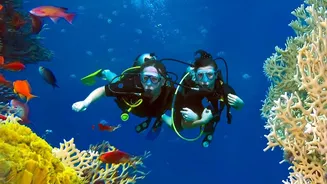
Beyond weather concerns, the permit system is the cornerstone of Lakshadweep's sustainable tourism model. The islands are a designated UNESCO World Biosphere Reserve, boasting some of the world's most delicate coral reef ecosystems. These reefs, which are home to a vibrant array of marine life, are exceptionally vulnerable to human activity. The permit requirement helps manage tourist inflow, preventing the kind of mass tourism that could lead to environmental degradation, pollution, and damage to the corals. By limiting the number of visitors at any given time, the administration ensures that the natural beauty that draws people to Lakshadweep is preserved for future generations. This controlled access is fundamental to the 'eco' in eco-resorts.
The Permit Application Process
For Indian tourists, securing an entry permit is now a more streamlined process. While it remains mandatory for all non-residents, the administration has recently removed the need for a Police Clearance Certificate (PCC) and a local sponsor for tourist applications. This has made planning a trip significantly easier. The official way to apply is through the government's ePermit portal. Applicants need to register, fill in their travel details, specify the islands they intend to visit, and upload a valid ID and photograph. It is highly recommended to have your travel dates and accommodation bookings confirmed before applying, as these details are required. The administration advises applying at least 15 days in advance.
Which Islands Can You Visit?
The permit specifies which islands you are allowed to visit. For Indian tourists, popular islands like Agatti, Kavaratti, and Bangaram are generally accessible. Foreign nationals typically require a Restricted Area Permit (RAP) and are often limited to visiting specific islands like Agatti and Bangaram, which are equipped for international tourists. It is crucial to adhere to the itinerary mentioned in your permit. Some islands, like Minicoy, may have separate application channels through the Society for Promotion of Nature Tourism and Sports (SPORTS). Always verify the latest rules for your chosen islands when planning your trip.
The Reward: Sustainable Stays
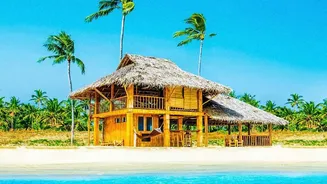
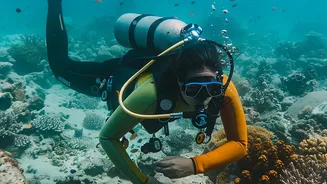
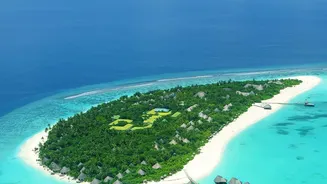
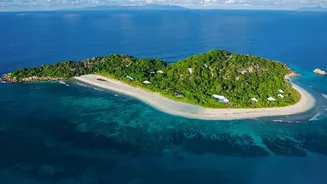
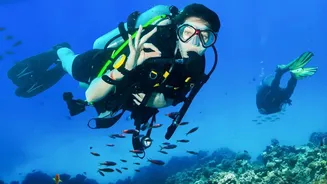
The effort of securing a permit is rewarded with access to one of India's most exclusive and pristine destinations. The eco-resorts in Lakshadweep, from government-run cottages to new luxury properties by groups like Taj and IHCL, are designed with sustainability in mind. Many properties are built with eco-friendly materials and employ practices like rainwater harvesting and solar power to minimize their environmental footprint. These resorts offer activities like scuba diving and snorkeling under strict guidelines to protect marine life. By staying in these eco-resorts, visitors not only enjoy an incredible vacation but also contribute to a tourism model that prioritizes conservation and supports the local community.