



Monsoon-Proof Your Indoor Garden
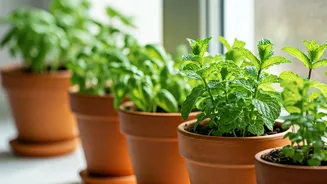
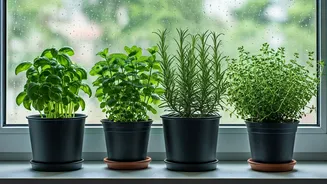
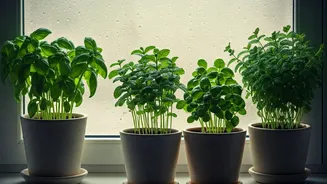
Gardening indoors during the monsoon presents unique challenges. Sunlight is scarce, and high humidity can invite problems like fungal growth and pests. However, with the right approach, you can create a thriving green corner. First, ensure your pots
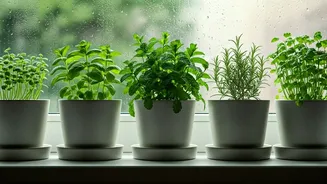
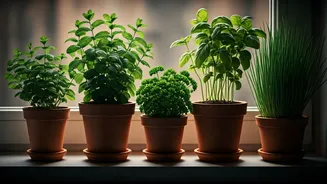
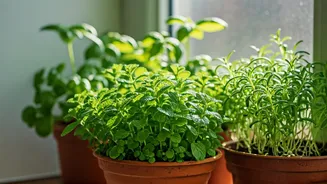
have excellent drainage to prevent waterlogging and root rot, a common issue during this damp season. A well-draining potting mix is crucial; avoid heavy garden soil that compacts easily. You can improve drainage by adding sand or perlite to your mix. Since light is limited, position your plants near the brightest window you have, even if it only receives indirect light. Finally, be mindful of watering. With high humidity, the soil dries out much slower. Always check the top inch of soil; if it feels dry, it's time to water, but don't let the pots sit in soggy soil.
1. Mint (Pudina)
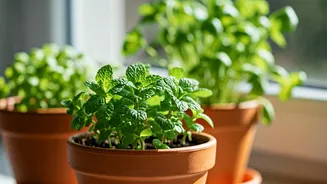
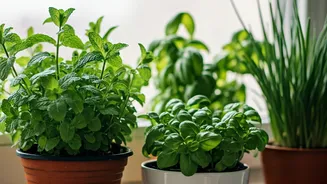
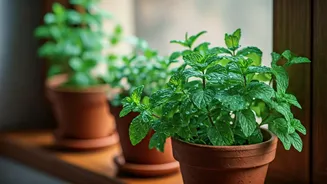
Mint is arguably the easiest and most rewarding herb for a low-light indoor garden. Famous for its resilience, this fragrant herb is remarkably forgiving and adapts well to the partial shade often found indoors during the monsoon. Its refreshing leaves are a staple in Indian kitchens, perfect for everything from chutneys and raitas to invigorating teas. To get started, you can easily grow mint from a stem cutting taken from a market-bought bunch. Place the stem in a glass of water until roots form, then plant it in a pot with a well-draining soil mix. Mint prefers consistently moist soil, but be extra careful not to overwater during the humid rainy season. Keep the pot in a spot that receives indirect light, like an east-facing window, and rotate it every few days to encourage even growth.
2. Parsley
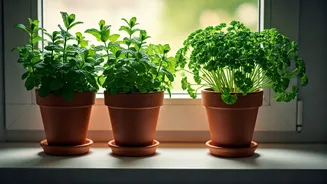
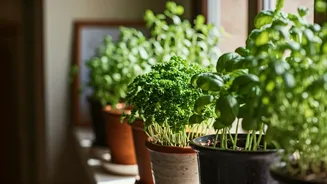
Often underestimated, parsley is a hardy herb that can tolerate lower light levels better than many of its sun-loving counterparts. Its ability to thrive in partial shade makes it an excellent candidate for a monsoon herb garden. Both the curly and flat-leaf varieties grow well in containers, providing a fresh, peppery flavour for garnishes, salads, and sauces. Parsley has a long taproot, so it's best to start it from seed directly in a deep pot (at least 6-8 inches). While it prefers a sunny spot, it will still produce well in a bright indoor location without direct sun. The key is good drainage to avoid root issues. Keep the soil lightly moist and consider placing the pot in a kitchen where humidity from cooking can benefit the plant.
3. Chives
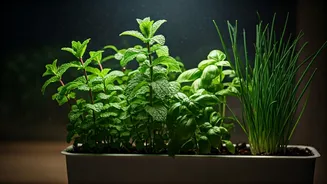
With a delicate, mild onion flavour, chives are a fantastic addition to any indoor garden. They are surprisingly tolerant of low-light conditions and can manage with as little as four to six hours of indirect light per day. This makes them perfectly suited for the dimmer environment of a monsoon home. Chives grow in attractive, grass-like clumps and are easy to care for. Plant them in a pot with good drainage and use a standard, well-draining potting mix. While they won't grow as vigorously as they would in full sun, they will still provide a steady supply of flavourful leaves for snipping into eggs, soups, and salads. Water when the top layer of soil feels dry, and rotate the pot occasionally to keep the plant from leaning towards the light.
4. Lemon Balm
A delightful member of the mint family, lemon balm brings a bright, citrusy aroma to your home. It's known for being a forgiving herb, making it great for beginners. Like its mint relatives, lemon balm performs well in partial shade and can be grown successfully indoors with limited sunlight. Its fragrant leaves are wonderful for making calming herbal teas or adding a zesty twist to water and desserts. You can grow lemon balm from seeds or cuttings in any standard container with good drainage. It prefers consistently moist soil but is susceptible to root rot if overwatered, a key concern during the monsoon. Place it near a bright window where it can get several hours of indirect light, and you'll be rewarded with fragrant foliage all season long.