






More Than Just a Pretty Picture
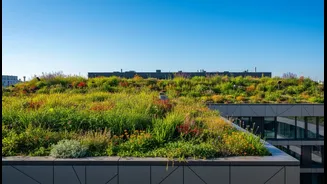
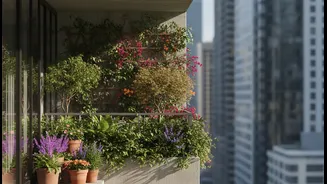
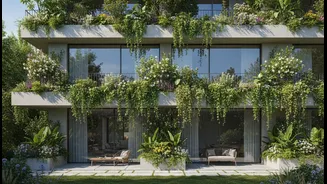
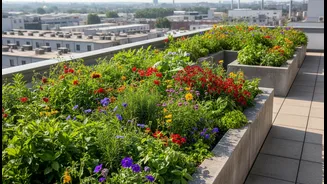
Plant-led cooling is a form of nature-based design that uses vegetation to lower temperatures in our cities and homes. Think of it as strategic green infrastructure. This includes green roofs and vertical gardens that act as living insulation, along with
the thoughtful placement of trees to shade buildings and paved surfaces. The science is simple yet powerful. Through a process called evapotranspiration, plants release water vapour into the air, creating a natural cooling effect, much like a misting fan. This, combined with the physical shade they provide, can dramatically reduce the urban heat island effect, where cities become significantly hotter than surrounding rural areas. Research shows that a green roof can lower surface temperatures by as much as 40°C compared to a conventional one, significantly cutting down the heat absorbed by a building.
The Untapped Potential for India
For a country facing rising temperatures and a growing demand for energy, the benefits are immense. Plant-based solutions can reduce the need for air conditioning, leading to lower electricity bills and a smaller carbon footprint. Beyond cooling, this green infrastructure acts as a sponge during heavy monsoons, absorbing rainwater and reducing the strain on overburdened urban drainage systems. It also improves air quality by filtering pollutants and creates habitats for birds and insects, bringing biodiversity back into our cities. With over 70% of the building stock that will exist in India in the coming decades yet to be constructed, there is a monumental opportunity to build smarter and more sustainably from the ground up. Integrating plant-led cooling is not just an aesthetic choice; it's a critical strategy for creating more liveable and resilient cities.
Where Current Advice Falls Short
Despite the promise, the execution often fails, which is where the need for better guides becomes urgent. The current approach to 'green buildings' in India is frequently criticised as a box-ticking exercise. A glass-walled office building might get a 'green' certification for using expensive, high-performance glass and efficient air conditioning, but this approach first heats the building up and then spends resources to cool it down. Moreover, many guides offer generic, one-size-fits-all advice that ignores India’s vast climatic diversity. Promoting water-guzzling, non-native plants in arid regions like Rajasthan or failing to account for the structural load of a rooftop garden are common pitfalls. There is a lack of public awareness and practical know-how, coupled with a perception that these solutions are expensive and difficult to maintain.
The Anatomy of a Better Guide
A truly useful Indian guide to plant-led cooling would be deeply localised. Instead of generic suggestions, it would offer specific plant palettes for different climate zones—from the humid tropics of the south to the arid plains of the north. It would champion hardy, native species like Neem, Karanj, or Khejri, which are naturally adapted to provide dense shade and survive the Indian sun with less water. A better guide would also be intensely practical. It would offer clear instructions on soil composition, structural considerations for balconies and roofs, and realistic maintenance schedules. Crucially, it would break down solutions by scale. For urban planners, it would detail how to create interconnected 'cooling corridors' of parks and water bodies. For architects, it would show how to integrate greenery into building design from day one. And for residents, it would provide simple, actionable advice for cooling their own homes, whether they have a large garden or a small balcony.