







The Gut-Health Glow Up
Suddenly, fibre is everywhere. Wellness influencers and health experts are championing its benefits, linking it to everything from clear skin to better moods. [12, 19] This surge in popularity is part of a larger global movement focused on gut health,
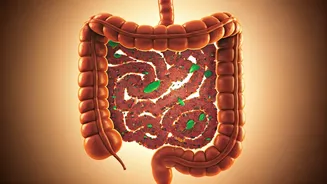
which recognizes the digestive system as the foundation of overall wellbeing. [19] In India, where digestive issues are surprisingly common, this conversation is particularly relevant. [12, 21] The trend, sometimes dubbed “fibremaxxing,” encourages a return to traditional staples and plant diversity to support our inner ecosystem. [18] But what makes this nutrient so special?
The Unsung Hero of Nutrition
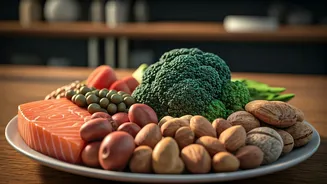
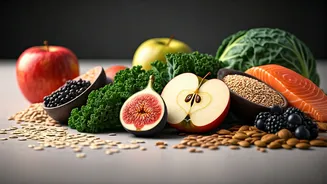
Dietary fibre is a type of carbohydrate found in plants that our bodies can't digest. [20] It comes in two forms: soluble and insoluble, and both are vital for health. Soluble fibre, found in oats, beans, apples, and carrots, dissolves in water to form a gel-like substance. [2, 8] This slows digestion, which helps control blood sugar spikes and can lower bad (LDL) cholesterol levels. [4, 8, 15] Insoluble fibre, present in whole grains, nuts, and vegetables like cauliflower, doesn’t dissolve. [8] Instead, it adds bulk to stool, promoting regularity and preventing constipation. [5, 17] Together, they are essential for maintaining a healthy gut, managing weight, and reducing the risk of chronic diseases like heart disease and diabetes. [4, 10, 17]
The Desi Diet Advantage
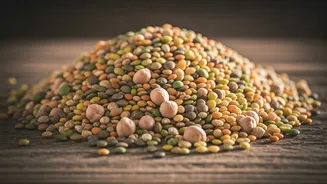
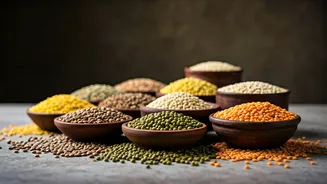
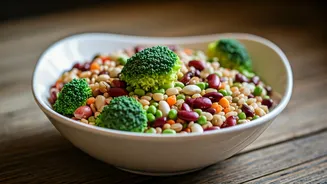
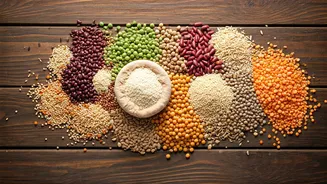
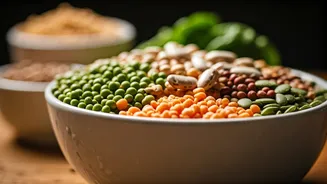
Here’s the best part: you don’t need to look far to find excellent sources of fibre. The traditional Indian thali is practically a masterclass in fibre-rich eating. Our everyday meals are loaded with it. Think of whole grains like jowar, bajra, and ragi, which are used to make rotis and bhakris. [6, 13] Legumes and pulses, the heart of any dal or curry, are packed with both fibre and protein. [14, 17] From rajma and chana to masoor and moong dal, these are staples for a reason. [6, 17] Even common vegetables like bhindi (okra), spinach (palak), and fruits such as guavas and bananas are fantastic sources. [6, 13]
It's All Connected: Beyond Digestion
The benefits of a high-fibre diet go far beyond just keeping you regular. By feeding the good bacteria in your gut, fibre plays a crucial role in strengthening your immune system. [4, 20] These gut microbes break down fibre to produce short-chain fatty acids, which nourish the colon wall and have anti-inflammatory effects. [10, 11] A healthy gut has been linked to improved mental health, reduced risk of certain cancers, and better weight management because fibre-rich foods help you feel fuller for longer. [10, 11, 24] It’s a holistic approach to health that has been embedded in Indian food wisdom for centuries.
Simple Swaps for a Fibre Boost
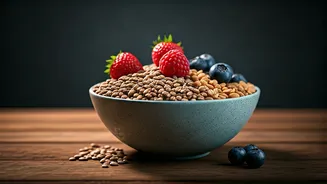
While many traditional Indian diets are naturally high in fibre, modern lifestyles and the increasing consumption of processed foods mean many of us aren't getting enough. [20] The good news is that small changes can make a big difference. Swap white rice for brown rice or millets. [17] Choose whole wheat atta for your rotis. [14] Start your day with a bowl of oats or a moong dal chilla instead of a processed breakfast. [16] Snack on a handful of roasted chana, nuts, or a piece of fruit with its skin on. [6, 14] And don’t forget to drink plenty of water, which helps fibre do its job effectively. [21]