






The Age of the Tick-Box Tour
For decades, the ultimate sign of a 'successful' holiday was the number of sights seen and photos taken. This was the era of checklist travel: a frantic mission to visit every famous monument, museum, and viewpoint a destination had to offer, often in a dizzyingly
short amount of time. The goal was to collect experiences like trophies—the Eiffel Tower, the Taj Mahal, the Colosseum—all ticked off a list. The appeal was obvious: it was efficient, offered clear bragging rights, and created a photo album that looked like a world history textbook. It was about proving you had 'been there'.
From Burnout to a Search for Authenticity
Recently, however, a collective travel fatigue has set in. Travellers are realising that racing from one crowded tourist trap to another can be exhausting and, ultimately, unfulfilling. The very popularity of these sites has led to overtourism, long queues, and a sense of being processed rather than welcomed. This model is increasingly seen as a superficial way to travel, prioritising the 'seeing' over the 'experiencing'. The question has shifted from “What did you see?” to “What did you feel?”. Travellers are now actively seeking authenticity and a genuine connection to the places they visit, something a selfie stick in a crowd rarely provides.
The Rise of Slow and Experiential Travel
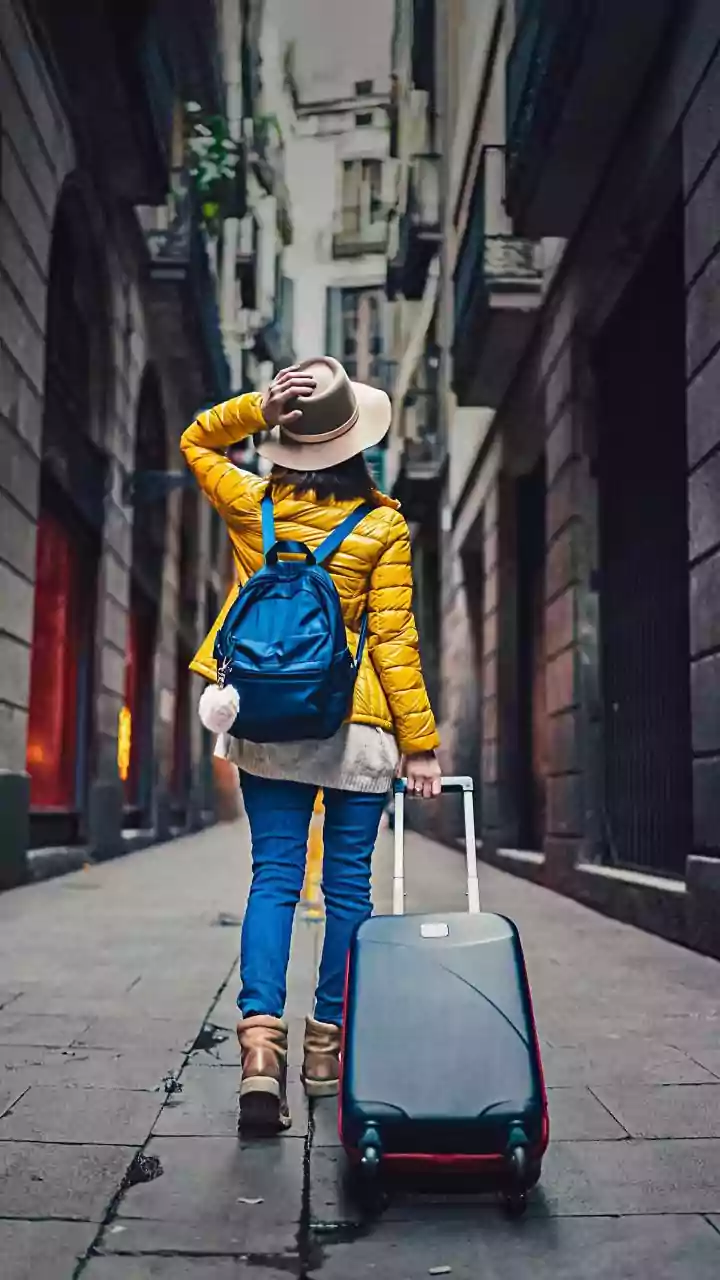
In place of the checklist is a new ethos: slow travel. Emerging from the 'slow food' movement, this approach isn’t about travelling at a snail's pace, but about travelling with intention. It means spending more time in fewer places, allowing for a deeper immersion into the local culture. Instead of a highlights reel, slow travellers seek to understand the rhythm of daily life. This philosophy is part of a broader trend towards experiential travel, where the focus is on participation rather than observation. It’s about creating memories through personal engagement, whether that's learning a new skill, trying local foods at their source, or simply wandering without a rigid itinerary.
From Monuments to Meaningful Moments
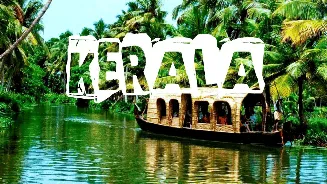
What does this look like in practice? It's choosing a week-long stay in a single Tuscan village to learn pasta-making from a local nonna, instead of rushing through Rome, Florence, and Venice. It’s opting for a homestay in a quiet corner of Kerala to understand local traditions, rather than just snapping a photo of the backwaters. According to recent travel reports, modern travellers, especially younger generations, are prioritising unique, hands-on activities that create lasting memories and even teach them new skills. The new travel currency isn't the number of passport stamps, but the quality of the stories you bring back and the personal growth you undergo.
The New Definition of a 'Good Trip'
The desire for unique experiences is fundamentally changing how people plan and value their holidays. Travel choices are now increasingly driven by the activities and cultural immersion offered, not just the destination itself. People are seeking out lesser-known locales to avoid crowds and find more authentic connections. This shift represents a move away from travel as consumption—collecting sights—to travel as connection and transformation. The ultimate 'cool factor' in travel is no longer about where you went, but how deeply you engaged while you were there.