
1. A Tectonic Collision Course
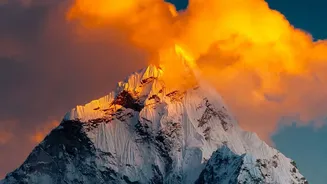
Nepal is situated directly on the boundary where the Indian tectonic plate pushes relentlessly northwards under the Eurasian plate at a rate of about 2 centimetres per year. This constant, immense pressure builds up geological strain that is released
in the form of powerful and recurring earthquakes, making the nation one of the most seismically active regions on Earth.
2. Steep, Rugged Topography
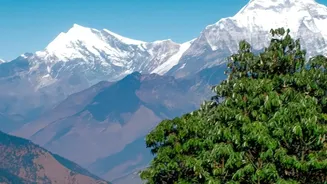
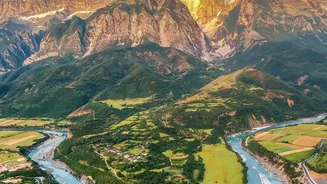
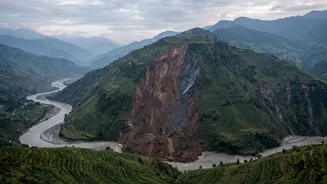
The country’s terrain is characterized by some of the most dramatic elevation changes in the world, dropping from the highest Himalayan peaks to the flat Terai plains over a very short distance. This extreme steepness means that when soil and rock are disturbed—by rain or tremors—they can travel downhill at terrifying speeds, triggering catastrophic landslides and flash floods.
3. Geologically Young and Fragile Mountains
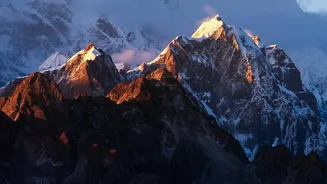
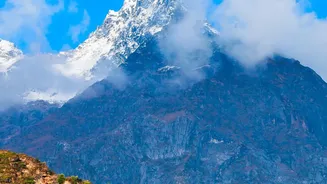
The Himalayas are, in geological terms, a young mountain range. Their rocks and soil are not as compacted or stable as those of older ranges. This inherent fragility means the slopes are highly susceptible to erosion and mass movements, a factor that contributes significantly to frequent and deadly landslides, especially when combined with other triggers.
4. Intense Monsoon Rains
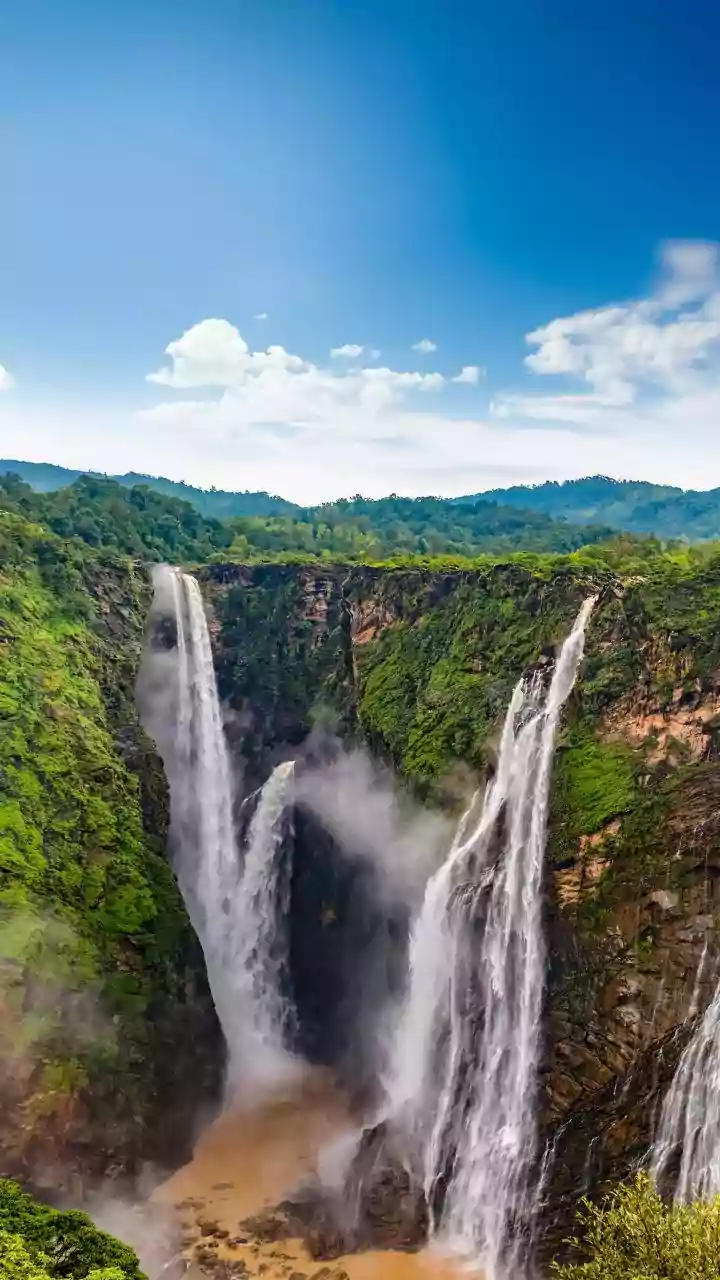
For roughly four months every year, from June to September, the monsoon drenches Nepal, delivering about 80% of its total annual rainfall. This concentrated downpour saturates the fragile, steep slopes, dramatically increasing the likelihood of landslides. It also swells the nation's many rivers, leading to widespread and destructive flooding in the valleys and plains.
5. A Network of Powerful Rivers
Nepal is crisscrossed by more than 6,000 rivers and streams, many of which originate from glaciers in the high Himalayas. These snow-fed rivers, such as the Koshi and Narayani, are powerful and carry massive volumes of water and sediment. During the monsoon or a glacial melt event, their flow can become a destructive force, carving away at riverbanks and inundating vast areas downstream.
6. The Threat of Glacial Lake Outbursts
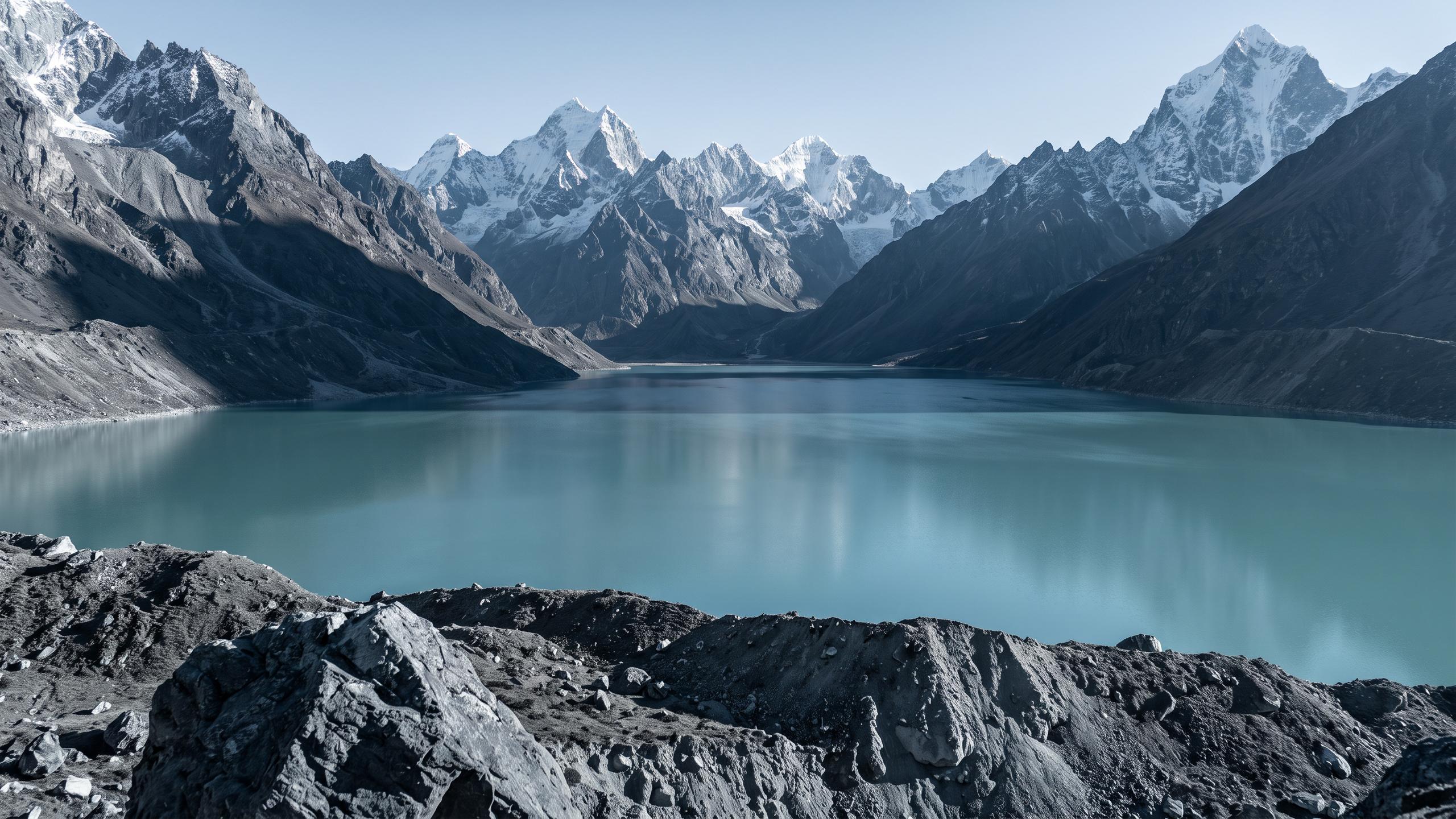
As global temperatures rise, Himalayan glaciers are melting at an accelerated rate, forming large, unstable lakes dammed only by loose rock and ice, known as moraines. These moraine dams can fail without warning, releasing a sudden and catastrophic wall of water, ice, and debris downstream. These events, known as Glacial Lake Outburst Floods (GLOFs), have become an increasing threat, destroying villages and infrastructure.
7. The Human Factor: Land Use and Deforestation
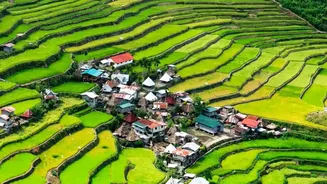
Natural vulnerability is often made worse by human activities. Unplanned urbanization, the construction of roads on unstable slopes, and deforestation all contribute to increased disaster risk. Removing forest cover weakens the soil's ability to hold together and absorb water, making slopes more prone to sliding during heavy rains. Building in high-risk areas like floodplains further exposes communities to danger.
8. Living in a Seismic Gap
While the idea is debated, some parts of Nepal, particularly in the west, have been identified by seismologists as a 'seismic gap'. This refers to a locked segment of a fault that has not experienced a major earthquake in a long time—in this case, since a massive event in 1505. While some research suggests quake timing is random, the accumulated strain in such a gap could potentially be released in a single, very large earthquake.
9. Rivers That Build Their Own Cages
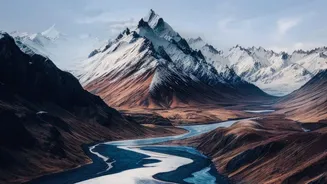
Himalayan rivers carry enormous amounts of sediment. As they flow into the flatter plains, they deposit this silt, sand, and gravel, causing the riverbeds to gradually rise over time. This process, known as aggradation, elevates the river channel above the surrounding floodplain. As a result, when the river breaches its natural levees, the floodwaters spread further and cause more extensive damage.
10. Climate Change as a Threat Multiplier
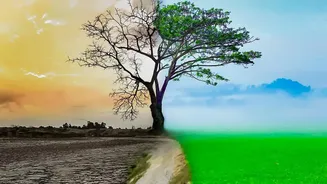
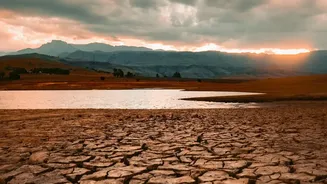
Climate change is intensifying many of Nepal's existing vulnerabilities. It is accelerating glacier melt, increasing the risk of GLOFs. It is also making rainfall patterns more erratic and extreme, leading to both more intense downpours that trigger landslides and longer periods of drought. This makes Nepal one of the world's most vulnerable countries to the impacts of climate change.