






Why Gentle Sectioning is Non-Negotiable
Before you even think about twisting, it's crucial to understand why your parting technique matters so much. Aggressive sectioning—pulling, snagging, and creating excessive tension—is a direct route to hair breakage and scalp stress. Gentle parting, on the
other hand, sets the stage for a healthier styling experience. It minimises strain on your follicles, especially around delicate areas like your edges, and helps prevent the kind of damage that can undermine your hair growth goals. A good twist style should protect your hair, not harm it, and that protection begins with a gentle hand and a clean part.
Prep Your Hair for Success
Never attempt to section dry, tangled hair. The foundation of a great twist style is well-prepared hair. Start with a clean, conditioned, and thoroughly detangled base. It’s best to work with hair that is damp, but not soaking wet, as this provides the right balance of elasticity and control. Apply a leave-in conditioner or moisturiser to ensure your strands are pliable. Some stylists also recommend gently stretching your hair with a low-heat blow-dryer or heatless methods to reduce shrinkage and make parting even easier.
Gather the Right Tools for the Job
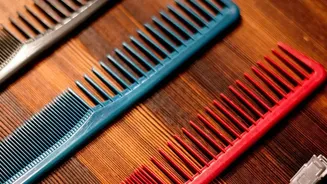
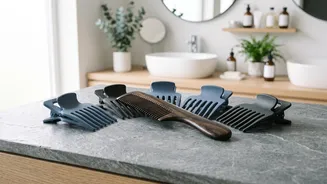
Having the right tools is essential for creating clean, crisp parts without causing damage. Your primary tool will be a rat-tail comb, preferably one with a smooth metal tail, which glides through the hair more easily than plastic. You will also need a set of clips, like croc clips, to hold the hair you're not working on securely out of the way. This prevents you from having to re-part sections that get mixed up. Finger-parting is also a great gentle option, especially for those with very sensitive scalps. To maintain control and reduce frizz, have a styling cream or a light gel on hand.
Mastering the Parting Technique
For a controlled process, start by dividing your hair into four large, manageable quadrants: two in the front and two in the back. Clip each one up. Begin at the nape of your neck, taking down your first large section. From there, use the tail of your comb to create your first horizontal row. The size of your sections will determine the final look of your twists—smaller sections for defined mini-twists, and larger ones for a chunkier style. Apply a bit of styling product along the part line for a sleek finish. Create one part at a time, twist that section, and then move on to the next. This methodical approach ensures neatness and consistency.
Achieving Symmetry and Consistency
For a polished, everyday look, consistency is key. Try to make your sections as uniform in size as possible. A popular technique for ensuring a full look without awkward gaps is the 'brick-laying' pattern. This means staggering the parts so that a twist on one row falls in the middle of the two twists below it, much like bricks in a wall. This helps the twists lay better and creates a fuller appearance. Using mirrors—one in front and one behind—can be incredibly helpful for seeing the back of your head and ensuring your parts are straight and even.
Securing Sections and Twisting with Care
As you part each new section of hair, immediately secure the remaining hair with a clip. This keeps your workspace tidy and prevents tangles. When you’re ready to twist, divide the small section into two equal strands. To start, some people find it helpful to braid the first half-inch at the root before transitioning into a twist for extra security. As you twist one strand over the other, maintain a gentle, consistent tension all the way down to the ends. Avoid twisting too tightly at the root, which can cause pain and damage. Seal the ends with a small amount of product to prevent them from unravelling.