

Focus on Reflections
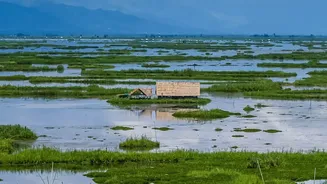
Wet streets, fresh puddles, and placid lakes become perfect natural mirrors during the monsoon. Instead of looking up, look down. A puddle can capture the reflection of a historic building, the chaos of a city street, or the dramatic, cloud-filled sky,
adding a surreal, painterly quality to your images. For the best shots, get low to the ground to maximize the reflection and create a strong sense of symmetry. This technique works especially well in cities, where wet roads reflect streetlights and neon signs, creating vibrant, abstract patterns after dark.
Capture Dramatic Skies
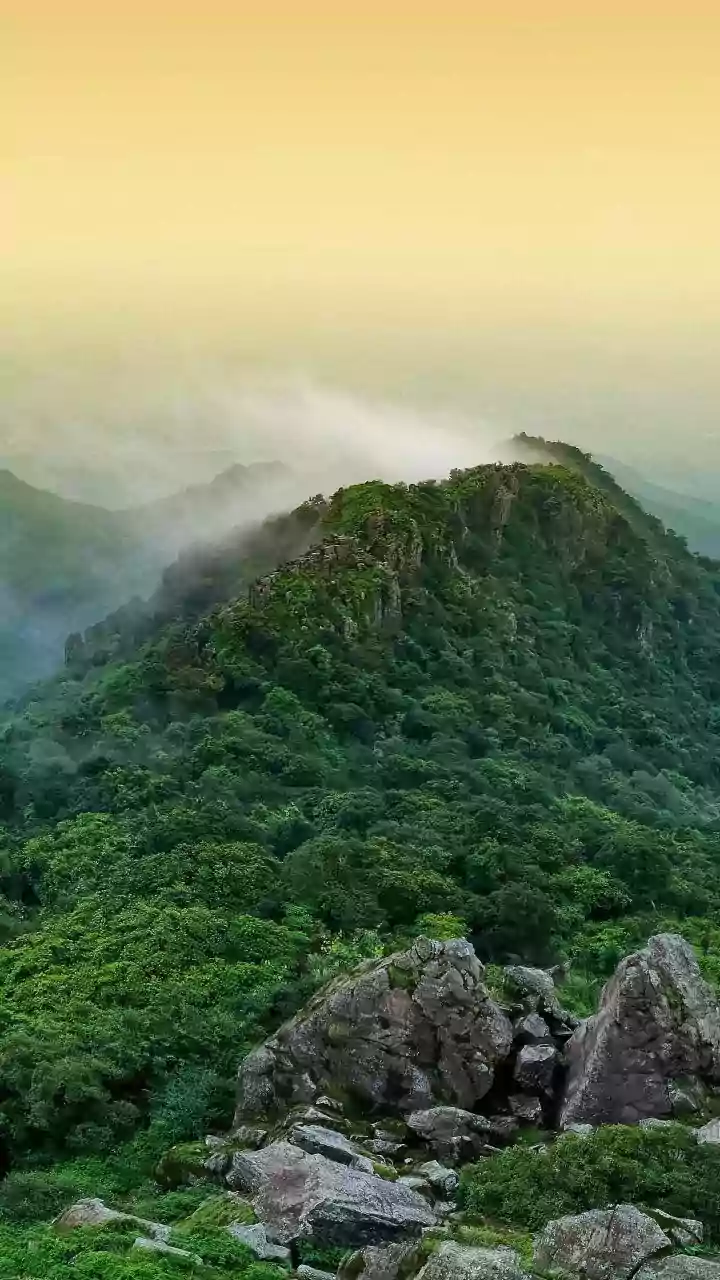
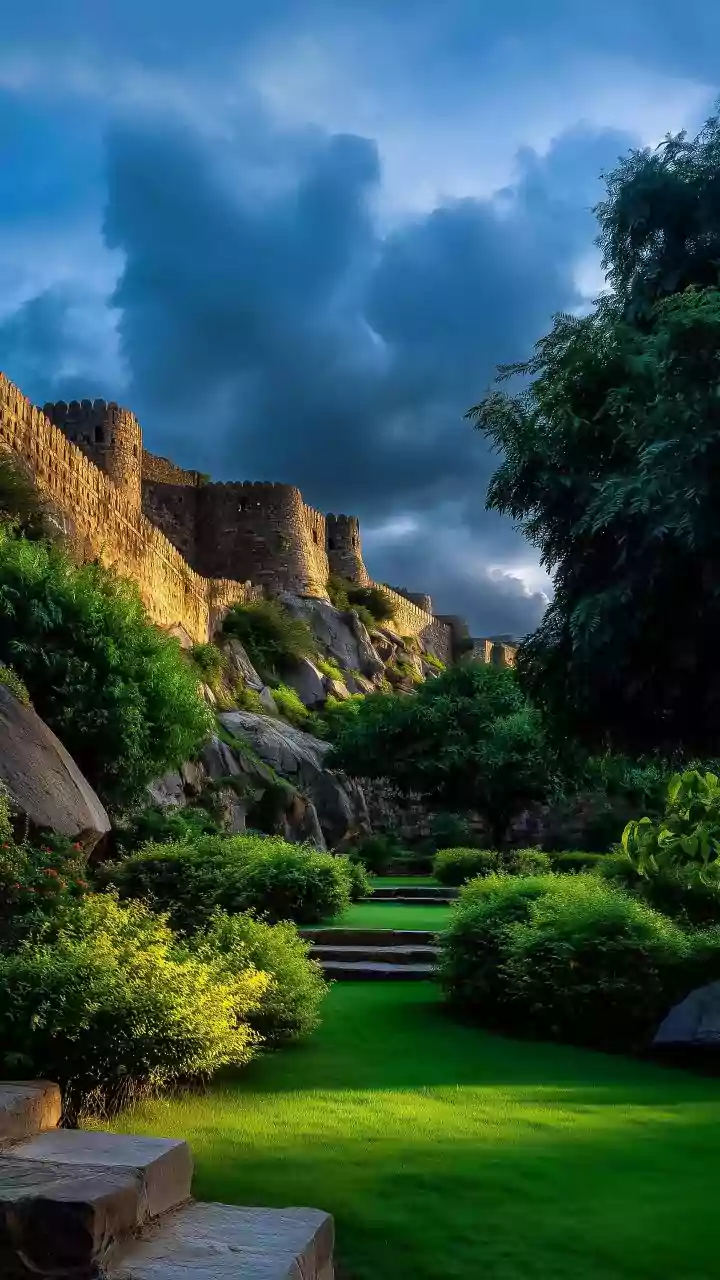
Monsoon skies are rarely boring. The constant churn of dark, heavy clouds creates a sense of drama and mood that you won’t find in other seasons. Use a wide-angle lens to emphasize the scale of the sky over a landscape. Look for moments when the sun breaks through the clouds, creating incredible rays of light. Hill stations like Shillong or Mahabaleshwar are famous for their misty, cloud-covered landscapes, where the fog rolls in and transforms the scene completely. These conditions provide soft, diffused light, which is excellent for eliminating harsh shadows in both landscape and portrait photography.
Embrace Macro Details
The beauty of the monsoon is also in the small details. Look for raindrops clinging to flower petals, leaves, or spiderwebs. These tiny scenes can make for powerful photographs. If you don't have a dedicated macro lens, many smartphones have a macro mode that works surprisingly well. The key is to get close and focus on the intricate patterns and reflections within each droplet. This is a perfect activity for a rainy afternoon when you might not want to venture too far but still want to be creative.
Photograph Life in the Rain
Rain changes the rhythm of daily life, and capturing this offers a wonderful storytelling opportunity. Look for people huddling under awnings, children joyfully splashing in puddles, or streets filled with a sea of colourful umbrellas. These candid moments tell a story about the season and the people in it. A colourful umbrella can provide a fantastic pop of colour against a grey, overcast backdrop. Capturing these human elements can add emotion and a narrative layer to your travel photography.
Showcase Lush Green Landscapes
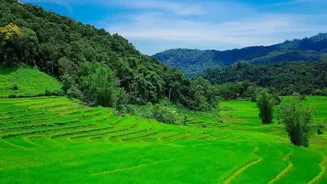
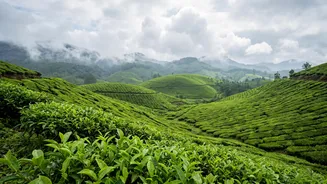
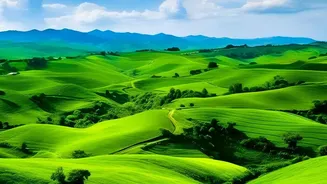
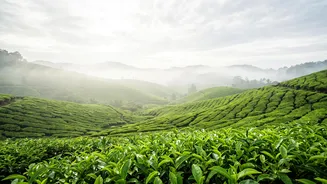
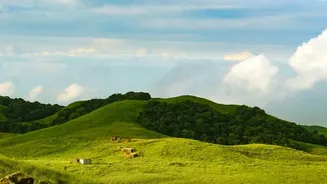
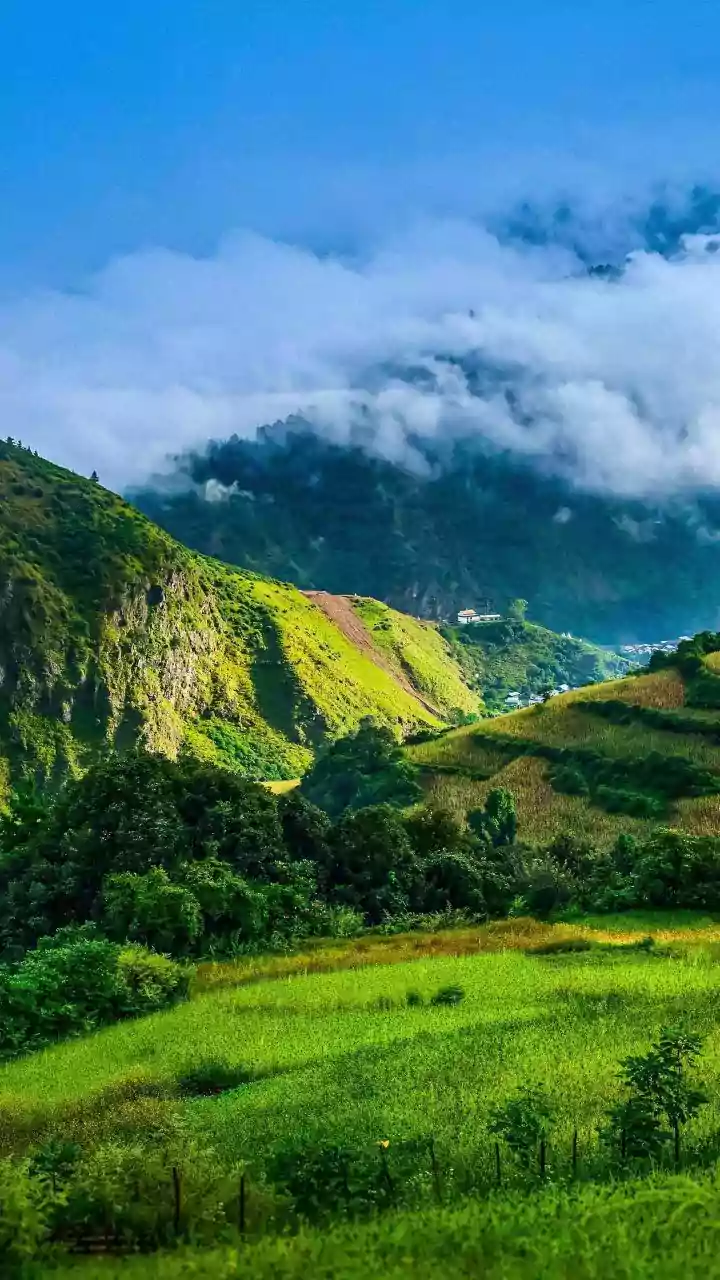
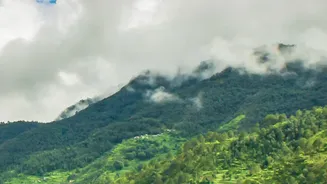
The term "green season" is no exaggeration. The monsoon saturates the landscape, turning forests, tea gardens, and rolling hills a deep, vibrant green. Destinations in the Western Ghats, like Munnar or Coorg, are prime examples. The overcast sky acts like a giant softbox, which helps to deepen these colours and reduce glare. To make the most of it, look for viewpoints that showcase the layers of misty hills and verdant valleys. A polarizing filter can also help cut through the haze and make the greens even more intense.
Shoot the Waterfalls
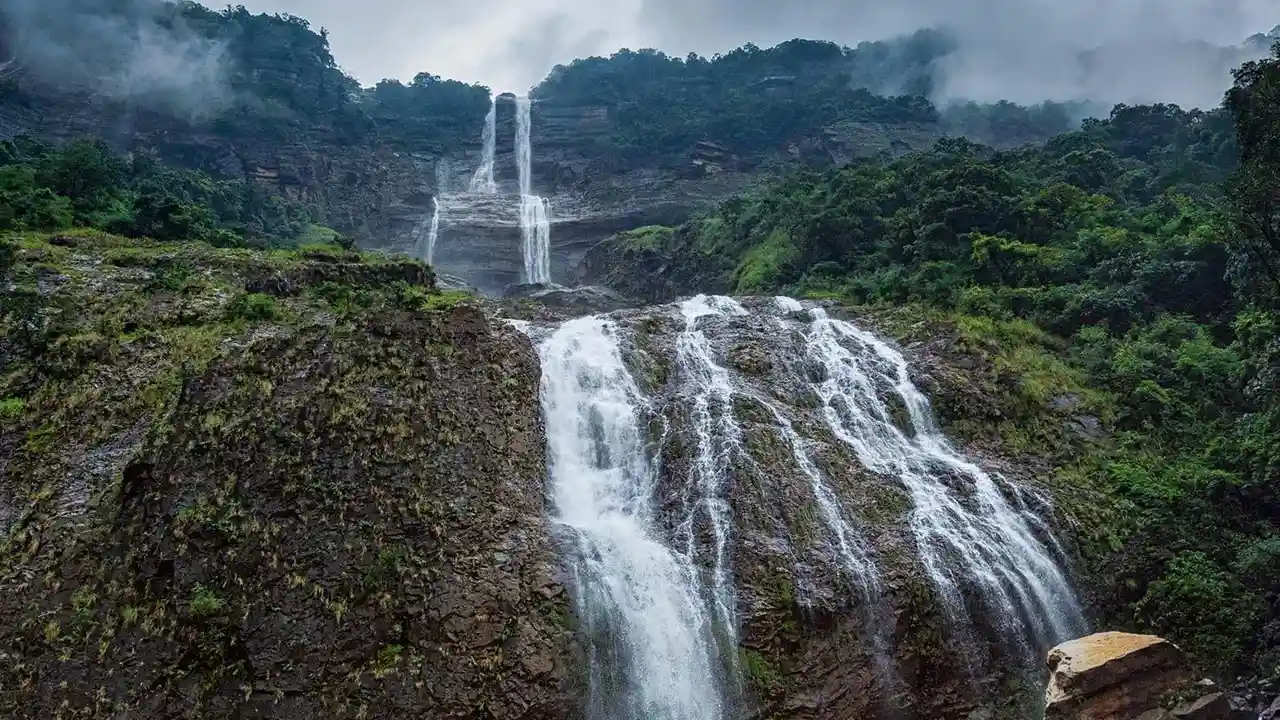
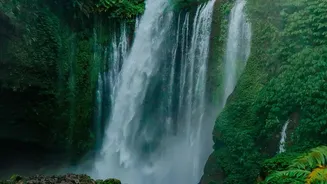
Waterfalls that are a mere trickle in the dry season become roaring spectacles during the monsoon. Locations like Lonavala in Maharashtra or the many falls around Shillong in Meghalaya come alive with power and energy. To capture the silky, smooth flow of water, use a tripod and a slow shutter speed. This will blur the motion of the water and create a dreamy effect. Conversely, a fast shutter speed will freeze the motion, showing the power and splash of every droplet. Be extremely cautious around slippery rocks near waterfalls.
A Note on Protecting Your Gear
While embracing the rain is key, protecting your equipment is crucial. High-end cameras may have some weather sealing, but they are not fully waterproof. A simple, inexpensive rain cover is a worthwhile investment. In a pinch, a plastic bag secured with a rubber band around the lens can work as a makeshift solution. Always keep a dry lens cloth handy to wipe away droplets. It’s also wise to avoid changing lenses in a downpour; find a sheltered spot to do so. Your safety is also paramount, so be mindful of slippery surfaces and avoid shooting during thunderstorms.