

The August Advantage: Why Visit?
Many travellers avoid Ladakh in August, fearing the monsoon. This makes it an ideal time for those seeking fewer crowds at popular spots like Pangong Tso and Nubra Valley. Because Ladakh sits in a rain-shadow region, it receives minimal rainfall, while
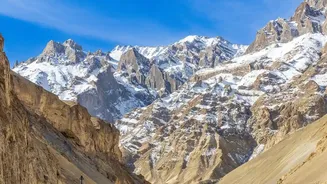
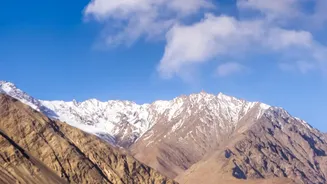
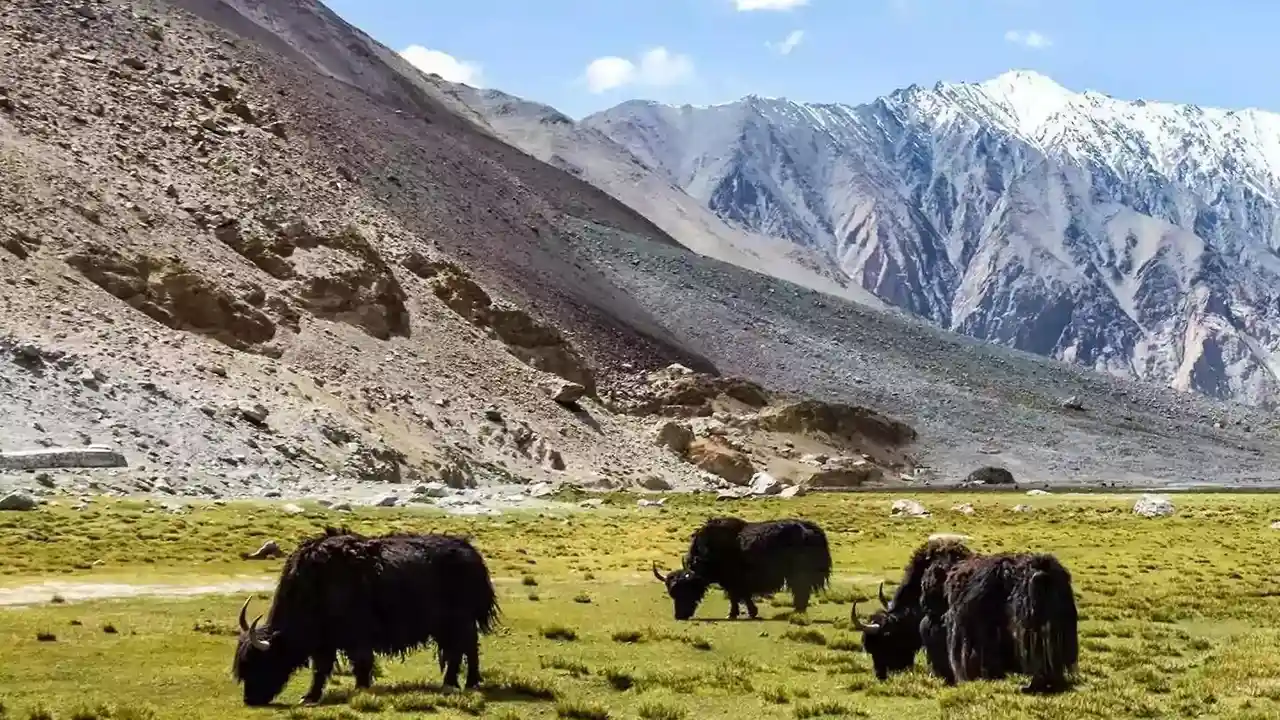
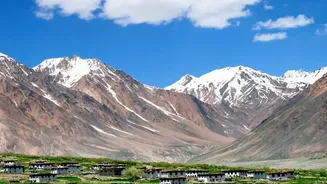
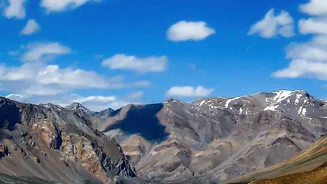
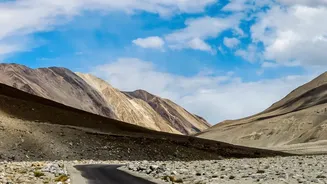
the surrounding areas get washed by the monsoon, turning valleys like Suru and parts of the Srinagar-Leh highway surprisingly green. This creates a stunning contrast between the lush lower altitudes and the stark, beautiful desert landscape higher up. Daytime temperatures are pleasant, typically ranging from 15°C to 25°C, making it comfortable for sightseeing. Additionally, several local festivals, such as the Takthok and Korzok Gustor, often take place in August, offering a rich cultural experience.
Navigating the Journey: Roads and Risks
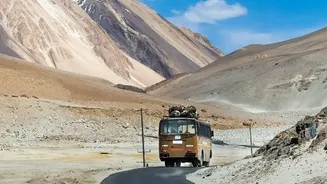
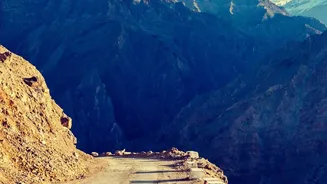
Reaching Ladakh by road in August is an adventure in itself. Both the Manali-Leh and Srinagar-Leh highways are open, but they are susceptible to challenges. The sections of these highways outside the Ladakhi rain shadow are prone to heavy rains, which can cause landslides, mudslides, and overflowing water crossings. The Manali-Leh highway can be particularly tricky around areas like the Baralacha La pass, while the Srinagar-Leh route can face disruptions near Zoji La Pass. The Border Roads Organisation (BRO) works diligently to clear blockages, but delays are possible. It is crucial to build buffer days into your itinerary and check road status updates daily before starting your journey. For a less uncertain journey, flying into Leh is the most convenient option.
Packing for Predictable Unpredictability
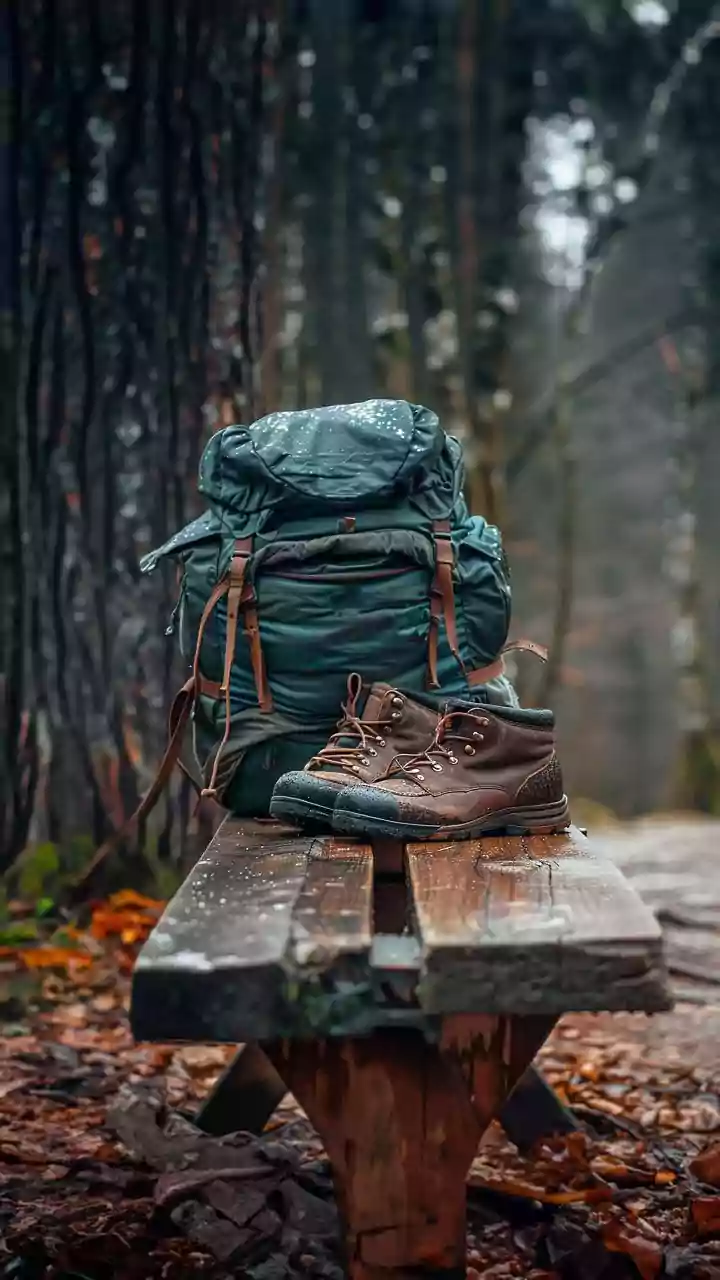
Packing for Ladakh in August requires preparing for four seasons in a day. While daytime can be warm and sunny, temperatures drop significantly after sunset. Layering is key. Your packing list should include lightweight woollens, thermal wear, and a fleece jacket. A waterproof and windproof outer jacket is non-negotiable, especially for handling sudden showers or windy conditions on high passes. Given the intense high-altitude sun, sunscreen, sunglasses, and a wide-brimmed hat are essential. Sturdy, waterproof shoes are also a must, both for sightseeing and for navigating potentially muddy patches or water crossings. Don't forget to carry basic medications and a first-aid kit, as pharmacies in remote areas are few and far between.
Must-See Sights and Essential Activities
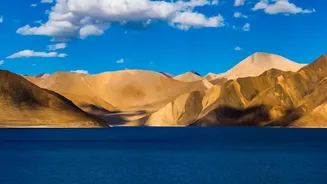
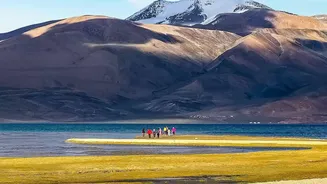
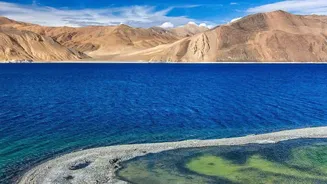
With all internal roads open, August is a fantastic time for exploration within Ladakh. The famous Pangong Tso and Tso Moriri lakes are accessible and look particularly stunning against cloudy monsoon skies, which create dramatic reflections. Nubra Valley, reached via the famed Khardung La pass, is often greener and more vibrant during this time. Adventure activities like river rafting in the Zanskar River are in full swing. It's also a great month for trekking. Beyond the headline attractions, take time to explore Leh's local market, visit ancient monasteries like Thiksey, Hemis, and Diskit, and savour local cuisine at a family-run café.
Health and Acclimatisation Above All
The single most important factor for a successful Ladakh trip is proper acclimatisation to the high altitude. Leh itself is at an altitude of over 11,000 feet. Regardless of whether you fly in or drive, your body needs time to adjust to the lower oxygen levels. The cardinal rule is to rest completely for the first 24-48 hours upon arrival in Leh. Avoid strenuous activity and heavy meals. Drink plenty of water to stay hydrated. Symptoms of Acute Mountain Sickness (AMS) include headaches, dizziness, and nausea. If symptoms persist or worsen, it's crucial to descend to a lower altitude. Plan your itinerary to ascend gradually, saving visits to higher passes and lakes for later in your trip.