

What is a Strong El Niño?
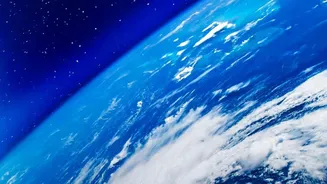
El Niño is a naturally occurring climate pattern characterized by the warming of ocean surface temperatures in the central and eastern tropical Pacific Ocean. Occurring every two to seven years, it disrupts normal weather patterns globally. During a typical
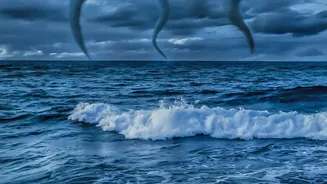
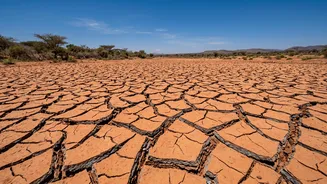
year, trade winds push warm water towards Asia, but during an El Niño, these winds weaken, causing warm water to build up and shift eastward. This triggers changes in atmospheric circulation, leading to altered rainfall and temperature patterns worldwide. An event is classified as 'strong' or even a 'Super El Niño' when ocean temperatures rise significantly above average, leading to more intense and widespread weather disruptions, such as severe droughts, extreme heat, and heavy flooding. The World Health Organization (WHO) has noted that the 2026-27 event is forecast to be particularly powerful, amplifying health risks globally.
The Rise of Mosquito-Borne Diseases
One of the most immediate concerns for India is a potential surge in vector-borne diseases like dengue, malaria, and chikungunya. The WHO has already placed India on a 'high to very high' risk status due to the intensifying El Niño. Warmer temperatures and altered rainfall patterns create ideal breeding conditions for mosquitoes. Higher temperatures accelerate mosquito metabolism and shorten the incubation period for viruses they carry, speeding up transmission. Furthermore, erratic rainfall can lead to both flooding and drought. Floods create new stagnant water bodies, while droughts may force households to store water in open containers, both of which become breeding grounds for mosquitoes. In response, health authorities are ramping up surveillance and calling for community actions like observing a weekly 'Dry Day' to eliminate standing water.
Water Contamination and Scarcity
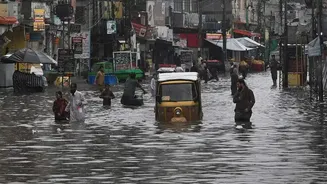
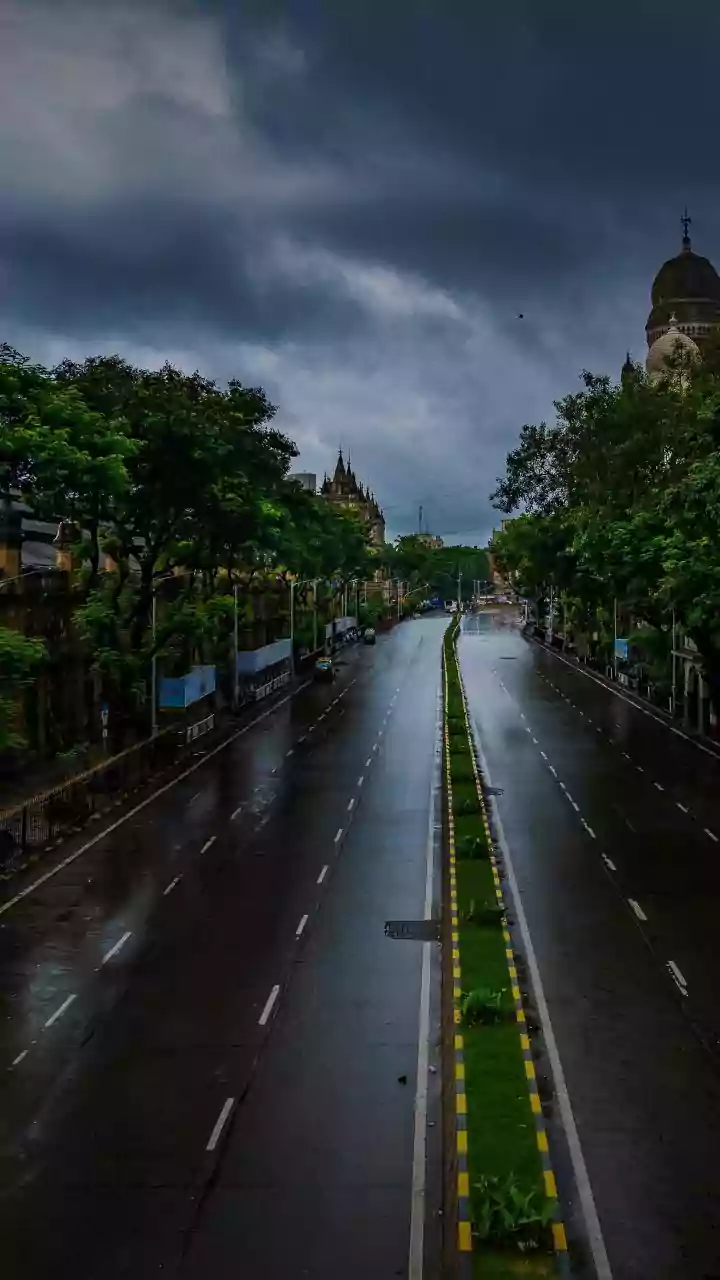
El Niño's impact on rainfall presents a dual threat to water safety. Heavy flooding can overwhelm sanitation systems and contaminate drinking water sources, increasing the risk of water-borne diseases like cholera, typhoid, and hepatitis A. Conversely, drought conditions can lead to acute water shortages. This not only forces communities to rely on potentially unsafe water sources but also impacts hygiene practices, further elevating the risk of gastrointestinal infections. These conditions create significant pressure on public health infrastructure, particularly in regions with pre-existing water and sanitation challenges.
Extreme Heat and Respiratory Ailments
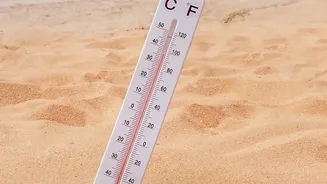
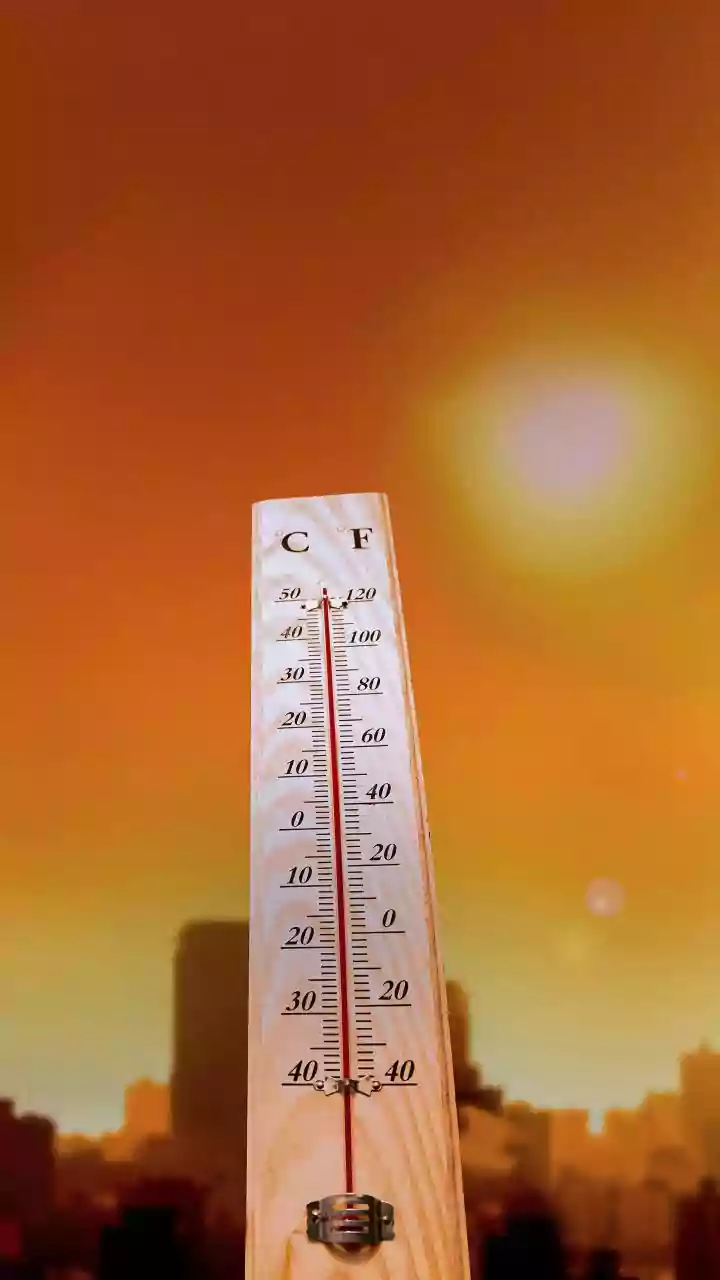
Strong El Niño events are often associated with higher-than-average temperatures and severe heatwaves across India. The World Meteorological Organization has warned that the current El Niño acts as a 'risk multiplier' for heat-related illnesses. Prolonged exposure to extreme heat can cause dehydration, heat exhaustion, and life-threatening heatstroke, especially among vulnerable populations like the elderly, children, and outdoor workers. This thermal stress also exacerbates chronic conditions such as cardiovascular disease, kidney disorders, and respiratory illnesses. Additionally, dry conditions associated with El Niño can lead to wildfires and dust storms, which degrade air quality and worsen respiratory problems.
Threats to Food Security and Nutrition
The disruptions in weather patterns have a direct impact on agriculture, posing a significant threat to food security. Delayed monsoons or prolonged droughts can lead to crop failures, reduced yields, and subsequent food shortages. This can drive up food prices, making it difficult for vulnerable households to access adequate nutrition. The World Health Organization identifies malnutrition as a very high risk during El Niño-related droughts and floods. Malnourished individuals, especially pregnant women and children, have weakened immune systems and are more susceptible to other diseases, creating a vicious cycle of poor health.