



The Rise of 'Tech Neck'
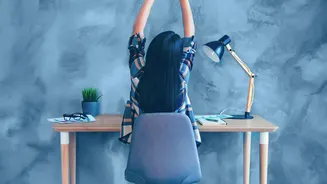
Constantly looking down at a screen pulls your entire spine out of its natural alignment. For every inch your head moves forward, it adds extra pounds of force on the muscles supporting your neck and upper back. This sustained strain leads to inflammation,
soreness, rounded shoulders, and a nagging ache in the lower back. Over time, this poor posture can even reduce lung capacity and affect digestion. The good news is that targeted yoga poses can counteract these effects by strengthening key muscles, improving spinal flexibility, and promoting better posture. By incorporating a few simple asanas into your routine, you can begin to undo the damage and build a more resilient back.
Marjaryasana-Bitilasana (Cat-Cow Pose)
This gentle, flowing movement is one of the best ways to warm up the spine and relieve tension. Start on your hands and knees in a tabletop position, with your wrists directly under your shoulders and your knees under your hips. As you inhale (Cow Pose), drop your belly towards the mat, lift your chest and tailbone, and look forward. As you exhale (Cat Pose), round your spine toward the ceiling, tucking your chin to your chest and pressing the mat away. The synchronized breath and movement boost circulation and bring flexibility to the entire vertebral column, making it a perfect antidote to stiffness from prolonged sitting.
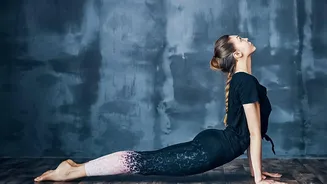
Bhujangasana (Cobra Pose)
Cobra Pose is a foundational backbend that specifically targets the muscles of the spine, helping to strengthen the back and improve posture. Lie on your stomach with your forehead on the mat, legs extended, and the tops of your feet pressing down. Place your palms on the mat under your shoulders. On an inhalation, gently lift your head, chest, and shoulders off the floor, using your back muscles to initiate the lift. Keep a slight bend in your elbows and draw your shoulders down and away from your ears. This pose opens the chest, which counteracts the rounding of the shoulders, and strengthens the spine to combat the effects of slouching.
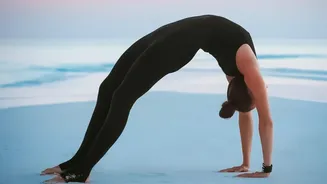
Setu Bandhasana (Bridge Pose)
Bridge Pose is excellent for strengthening your back, glutes, and hamstrings, all of which support good posture. Lie on your back with your knees bent, feet flat on the floor hip-width apart, and close enough that you can just touch your heels with your fingertips. On an exhalation, press through your feet and arms to lift your hips off the floor. Interlace your fingers underneath your back and press your arms into the mat to help lift your chest toward your chin. This pose stretches the chest and neck while building strength in the back body, providing relief from both neck and back strain.
Gomukhasana (Cow Face Pose) Arms
While the full pose involves the legs, focusing on just the arm position is a fantastic way to open up tight shoulders, a common side effect of phone slouching. Seated comfortably, reach your right arm straight up, then bend the elbow so your right hand is behind your neck. Reach your left arm behind your back, bending the elbow to bring the back of your left hand against your spine. If you can, clasp the fingers of both hands. If not, hold onto a strap or towel. This deep stretch targets the shoulders, triceps, and chest, directly countering the hunched-forward posture we adopt while using devices.
Balasana (Child's Pose)
Child's Pose is a restorative posture that provides a gentle stretch for the entire back body, from the neck down to the lower back. Kneel on the floor, touch your big toes together, and sit on your heels. Then, separate your knees about as wide as your hips. Exhale and lay your torso down between your thighs. You can stretch your arms forward or rest them alongside your body with the palms facing up. This pose gently relieves tension in the back and shoulders, calms the mind, and encourages mindful relaxation. It’s an ideal pose to end your practice, allowing your body to integrate the benefits of the other asanas.