


A Marriage of Style and Sustainability
At its heart, the popularity of upcycled bottle lighting stems from a powerful combination of aesthetic appeal and ethical satisfaction. Today's Indian consumer is more environmentally aware than ever. There's a growing desire for homes that are not just
beautiful but also responsible. Upcycling, the process of turning waste materials into new products of higher value, fits this mindset perfectly. Unlike recycling, which often requires significant energy, upcycling creatively reuses items, reducing landfill waste and the demand for new resources. Choosing a lamp made from a discarded wine or spirit bottle feels good; it’s a small act of environmental stewardship that also adds a distinctive design element to a room.
The Allure of One-of-a-Kind Design
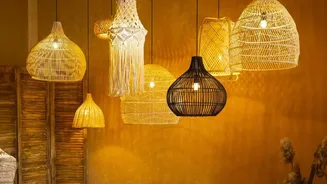
In an era of mass-produced furniture and decor, upcycled bottle lights offer something increasingly rare: uniqueness. Each piece tells a story. Whether it’s a handcrafted lamp from a local artisan or a DIY project, no two are exactly alike. The shape of the bottle, the colour of the glass, and the style of the fitting all contribute to a fixture with a unique personality. This stands in stark contrast to the uniformity of items found in large retail chains. Homeowners are actively seeking decor that reflects their individuality, and these fixtures are conversation starters that carry a narrative of creativity and transformation.
An Answer to Urban Waste
India generates millions of tonnes of waste annually, with a significant portion ending up in landfills. Glass, in particular, is a challenge; while recyclable, a large percentage is not properly processed. Upcycling provides a direct, tangible solution to this problem at a local level. Numerous small businesses and individual artists across the country have built ventures around transforming glass waste into beautiful, functional art. Collectives like Kavi—The Poetry-Art Project in Noida and individuals like Renjini Thampi in Kerala have saved hundreds of thousands of bottles from landfills by turning them into lighting, tableware, and other decor items. This trend supports a circular economy, where waste is seen not as an endpoint but as a raw material.
The Rise of DIY and Maker Culture
The internet and social media have been significant drivers of this trend. Countless tutorials on platforms like YouTube and Instagram provide step-by-step instructions on how to create your own bottle lamps, making it an accessible project for hobbyists. This DIY culture empowers people to take part in the design of their own homes, offering a creative outlet that is both satisfying and budget-friendly. With simple tools and readily available materials like empty bottles and LED fairy lights, anyone can create a personalized light fixture, fostering a deeper connection to their living space.
Supporting Local Artisans and Craftsmanship
The trend is also a boon for local economies. It has created a niche market for skilled artisans who specialize in glass cutting, polishing, and design. Many consumers are consciously choosing to buy from these local makers, valuing the craftsmanship and the story behind the product. This movement away from mass-produced goods towards handcrafted items helps sustain traditional skills while providing livelihoods. By purchasing an upcycled lamp, consumers are not just buying a product; they are supporting an artist and a more sustainable model of commerce.