





Why We Lose Muscle with Fat
When you consume fewer calories than you burn, your body enters a state called a caloric deficit. This is essential for fat loss. However, in this state, your body needs to find energy from somewhere. While it will tap into stored fat, it can also break
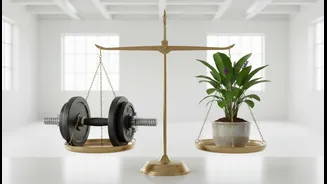
down muscle tissue for fuel, a process known as catabolism. This is especially true if the calorie cut is too aggressive or if your training doesn't signal to your body that your muscle is essential and needs to be kept. The goal, therefore, is not just weight loss, but fat loss with muscle preservation.
The Cornerstone: Prioritise Strength Training
The single most common mistake people make when trying to lose fat is ditching heavy weights for light-weight, high-repetition circuits. The belief is that this will “tone” the muscle, but the reality is that heavy resistance training is the strongest signal you can send your body to preserve muscle. Lifting challenging weights tells your body that your muscle is crucial for survival, forcing it to primarily use fat stores for energy instead. Your focus should be on compound movements like squats, deadlifts, bench presses, and rows, as they engage multiple muscle groups and provide the most significant stimulus. Aim for 3-4 resistance training sessions per week.
Stop Overdoing Cardio
Cardio is a useful tool for burning extra calories, but relying on it exclusively is a recipe for muscle loss. Excessive amounts of cardio, particularly long, steady-state sessions, can increase the risk of muscle breakdown, especially when you're already in a calorie deficit. Instead of spending hours on the treadmill, use cardio strategically. Low-Intensity Steady State (LISS) cardio, like a brisk 30-45 minute walk, is a great option as it burns calories without causing significant fatigue that could interfere with your strength workouts. High-Intensity Interval Training (HIIT) is another effective option, but it should be used sparingly—once or twice a week at most—due to the high recovery demand it places on your body.
Your Training Plan's Best Friend: Protein
While this is about training, we can't ignore nutrition. A solid training plan will only work if your diet supports it, and protein is the hero here. During a fat loss phase, protein intake becomes even more critical. It helps repair the muscle tissue broken down during workouts and provides a strong safeguard against muscle loss. When your body has enough protein available, it is less likely to break down its own muscle for energy. Experts often recommend a daily intake of 1.6 to 2.2 grams of protein per kilogram of body weight to effectively preserve muscle during a cutting phase. Spread this intake throughout the day for the best results.
Don't Underestimate Recovery
Your muscles aren't built in the gym; they're rebuilt during rest. When you're in a calorie deficit, your body's ability to recover is reduced, making sleep and rest days non-negotiable parts of your training plan. Aim for 7-9 hours of quality sleep per night. Inadequate sleep can increase levels of cortisol, a stress hormone that promotes muscle breakdown and fat storage—the exact opposite of what you want. Listen to your body. If you feel exceptionally fatigued or your strength is consistently dropping, it might be a sign you need an extra rest day or a short break from your diet.