


Sedona, Arizona
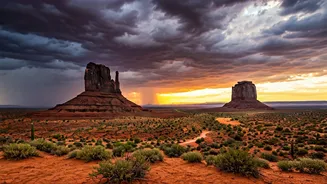
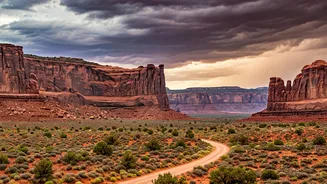
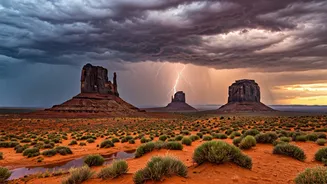
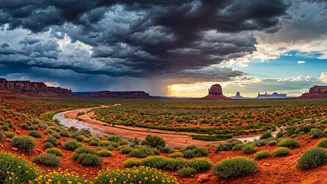
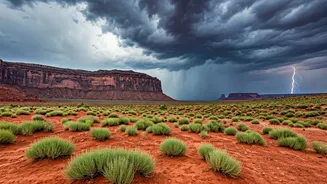
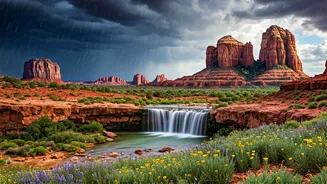
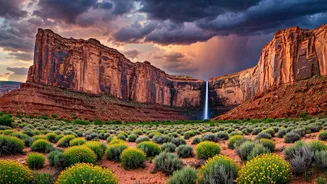
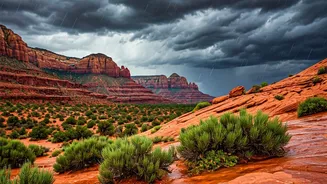
Sedona's iconic red rocks are stunning year-round, but the monsoon season (typically July to mid-September) adds a layer of unparalleled drama. Imagine storm clouds gathering over Cathedral Rock, the scent of rain on hot stone, and the deep, earthy smell
of creosote bushes filling the air. The rain, often arriving in brief but intense afternoon bursts, washes the dust from the landscape, making the reds and greens pop with an almost supernatural vibrancy. A post-storm hike reveals a world transformed: waterfalls cascade down rock faces that are dry for most of the year, and the light that breaks through the clouds at sunset creates a photographer's dream. Instead of the scorching midday heat of early summer, the cloud cover and rain provide welcome relief, making it easier to explore the area's famous vortexes and trails. Just be sure to get your activities in during the morning and be prepared to watch the spectacular light show from a cozy cafe or gallery in the afternoon.
Saguaro National Park, Arizona
There is no better place to witness the desert's response to rain than Saguaro National Park. Home to the nation’s largest cacti, this park near Tucson becomes a different world during the monsoon. The towering saguaros, which can store up to 200 gallons of water, visibly plump up after a good storm. The landscape, typically painted in shades of brown and beige, erupts in a surprising flush of green as grasses and wildflowers seize their moment. The true magic happens at dusk. As a storm cell clears, the sunsets become legendary explosions of pink, orange, and purple, silhouetting thousands of cacti against the sky. It's a primal, powerful scene. The monsoon also brings out wildlife. Gila monsters, desert tortoises, and other creatures are often more active after a cooling rain. For the safest experience, stick to scenic drives like the Bajada Loop Drive when storms are forecast, as trails can wash out quickly.
Santa Fe, New Mexico
Santa Fe's high-desert charm is amplified by the summer monsoon. At 7,000 feet, the city already enjoys cooler summers than its neighbors, and the afternoon rains bring an extra dose of refreshment. The storms are an event in themselves. Locals and visitors alike gather on covered patios and portals to watch the dramatic skies unfold over the Sangre de Cristo Mountains. The rain rarely lasts long, and when it clears, the air is crisp, clean, and filled with the scent of wet adobe and piñon. This is the perfect time to explore the city’s winding streets and historic plaza. The cloud-filtered light is softer, making the city’s famous Pueblo-style architecture even more enchanting. Furthermore, the season coincides with a vibrant cultural calendar, including the Santa Fe Opera season and numerous art markets, making it a time of both natural and creative energy.
Grand Canyon, Arizona
Visiting the Grand Canyon during the monsoon requires patience and a healthy respect for nature, but the rewards are immense. While a clear, sunny day provides a classic view, a monsoon storm offers a dynamic, once-in-a-lifetime spectacle. Watching lightning flash *below* you inside the canyon is an unforgettable experience. The clouds create a constantly shifting play of light and shadow, revealing and concealing different buttes and mesas by the minute. It turns a static, postcard view into a living, breathing performance. A partially clouded canyon feels more mysterious and arguably even more vast. Of course, safety is paramount. Storms can develop rapidly, bringing lightning and flash floods. Heed all ranger warnings, stay away from the rim during a thunderstorm, and avoid hiking into the canyon if storms are in the forecast. But if you can watch the weather roll through from a safe viewpoint at a lodge or visitor center, you will witness the Grand Canyon's power in its most elemental form.