






Prepare Before You Arrive
The secret to a relaxed and rewarding tour begins before you even meet your guide. A small amount of preparation can transform your experience from passive to proactive. Start by doing a little background reading on the main sights listed in the tour itinerary.
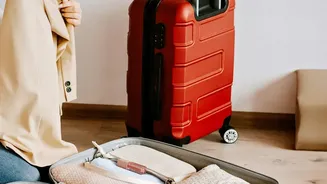
You don’t need to become an expert, but knowing a few key facts or historical details will provide context and help you formulate more interesting questions later. It is also wise to check the weather forecast and plan your attire accordingly; dressing in layers is often a practical choice. Packing light is crucial—a large bag can become a burden and may not even be allowed in some museums or sites. Carry only the essentials: a water bottle, sunscreen, your phone, and perhaps a small notebook. Arriving at the meeting point 10 to 15 minutes early can also make a significant difference, allowing you to start the tour calmly, locate the guide without stress, and perhaps introduce yourself.
Engage Actively During the Tour
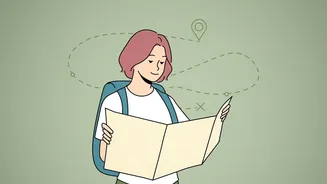
A guided tour is a dialogue, not a lecture. To get the most out of it, you need to participate. Your guide is a walking encyclopedia of local knowledge, so don't hesitate to ask questions. If you have specific interests, mention them to the guide at the beginning. They may be able to tailor their commentary slightly or point out things that are particularly relevant to you. Instead of just snapping photos, try to be present. Take notes on interesting stories or details you want to remember. A great tip is to use your phone's GPS to pin locations of places you'd like to revisit on your own time, whether it’s a charming cafe, a specific museum wing, or a scenic viewpoint. Engaging with fellow travellers can also enrich your experience; they may have unique perspectives or knowledge to share. Remember, the more you invest your attention, the more you will get in return.
Master the Art of Pacing
The feeling of being rushed is the main enemy of a great tour experience. One of the best ways to combat this is to adjust your mindset from quantity to quality. Instead of trying to see every single thing, focus on truly experiencing a few key places. A good guide will help you focus on what's most important within your limited time. It's also important to be realistic about how much can be accomplished. A six-hour window isn't six hours of sightseeing once you account for travel, breaks, and potential delays. Be prepared for the group to pause frequently, and use these moments to hydrate, breathe, and observe your surroundings rather than just waiting to move on. If a particular spot captivates you, it's okay to let your guide know. While the schedule may be tight, there is often a little flexibility built in. The goal is not to fill every minute but to make the important minutes count.
Make the Memories Last
The tour doesn’t have to end when you say goodbye to your guide. The hours and days that follow are a golden opportunity to deepen the experience. One of the best post-tour activities is to follow up on your guide's recommendations for local restaurants or lesser-known spots. This can extend your adventure and give you a more authentic taste of the destination. Take some time to reflect on what you saw and learned. Journaling about your favourite moments while they're still fresh can help solidify the memories. Organizing your photos into an album or creating a small photo book is another excellent way to tell the story of your day. For a truly immersive follow-up, try cooking a meal inspired by the local cuisine you were introduced to. These simple acts of reflection and follow-through transform a fleeting tour into a lasting and meaningful part of your travel story.