



The daily commute can be a battle against the elements, leaving your hair looking less than professional. For those seeking a sharp, office-ready look that withstands the rush, the undercut hairstyle offers a surprisingly practical solution.
What Exactly Is an Undercut?
At its core,
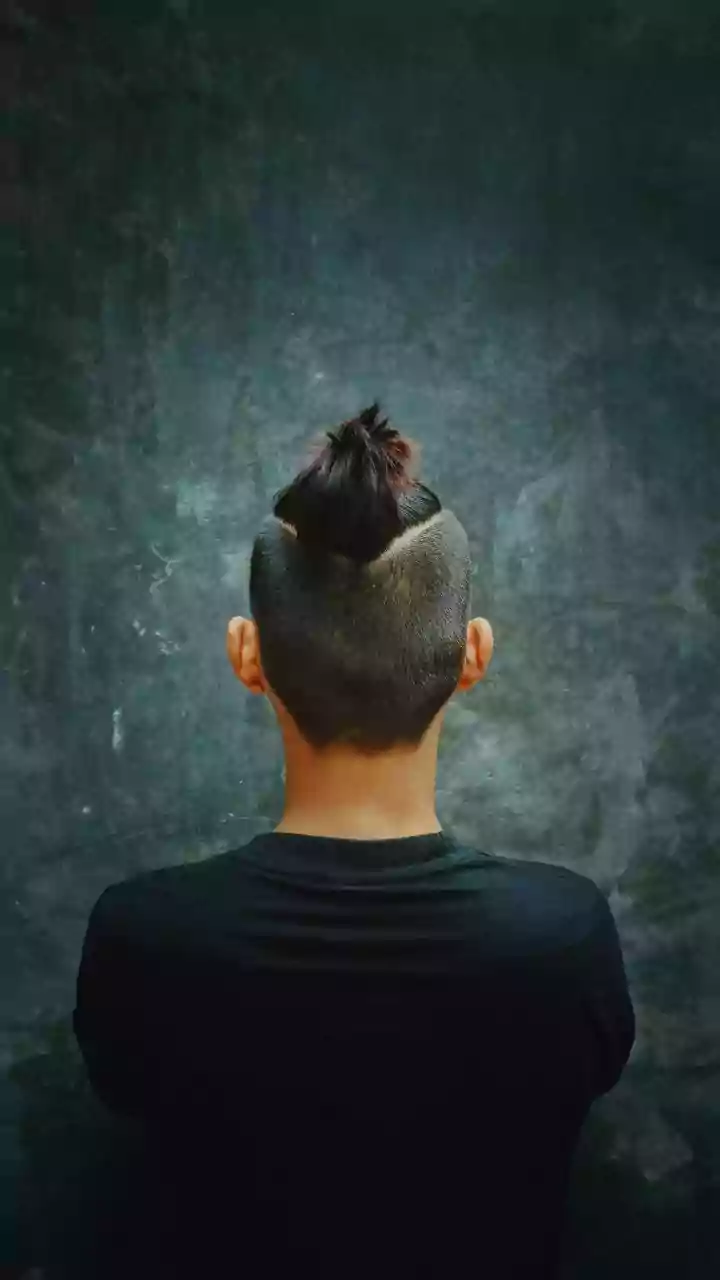
the undercut is a hairstyle defined by contrast. The hair on the top of the head is left significantly longer, while the back and sides are clipped very short or even shaved. Unlike a fade, which creates a gradual transition in length, the classic undercut features a clear, disconnected line between the long top and the short sides. This fundamental structure is what makes the style so versatile. The short sides provide a clean, sharp foundation, while the longer top section can be styled in countless ways—from slicked back to casually textured. Its history dates back over a century, but it has become a modern staple for its blend of edginess and practicality.
The Commuter's Secret Weapon
For office commuters, the undercut’s biggest advantage is its low-maintenance nature. With the sides and back kept ultra-short, there’s simply less hair to get messy, whether from humidity, wind, or wearing a helmet. Shorter sides also dry faster and stay cooler, a significant benefit for those who walk, cycle, or deal with crowded public transport. While the top section is longer, it's concentrated in one manageable area, allowing for a quick restyle upon arriving at the office. A few moments with a comb and a small amount of product are often all that’s needed to look polished and put-together, making it ideal for men who want to look sharp without a lengthy morning routine.
Finding an Undercut for Your Office
The undercut is not a one-size-fits-all haircut; it is highly adaptable to different workplaces and personal styles. For more conservative corporate environments, a classic or tapered undercut offers a polished look. The sides are kept neatly clipped (perhaps with a #2 or #3 guard) and can be softly blended into the longer top, which can be styled into a clean side part or a slicked-back look. In more creative fields, a disconnected undercut—where the line between the short sides and long top is more dramatic—can make a bolder statement. Variations like the undercut quiff or pompadour add volume and personality while still looking intentional and styled.
How to Ask Your Barber for an Undercut
Clear communication with your barber is key to getting the look you want. Start by bringing inspiration photos, which are always more effective than verbal descriptions alone. Specify two main things: the length of the sides and the length of the top. For the sides, you can ask for a specific clipper guard number (e.g., '#1' for very short, '#3' for a more conservative length). Decide if you want a 'disconnected' look with a hard line or a 'blended' or 'tapered' style for a softer transition. For the top, discuss how you plan to style it—whether combed back, to the side, or left textured—as this will determine the ideal length, which is typically at least three to four inches to create the necessary contrast.
Styling and Maintenance Made Simple
Daily styling is surprisingly quick. Most undercuts are designed to be styled with a specific product to achieve their shape. A pomade will give a classic, sleek shine for slicked-back styles, while a matte clay or wax is perfect for creating a modern, textured look. For extra volume, a sea salt spray on damp hair before blow-drying can work wonders. The primary maintenance commitment is keeping the sides sharp. To maintain the clean contrast, most men will need a trim every three to five weeks. While the daily effort is minimal, regular barber visits are essential to prevent the style from growing out awkwardly and losing its defining shape.