



Choose Fabrics Wisely
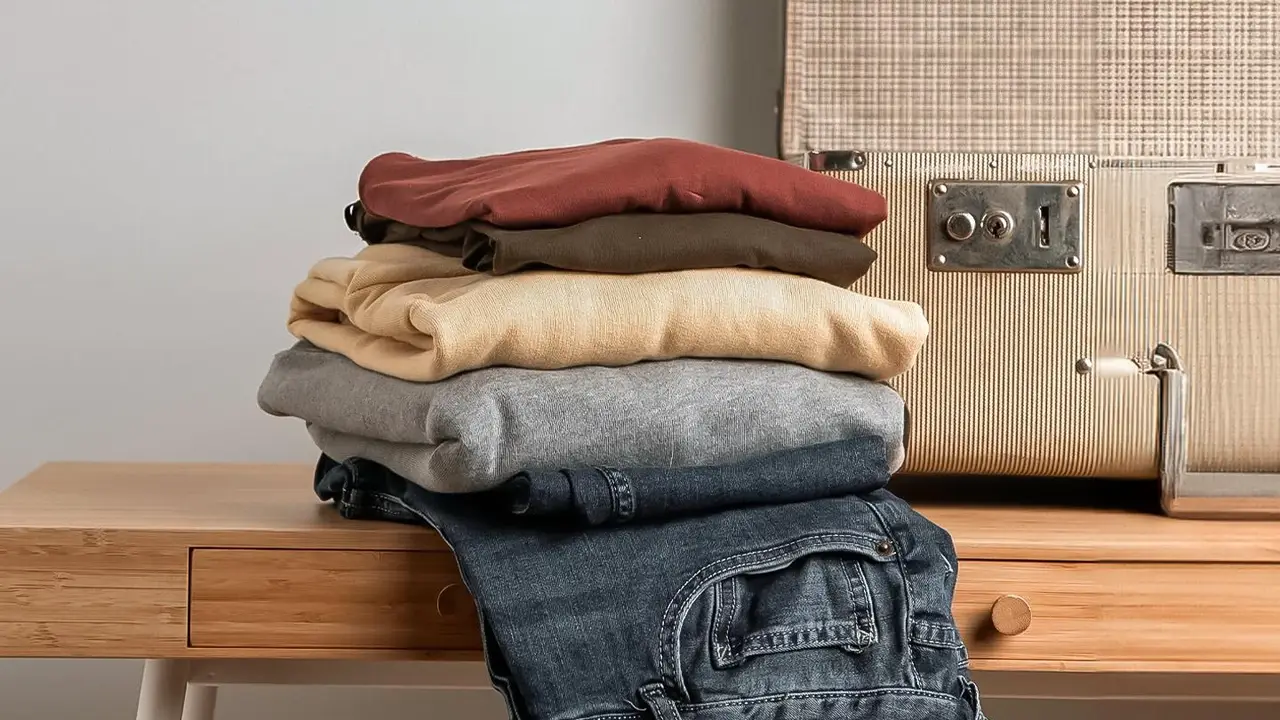
The foundation of light packing for wet weather is choosing the right materials. Leave heavy, slow-drying fabrics like cotton and denim at home. Instead, focus on quick-drying and moisture-wicking options. Materials like merino wool, fleece, and synthetic
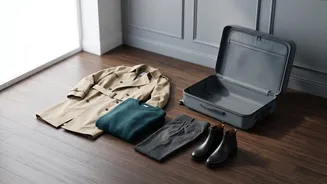
blends are excellent choices because they keep you warm, dry quickly when wet, and are naturally odour-resistant, allowing for multiple wears. For a four-day trip, a couple of quick-dry tops, one pair of travel-friendly trousers, and a lightweight sweater or fleece will form a versatile core wardrobe.
Embrace the Art of Layering
Instead of packing bulky sweaters, think in layers. A simple layering system provides more flexibility to handle fluctuating temperatures that often accompany rain. Your system should include a base layer (like a quick-dry t-shirt), a mid-layer for warmth (a thin fleece or merino wool sweater), and a waterproof outer layer. This approach allows you to add or remove clothing as conditions change throughout the day, ensuring you're always comfortable without dedicating precious luggage space to a single-purpose heavy coat.
Master the Roll and Cube Method
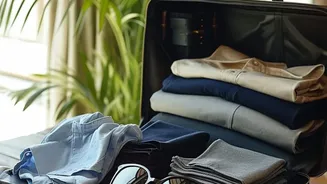
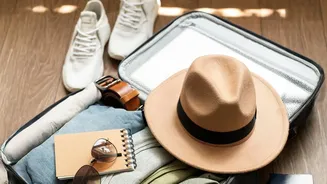
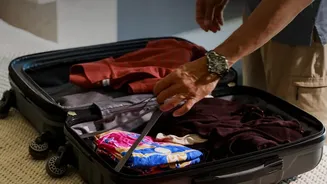
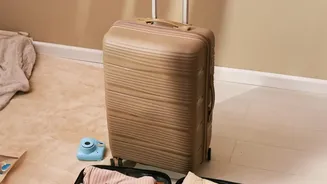
To maximize every inch of your carry-on, how you pack is as important as what you pack. Rolling your clothes tightly is a classic space-saving technique. For even better results, pair rolling with packing cubes. These fabric organisers not only compress your clothing but also keep your bag tidy. You can organise by category (tops in one, bottoms in another) or by day. For items that don't roll well, like a structured blazer, fold them neatly and place them flat on top of the cubes. Many travellers find that using multiple smaller cubes allows for a more flexible, Tetris-like packing strategy to fill all the gaps in your bag.
Strategise Your Outerwear and Shoes
Your rain jacket and shoes are often the bulkiest items. The solution is to wear them, not pack them. Choose a lightweight, packable rain shell with a hood that can be worn or easily clipped onto your bag during transit. When it comes to footwear, limit yourself to two pairs. One should be a comfortable, waterproof pair of shoes or boots suitable for walking in the rain. The second pair should be lightweight and intended for evenings or indoor use, such as flats or loafers. Tucking socks and other small items inside your shoes is another classic hack to utilise every bit of space.
Downsize Your Toiletries
Liquids are heavy and subject to airport security limits, so downsizing is crucial. Instead of packing full-size bottles, opt for solid toiletries—shampoo bars, conditioner bars, and solid toothpaste tablets are fantastic space-savers. For any remaining liquids, use travel-sized reusable containers. A hanging toiletry bag can help keep your items organised and your hotel bathroom counter clear. To protect your clothes from potential spills, consider placing your liquids bag inside a larger waterproof pouch.
Don't Forget a 'Wet Bag'
A common mistake when packing for rain is forgetting how to handle wet items on the return journey. Pack a dedicated 'wet bag' or even just a reusable plastic bag to isolate damp clothes, a soaked umbrella, or muddy shoes from the rest of your clean, dry belongings. Some packing cube sets even come with a laundry or water-resistant bag specifically for this purpose. This simple addition prevents moisture and odours from spreading throughout your carry-on, making unpacking a much more pleasant experience.