






Your Gut: A World Within
Before we dive into these delicious drinks, let's talk about the gut microbiome. Imagine a bustling community of trillions of microorganisms, including bacteria, living in your digestive tract. This community is your gut microbiome. A healthy, diverse
microbiome is crucial for breaking down food, absorbing nutrients, and even supporting your immune system. Probiotics are the 'good' live microorganisms that, when consumed in adequate amounts, contribute to this healthy balance. While yoghurt is a well-known source, a growing number of people are looking for plant-based and dairy-free alternatives due to lactose intolerance, allergies, or dietary choices.
Kombucha: The Fizzy, Fermented Tea
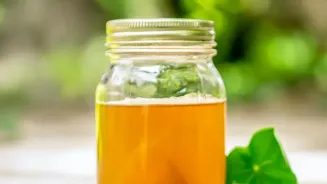
You’ve likely seen bottles of kombucha lining refrigerator aisles. This fizzy, slightly tart drink starts as sweetened black or green tea that is fermented using a SCOBY (Symbiotic Culture of Bacteria and Yeast). During fermentation, the yeast and bacteria work together to create a beverage rich in organic acids and live microorganisms. While scientific research is still growing, some studies suggest kombucha can contribute to a more diverse gut microbiome. A 2024 study, for instance, found that daily kombucha consumption helped enrich the gut with beneficial bacteria. It’s also a lower-sugar alternative to many sodas, offering flavour and fizz without the high sugar content.
Kanji: India's Traditional Probiotic Powerhouse
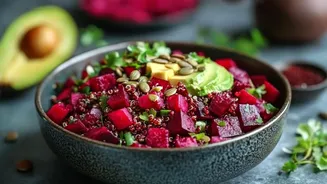
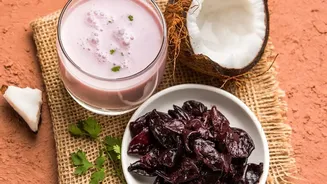
Long before kombucha became a global trend, Indian households have been making Kanji, a traditional fermented drink particularly popular in the northern parts of the country. Typically made from black carrots or beetroot, water, mustard seeds, and salt, Kanji is left to ferment in the sun for several days. This process creates a tangy, savoury drink brimming with naturally occurring probiotics, especially lactic acid bacteria. Known for its digestive benefits, Kanji can help reduce bloating and support regular bowel function. It's a low-calorie, hydrating beverage that has been traditionally used to boost immunity and aid in detoxification.
More Than Just Drinks
Kombucha and Kanji are fantastic, but they are part of a larger family of fermented foods that can support gut health. In India, other dairy-free probiotic sources include traditionally made pickles (achaar), which are fermented with salt and spices, not vinegar, and fermented rice dishes like Panta Bhat. Dhokla, when prepared through traditional overnight fermentation rather than with instant mixes, also offers probiotic benefits. The key is the fermentation process, which not only creates beneficial microbes but can also make the nutrients in the food more available for your body to absorb. Exploring these different options can add both flavour and microbial diversity to your diet.
How to Add Them to Your Routine
Ready to give these drinks a try? If you're new to fermented beverages, it's wise to start slow. Begin with a small glass (around 100-150 ml) to see how your body responds. You can enjoy Kanji before a meal to aid digestion, or sip on kombucha as a refreshing afternoon drink. When buying commercially prepared drinks, check the label for sugar content, as some brands can be surprisingly high. Also, look for terms like 'live cultures' and 'unpasteurised' to ensure you're getting the probiotic benefits. Making them at home is also a rewarding and cost-effective option, giving you full control over the ingredients and fermentation time.