


Why Light Is Your Plant’s Best Friend
Before we solve the problem, it’s important to understand why light is so critical. Plants create their own food through a process called photosynthesis, and light is the essential ingredient that fuels this process. Without the right amount of light,
a plant cannot produce the energy it needs to grow, maintain its vibrant colour, or produce flowers. In small urban homes, factors like window direction, nearby buildings casting shadows, and even the time of year can dramatically alter the light your plants receive. What looks bright to our adaptable human eyes might be far too dim for a plant. This mismatch is a primary reason for many common plant ailments.
The Five-Minute Shadow Test
You don't need any fancy gadgets to assess your home's light conditions. The easiest method is the 'shadow test', which you can do in minutes using just your hand. Around midday, when the sun is at its brightest, stand in the spot where you want to place your plant. Hold your hand about a foot above the surface and observe the shadow it casts. Here's how to interpret what you see: Bright, Direct Light: Your hand casts a sharp, clearly defined shadow. This is intense light, suitable for sun-loving plants like succulents and cacti. Medium, Indirect Light: The shadow is soft and a bit fuzzy around the edges. You can clearly see the shape of your hand, but it’s not crisp. This is the ideal condition for a vast majority of popular houseplants. * Low Light: The shadow is very faint and indistinct, or there's barely a shadow at all. This environment is only suitable for true low-light champions.
Signs of Too Little Light
When a plant isn't getting enough light, it will send out clear distress signals. One of the most common signs is 'legginess', where the plant stretches desperately towards the nearest light source, resulting in long, weak stems with few leaves. You might also notice that new leaves are smaller than older ones or that vibrant colours, especially in variegated plants, begin to fade to a dull green. Yellowing leaves, especially older ones at the base of the plant, and a general lack of new growth are also classic symptoms of a plant that is essentially starving for light.
Symptoms of Too Much Light
Just as too little light is a problem, too much direct sun can be equally damaging, scorching a plant that isn't adapted to it. If you see brown, crispy patches or dry edges on the leaves, especially those facing the window, your plant is likely getting sunburned. The leaves might also appear faded, bleached, or washed-out as the intense light destroys chlorophyll. Some plants will curl their leaves inwards to protect themselves and reduce the surface area exposed to the harsh sun. If a well-watered plant still looks wilted or droopy during the sunniest part of the day, it's a strong indicator of light stress.
Right Plant, Right Place: Matching Light to Your Space
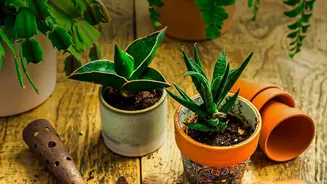
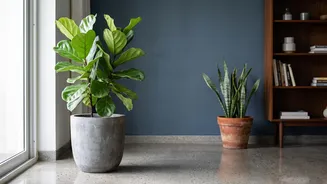
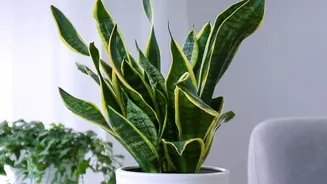
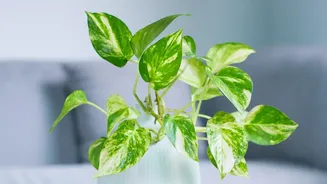
The key to success is matching your plant to the light you actually have. For those dimmer corners identified by the shadow test, consider resilient low-light heroes popular in Indian homes like the Snake Plant, ZZ Plant, or Aglaonema (Chinese Evergreen). These are tough plants that tolerate less-than-ideal conditions. For spots with that perfect medium, indirect light, your options expand to include Money Plants (Pothos), Philodendrons, and Peace Lilies. These will flourish without being scorched. Reserve those brightest, sun-drenched windowsills for succulents, jade plants, and aloe vera, which crave intense light. By choosing a plant that naturally fits your home's lighting, you set yourself up for a long and happy relationship with your green friend.