


Why Protein at Breakfast Matters
Starting your day with a protein-rich meal is a cornerstone of good health, especially for vegetarians. Protein is crucial for repairing tissues, building muscle, and keeping you feeling full and satisfied. A morning meal high in protein can help stabilise
blood sugar levels, reduce cravings later in the day, and support weight management by boosting metabolism and satiety. For those on a vegetarian diet, it is important to consciously include protein sources to meet daily needs, and breakfast is the perfect opportunity to get a head start.
The Power of Curd
Curd, or dahi, is a fantastic and accessible source of high-quality protein. Regular, plain curd made from whole milk typically provides around 3 to 4 grams of protein per 100 grams. It is also rich in calcium, which is vital for bone health, and contains beneficial probiotics that support a healthy gut. One of the biggest advantages of curd is its versatility. It requires no cooking and can be enjoyed in countless ways, making it an ideal component of a quick and nutritious breakfast. If you want to boost the protein content even further, opt for hung curd or Greek yogurt, which are strained to remove excess whey, concentrating the protein to as much as 9 or 10 grams per 100 grams.
Creative Curd Breakfast Bowls
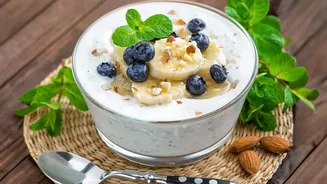
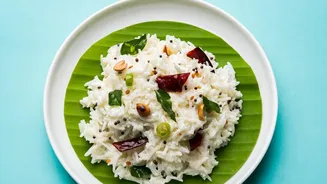
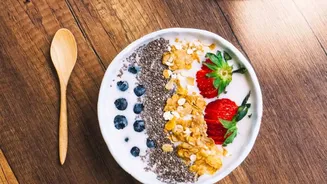
Move beyond a simple bowl of dahi. Transform it into a complete meal by creating a curd bowl. Start with a base of thick hung curd for maximum protein. Mix in a tablespoon of chia seeds, which will absorb moisture and add fibre. Top it with fresh fruit like papaya or berries, and add a sprinkle of homemade granola or a handful of nuts for a satisfying crunch and extra nutrients. For a savoury twist, temper the curd with mustard seeds and curry leaves and use it as a dip for toast or a topping for upma.
Paneer for a Protein Punch
Cottage cheese, or paneer, is another dairy hero in the world of vegetarian protein. A 100-gram serving can pack a significant amount of protein, making it an excellent breakfast choice. For a quick and savoury meal, a paneer scramble is a wonderful alternative to scrambled eggs. Simply crumble firm paneer into a pan with sautéed onions, tomatoes, and your favourite spices. Another popular option is a paneer paratha, which can be prepared in advance for busy mornings. You can even make a simple paneer and vegetable bowl, mixing cubed paneer with fresh, chopped cucumber and tomatoes for a refreshing start.
Lentil and Gram Flour Pancakes
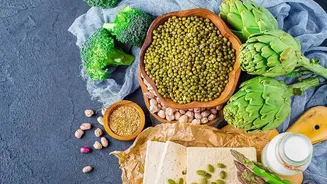
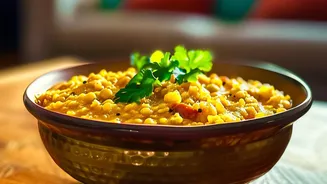
Lentils are a cornerstone of vegetarian protein, and they make a fantastic base for savoury breakfast pancakes. Moong dal chilla, made by grinding soaked moong dal into a batter, is a classic high-protein option. Similarly, besan chilla, made from chickpea flour (besan), is another quick and delicious choice that is naturally rich in protein. You can enhance the batter by adding grated vegetables like carrots or finely chopped spinach. Serve these savoury pancakes with a side of peanut chutney to further increase the protein content of your meal.
Embrace Soya and Tofu
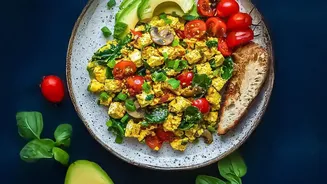
Soya-based products are complete proteins, meaning they contain all nine essential amino acids. A tofu scramble is a popular vegan breakfast that mimics the texture of scrambled eggs and can be customised with vegetables and spices. Soya milk is another easy way to add protein to your morning routine; a glass offers nearly the same protein as dairy milk and can be used as a base for smoothies or with your morning cereal.
Don't Forget Nuts, Seeds, and Grains
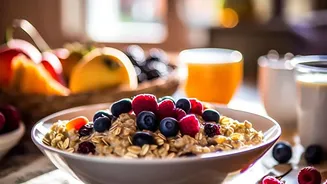
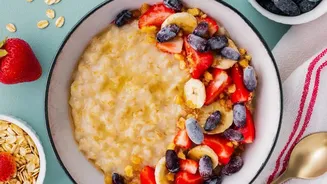
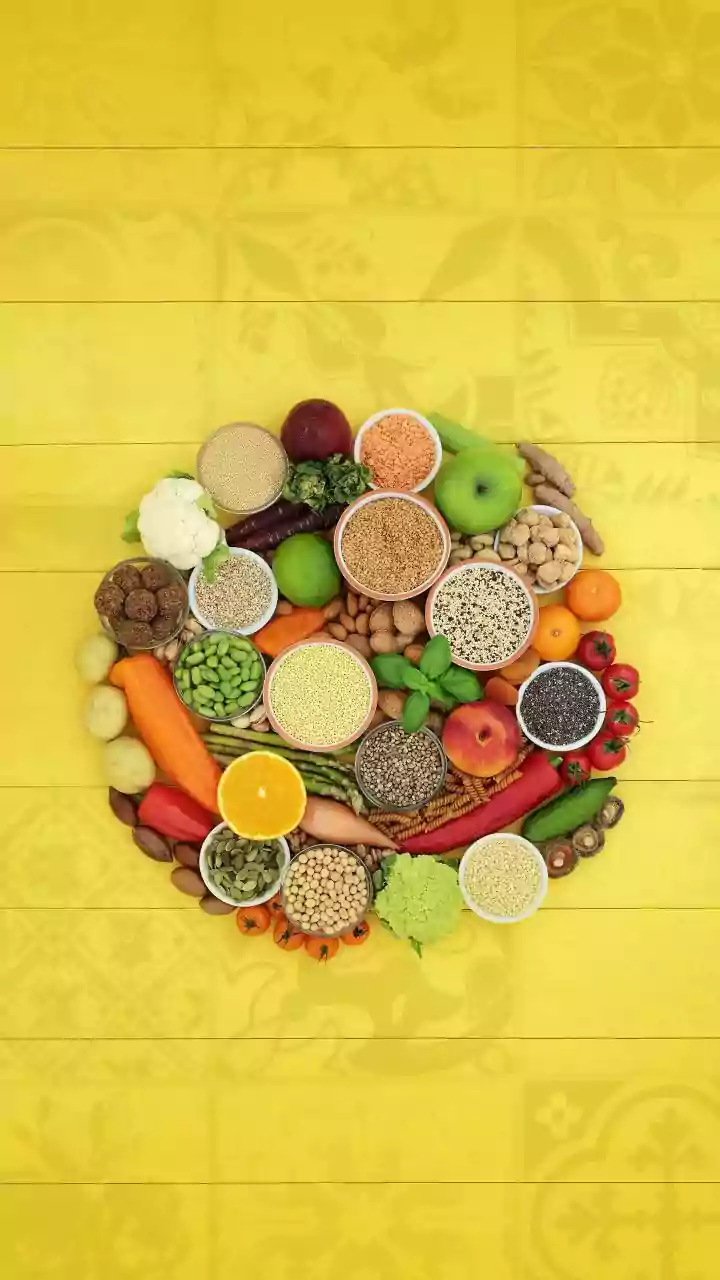
While not primary protein sources on their own, nuts, seeds, and certain grains can significantly boost the protein content of your breakfast. Adding a tablespoon of chia seeds or chopped nuts to your oatmeal or curd bowl can make a difference. Quinoa is a standout grain because it is a complete protein and contains about 8 grams of protein per cooked cup. Consider making a warm quinoa breakfast bowl, similar to porridge, cooked with milk and topped with fruits and nuts for a hearty and nutritious meal.