



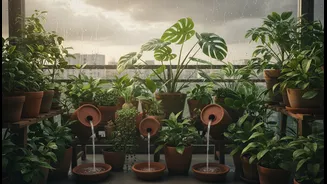


The Monsoon Watering Paradox
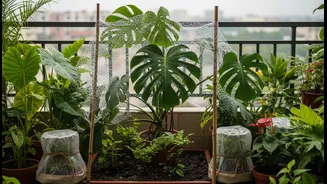
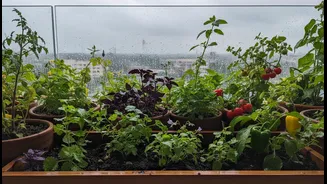
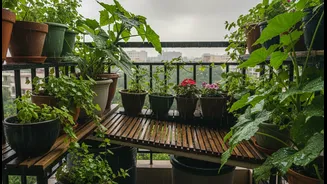
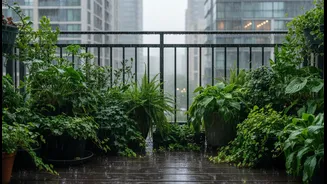
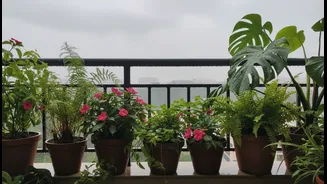
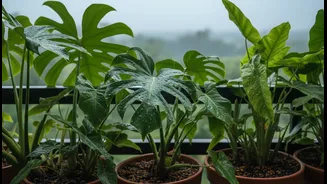
It seems logical: more rain means less need to water. But the reality for potted plants, especially tropicals on a balcony, is far more complex. The primary issue isn't just the rainwater itself, but the surrounding environment it creates. High humidity
dramatically slows down evaporation from the soil, meaning pots stay wet for much longer. Coupled with reduced sunlight from overcast skies, plants have less energy for photosynthesis and water uptake. This combination creates a perfect storm for waterlogged soil, even if you haven't watered the plants yourself. The constant dampness is a significant shift from the hot, dry conditions of summer, and your care routine must change just as dramatically.
The Hidden Danger of Drowning Roots
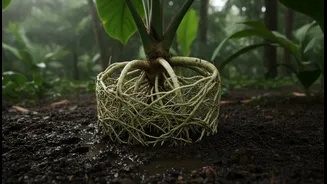
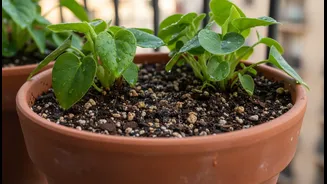
The single greatest threat to your plants during the monsoon is root rot. This condition isn't caused by water itself, but by a lack of oxygen. When soil becomes saturated, water fills all the air pockets that roots need to breathe. Deprived of oxygen, these delicate roots begin to suffocate and decay. This creates an ideal breeding ground for fungi and bacteria that thrive in wet, anaerobic conditions, accelerating the rot. Once the root system is compromised, it can no longer absorb water or nutrients effectively, leading to a plant that is essentially dying of thirst even while sitting in soggy soil. This is why the signs of overwatering can be so deceptive.
Signs of Distress: Overwatering vs. Underwatering
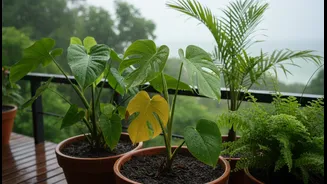
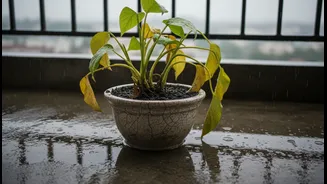
Confusingly, an overwatered plant often looks like an underwatered one. You might see yellowing leaves, wilting, or drooping. The key difference is the soil. If the leaves are wilting but the soil is damp or wet, you are dealing with overwatering and likely root rot. Other tell-tale signs include soft, mushy stems near the base, dark spots on leaves, and a sour or musty smell coming from the soil, which indicates fungal growth. In contrast, an underwatered plant will have similar drooping but its leaves will feel dry and crispy, and the soil will be bone-dry and may even pull away from the sides of the pot.
A Strict Watering Rulebook for the Monsoon
To navigate the monsoon, abandon your old calendar-based schedule and adopt a more disciplined approach. Your plant and its soil—not the day of the week—dictate when it's time to water. First, always check the soil before watering. Use the 'finger test': insert your finger about two inches deep into the soil. If it feels moist, do not water. Wait another day and check again. Second, ensure every pot has unobstructed drainage holes. Elevating your pots on bricks or pot feet is a simple but highly effective way to allow excess water to escape and prevent the base from sitting in a puddle. Third, when you do water, do it in the morning. This gives the plant time to absorb what it needs and for any excess surface moisture to evaporate before cooler evening temperatures set in, which can encourage fungal growth.
Beyond Watering: Essential Monsoon Care
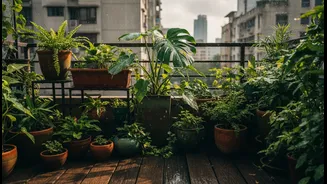
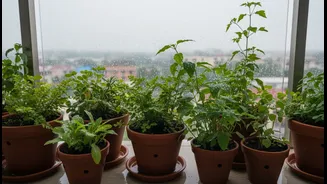
A strict watering schedule is crucial, but other adjustments can make a big difference. Good air circulation is vital to combat high humidity and prevent fungal diseases on leaves. If possible, increase the space between your pots. Prune any yellowing leaves or overcrowded branches to improve airflow through the plant. Be vigilant about pests like slugs and fungus gnats, which flourish in damp conditions. Finally, go easy on the fertilizer. Most plants are not in an active growth phase during the cloudy, wet months, so feeding them can lead to nutrient buildup that stresses the roots. A light touch with all aspects of care is the key to helping your tropicals survive and thrive until the sun returns.