

The Charm of Upcycled Decor
There's a special kind of magic in turning something old into something new. Upcycling fabrics, especially those with sentimental value like a mother's silk saree or drapes from a childhood home, adds a layer of personal history to your decor. This sustainable
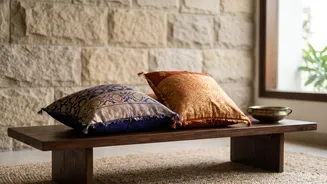
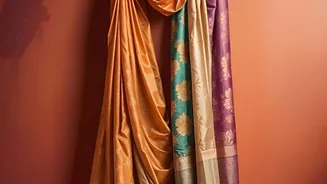
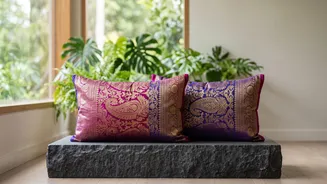
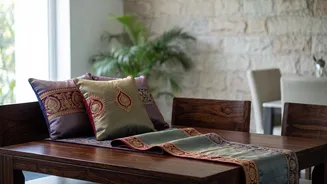
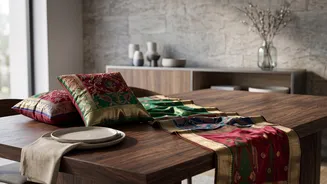
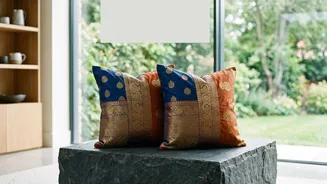
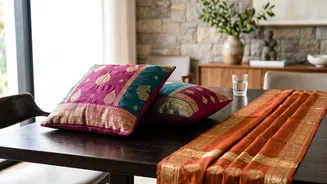
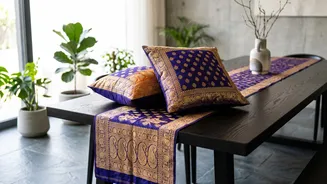
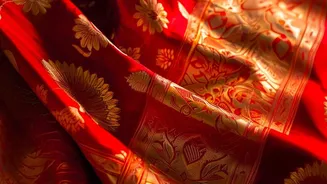
practice is not only eco-friendly but also ensures your festive decorations are truly one-of-a-kind. Instead of generic store-bought items, you get pieces that tell a story, sparking conversations and memories. An old saree's rich border, intricate embroidery, or vibrant pallu can become the focal point of your living room.
Choosing the Right Fabrics
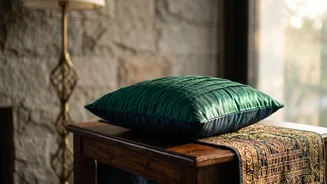
Not all fabrics are created equal when it comes to cushion covers. For sarees, rich materials like silk, brocade, or heavy cottons work beautifully, holding their shape and showcasing their intricate weaves. Check the fabric for any damage or weakness before you begin. Lighter fabrics like chiffon or georgette might be too delicate on their own but can be reinforced with a sturdy cotton lining. When using old drapes, you often have the advantage of thicker, more durable material designed to withstand wear. Cottons and linens are great all-rounders as they are breathable and easy to clean.
A Simple No-Sew Method
Not a fan of sewing? No problem. You can still create beautiful cushion covers without a single stitch. One of the easiest methods is the 'gift wrap' technique. Lay your fabric flat, place the cushion in the center, and neatly fold the fabric around it as you would a present. Secure the folds on the back with safety pins or fabric glue. Another simple option is to use an old dupatta or a long piece of fabric, wrapping it around the cushion and tying the ends into a decorative knot. This no-sew approach is perfect for a quick, temporary festive makeover.
Creating a Basic Sewn Cover
For a more permanent and polished look, sewing an envelope-style cover is a great project for beginners. Start by measuring your cushion insert and cutting one square piece of fabric for the front. For the back, cut two rectangular pieces that are the same width as the front but overlap in the middle when laid down. Hem one edge of each of the back pieces. Then, with the right sides of the fabric facing each other, place the two back pieces on top of the front piece, making sure the hemmed edges overlap in the center to form the envelope opening. Pin everything together and sew around all four sides. Finally, trim the corners, turn the cover right side out, and insert your cushion.
Adding Festive Embellishments
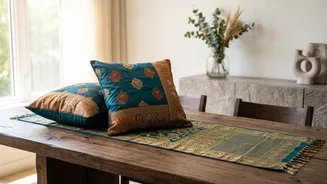
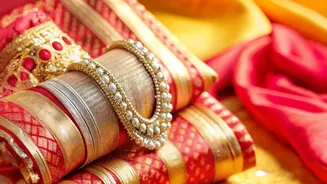
To truly capture the festive spirit, think about embellishments. The rich 'pallu' or border of a saree can be used as the front of the cushion cover to make a statement. You can enhance plain fabrics by adding tassels, pompoms, beads, or mirror work along the edges or corners. If you have smaller pieces of different sarees, consider creating a patchwork design for a vibrant, bohemian look. Even an embroidered motif carefully cut from an old kurta can be stitched onto a plain cover to give it a new lease of life. These details elevate your handmade cushions from simple to stunning.
Caring for Your New Creations
Handmade items require a little extra care, especially when made from delicate fabrics like silk sarees. To keep your new cushion covers looking their best, it is advisable to spot-clean them whenever possible. If a full wash is necessary, a gentle hand wash in cold water is the safest option. Avoid harsh detergents and wringing the fabric, which can cause damage. For covers made from more durable fabrics like cotton or polyester blends, a gentle machine wash may be possible. Always air dry them away from direct sunlight to prevent colours from fading.