



From Palatial to Personal
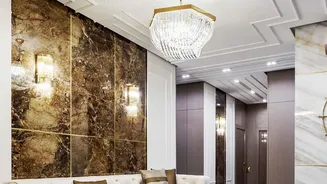
For decades, luxury in Indian real estate was synonymous with grandiosity. Think imported marble, ornate chandeliers, and rooms designed more for impressing guests than for daily living. It was a definition borrowed from another era, focused on visible
wealth and social status. But as India's cities have grown denser and its homeowners more globally exposed, this old idea has started to feel outdated. Discerning buyers are increasingly prioritising quality of life over sheer extravagance. The new aspiration is not about owning the biggest house on the block, but about creating a personal sanctuary that truly serves the owner's lifestyle.
The Comfort Revolution
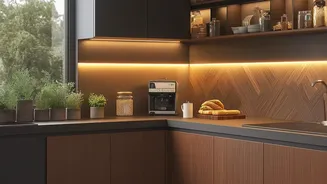
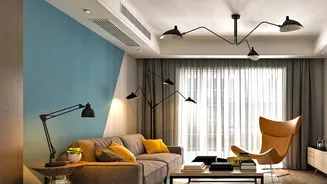
The new standard of luxury is deeply personal and sensory. It is less about how a home looks and more about how it feels. This shift places an immense value on comfort. Homeowners are investing in things that enhance daily well-being: spa-like bathrooms, high-quality linens, and layered, warm lighting that creates a restorative atmosphere. There is a growing focus on acoustic planning to create quiet zones within a bustling city home and biophilic design, which incorporates natural elements like plants and maximises daylight to foster a connection with nature. This approach, sometimes called wellness architecture, sees the home as an ecosystem designed to help inhabitants recover from the stresses of modern life.
The Efficiency Mandate
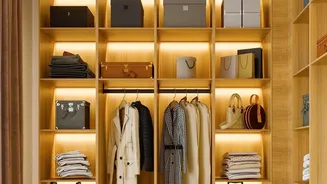
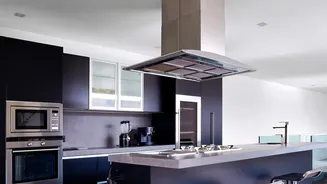
In crowded metropolitan cities, space itself is the ultimate luxury. With apartment sizes becoming more compact, the efficient use of every square foot has become an art form. This is where smart design and technology come in. Luxury is no longer just about adding rooms, but about making existing rooms work harder. Multifunctional spaces are now a key feature. A study nook can emerge from a beautifully designed cabinet, a living room can seamlessly transform into a guest area, and balconies are no longer afterthoughts but vital extensions of the living space. Homeowners are demanding clever storage solutions, modular furniture, and flexible layouts that adapt to their needs, proving that thoughtful design can make a smaller home feel more spacious and functional than a poorly planned larger one.
The Hybrid Work-Life Home
The widespread adoption of remote and hybrid work has been a major catalyst in this redefinition of home luxury. The home is no longer just a place of rest; it's an office, a school, and a social hub. This has made a dedicated and well-designed workspace a non-negotiable feature for many. Buyers are now scrutinising floor plans for a potential home office, paying close attention to factors like natural light, good ventilation, and acoustic separation from the rest of the house. Developers are responding by designing layouts with built-in study niches and dedicated power and data points. The need for a reliable, high-speed internet connection has also become a critical factor, elevating tech readiness to a luxury feature.
A Mindful and Sustainable Choice
The new luxury is also more conscious. There is a growing desire for longevity and authenticity over fast-moving trends. This translates into choosing sustainable materials, energy-efficient appliances, and handcrafted items from local artisans that tell a story. Homeowners are becoming more mindful of their environmental footprint, seeking features like rainwater harvesting and solar panels. This shift represents a maturation of the market, where luxury is tied to discernment and values rather than mere consumption. It is about creating a home that is not only beautiful and comfortable but also reflects a sense of responsibility and connection to a larger community.