






FSSAI's Crackdown on 'Healthy' Illusions
The Food Safety and Standards Authority of India (FSSAI) has intensified its scrutiny of food brands making ambitious claims on their packaging. In recent months, the regulator has issued notices to numerous companies for using terms like “100% Pure,”
“Natural,” and “Healthy” without sufficient scientific backing. This action follows a wider push for transparency, including a directive from May 2025 advising businesses to stop using “100%” claims, which FSSAI argues are ambiguous, unverifiable, and potentially misleading. This regulatory move isn't about declaring products unsafe; rather, it aims to curb marketing practices that create false impressions of absolute purity or health benefits. The core issue is that these front-of-pack claims often serve as marketing shortcuts, encouraging shoppers to make snap decisions without examining the actual nutritional content.
The Front-of-Pack Fantasy
The front of a package is designed to sell. It uses appealing imagery and powerful buzzwords to create a perception of health. A packet of biscuits might scream “Multigrain,” but the first ingredient could still be refined flour (maida). A fruit juice may claim “No Added Sugar,” but could be sweetened with fruit concentrates, which are also a form of sugar that FSSAI prohibits for such claims. This is where the disconnect happens. The Supreme Court has also weighed in, pushing FSSAI to finalise a framework for clear, front-of-pack warning labels for foods high in sugar, salt, and fat, a move aimed at helping consumers make healthier choices at a glance. While this system is still under discussion, the current reality requires consumers to become detectives, and the primary clue is always on the back.
How to Decode the Nutrition Panel
The nutrition information panel is your most reliable guide, but it can be intimidating. Here’s a simple breakdown. First, always check the “per 100g” column, not just “per serving.” Serving sizes are often unrealistically small, making the numbers for calories, sugar, and fat seem lower than they are for a typical portion. Key things to watch are total fat (especially saturated and trans fats), sodium, and total sugars. As a rule of thumb, foods with over 15g of sugar or 600mg of sodium per 100g are considered high in those nutrients. Avoiding trans fats entirely is recommended, so if you see “partially hydrogenated oils” in the ingredients, put the product back.
The Truth in the Ingredients List
Beneath the nutrition table lies the most revealing section: the list of ingredients. This list is always in descending order by weight. If sugar, maida, or palm oil are among the first three ingredients, the product is likely not as healthy as its front-of-pack claims suggest. Manufacturers often use multiple types of sweeteners like high-fructose corn syrup, sucrose, or fruit juice concentrate to make each one appear lower on the list. A long list filled with chemical-sounding names and additives is another red flag, often indicating a highly processed food. A shorter, more recognizable ingredient list generally points to a less processed and more wholesome product.
Beyond the Label: A Smarter Approach
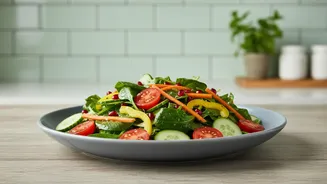
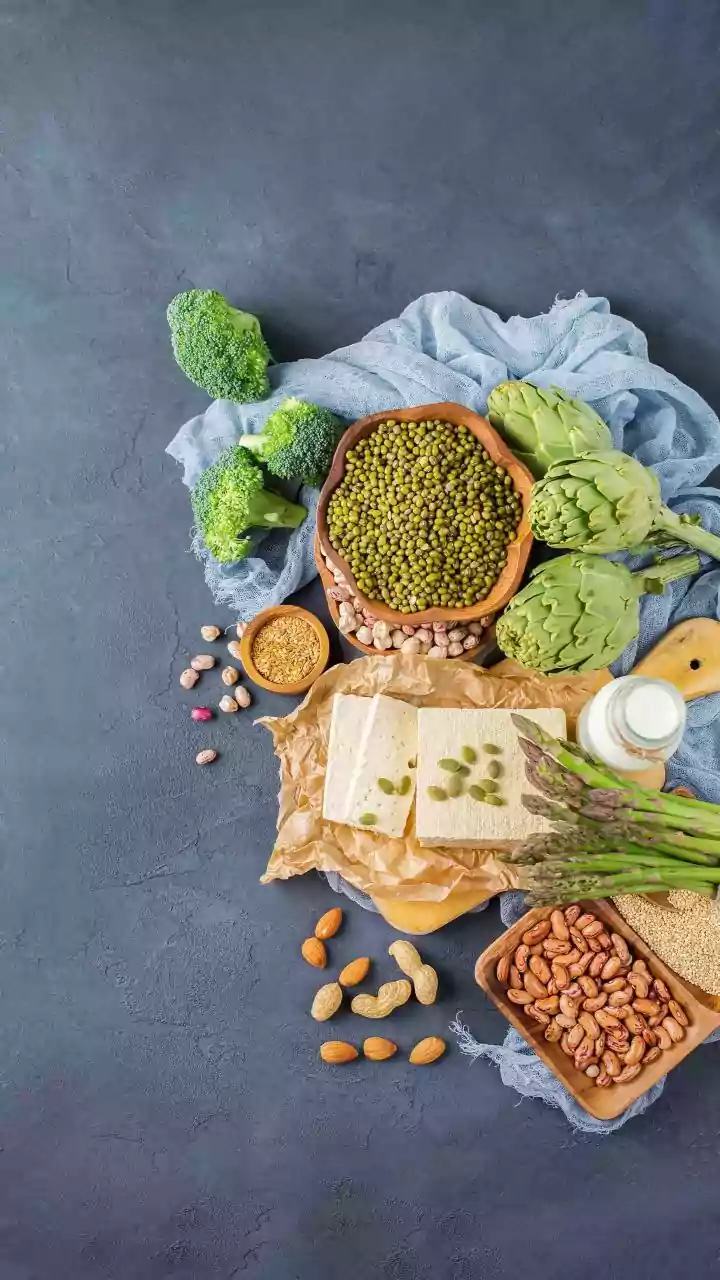
Becoming a proficient label-reader is a crucial skill for navigating the modern grocery store. The ongoing actions by FSSAI signal a shift towards greater accountability in the food industry. However, the ultimate strategy for better health extends beyond packaged goods. A diet rich in whole foods—fresh fruits, vegetables, whole grains, and lean proteins—doesn't require a nutrition panel or an ingredients list. While packaged foods offer convenience, relying on them less and focusing more on unprocessed items is a powerful way to take control of your nutrition. Use the label as a tool for making better choices when you do buy packaged goods, but remember that the healthiest options often don't come in a box at all.