






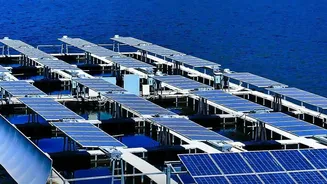
What is Agrivoltaics?
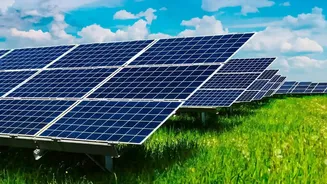
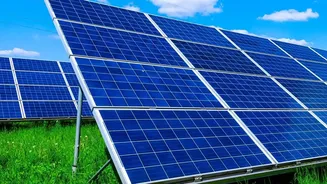
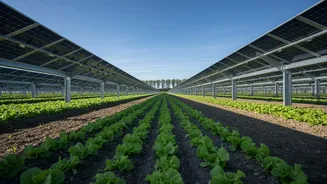
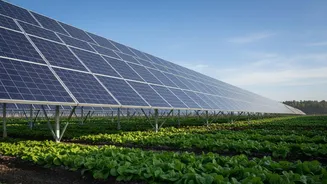
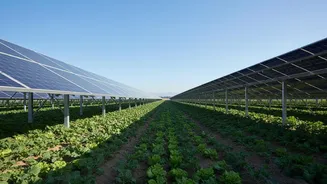
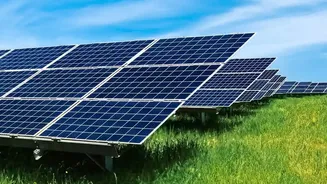
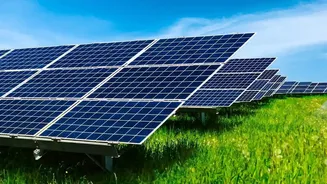
At its core, agrivoltaics involves installing solar panels on elevated structures several feet above the ground, allowing agricultural activities to continue underneath. Instead of having solar farms and agricultural fields compete for precious land,
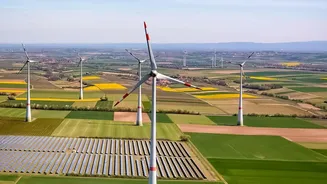
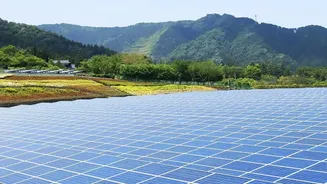
this approach merges them. This dual-use model optimises land that can simultaneously produce food and generate clean energy. Pilot projects across India, from Maharashtra to Gujarat, have already demonstrated that this synergy is not just possible, but profitable. By turning farmers from just 'annadata' (food providers) into 'urjadata' (energy providers) as well, the model creates new income streams and boosts rural economies. This is a significant shift from conventional solar farms, which often occupy vast tracts of land that could otherwise be used for cultivation.
The Crucial Water-Saving Advantage
The new emphasis in India's agrivoltaics push is its profound impact on water use. The solar panels create partial shade, which reduces soil temperature and shields crops from the harshest direct sunlight. This microclimate modification has a direct and significant effect on water conservation. By lowering ground temperature, the panels drastically reduce the rate of water evaporation from the soil and transpiration from the plants themselves. In a water-stressed country like India, where agriculture accounts for the vast majority of freshwater consumption, this is a game-changing benefit. Studies from Indian research institutes have found that agrivoltaic systems can reduce evaporation by around 30%, significantly cutting irrigation needs. This makes farming more resilient in drought-prone regions and eases the immense pressure on the nation's dwindling groundwater reserves.
The Policy Powering the Push
This growing focus is backed by a concerted policy drive. The government's Pradhan Mantri Kisan Urja Suraksha evam Utthan Mahabhiyan (PM-KUSUM) scheme is a cornerstone of this effort. It provides significant subsidies to farmers for installing solar power systems, including standalone pumps and grid-connected plants. Recognizing the potential of agrivoltaics, a new phase of the scheme, dubbed PM-KUSUM 2.0, is being prepared with a dedicated component to promote the co-location of solar panels and crops. This policy evolution signals a clear understanding at the highest levels that the food-energy-water nexus is critical to India's future. By incentivizing farmers to adopt these dual-use systems, the government is aiming to scale up a solution that addresses land scarcity, rural income, and climate resilience all at once.
Challenges on the Ground
Despite its immense potential, the widespread adoption of agrivoltaics faces hurdles. The initial investment cost for the elevated structures and panels can be prohibitive for many small and marginal farmers, even with subsidies. There is also a need for more technical expertise and training to help farmers select the right crops and manage these integrated systems effectively. Not all crops thrive in partial shade, so careful selection of shade-tolerant varieties like turmeric, leafy greens, tomatoes, and certain chilies is crucial for success. Another challenge is the unintended consequence of making water pumping cheaper. While agrivoltaics helps conserve water by reducing evaporation, the availability of free solar power for pumps can paradoxically encourage over-extraction of groundwater if not properly managed, a problem already seen with conventional solar pumps.