



The Nutritional Power of Millets
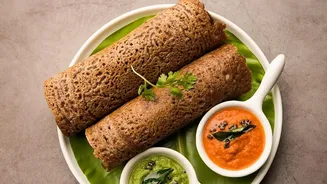
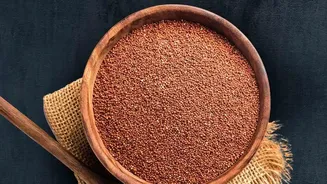
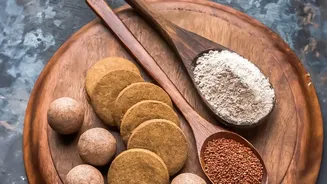
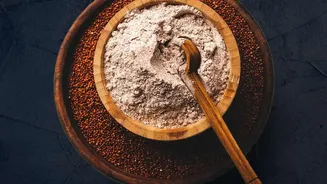
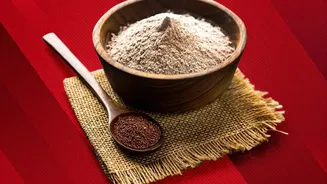
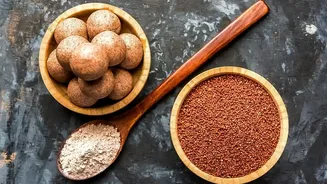
Before you start baking, it helps to know why these ancient grains are making a comeback. Ragi, or finger millet, is a nutritional powerhouse, renowned for its high calcium and iron content. Bajra, or pearl millet, is packed with protein, magnesium, and iron.
Both are excellent sources of dietary fiber, which aids digestion and helps you feel full for longer. Being naturally gluten-free, they offer a fantastic alternative to refined wheat flour (maida), bringing a host of health benefits to your favourite cakes and cookies.
Golden Rules for Millet Baking
Baking with millet flours isn't a simple one-to-one swap with wheat flour. The key to success is to start small. Begin by substituting just 25-30% of the regular flour in your recipe with ragi or bajra flour. This allows you to get comfortable with their unique textures and tastes without overwhelming the final product. Ragi has a distinct, earthy flavour, while bajra is nutty and slightly sweet. By blending them with your usual flour, you get the structure from the wheat and the nutritional benefits from the millets.
Tackling Density and Dryness
Millet flours are thirsty; they absorb more moisture than wheat flour, which can lead to dry, dense, or crumbly results. To counteract this, you need to increase the liquid content in your recipe. Incorporating moist ingredients like yogurt (dahi), buttermilk, mashed bananas, applesauce, or a little extra oil or ghee can make a huge difference, resulting in a softer crumb. For gluten-free baking, adding a binding agent like flaxseed powder mixed with water or psyllium husk (isabgol) can help improve the structure and prevent your bakes from falling apart.
Perfect for Cookies and Crackers
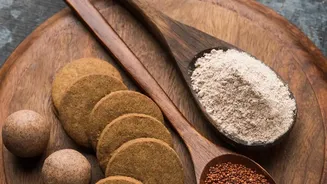
The rustic and nutty characteristics of ragi and bajra make them ideal for bakes where a crisp or crumbly texture is desired. They shine in cookies, biscuits, crackers, and tart crusts. The robust flavour of bajra pairs wonderfully with spices like cardamom and ginger, while ragi's earthy notes are a perfect match for chocolate, jaggery, and banana. When making cookies, the slightly denser nature of millet flour can be an advantage, creating a satisfyingly chewy and hearty treat.
Making Soft Cakes and Muffins
Yes, you can make soft, moist cakes and muffins with millets. The trick, once again, is moisture and flavour pairing. A ragi-chocolate cake or banana-bajra muffins are classic combinations for a reason. The strong flavours complement each other beautifully. When converting a cake recipe, start by replacing about a third of the all-purpose flour with millet flour. Ensure you include a wet ingredient like yogurt or fruit puree to maintain a tender texture. Also, be careful not to overbake, as millet-based goods can dry out quickly in the oven.
A Note on Breads
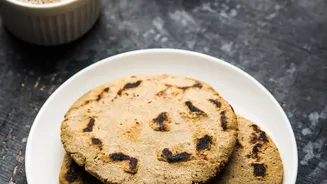
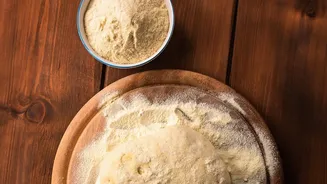
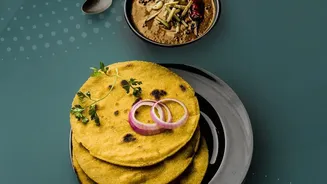
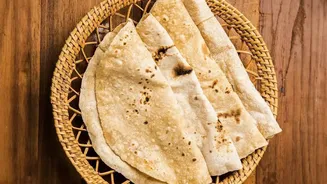
Making leavened bread with ragi and bajra presents a unique challenge because they lack gluten, the protein that gives bread its airy, elastic structure. For fluffy bread loaves and buns, it is almost essential to use them in combination with high-protein bread flour. A blend containing up to 25% millet flour is a good starting point for adding extra fiber and nutrients to your daily bread without sacrificing texture. For flatbreads like rotis or bhakri, these flours are traditional and work wonderfully on their own once you master handling the dough.