



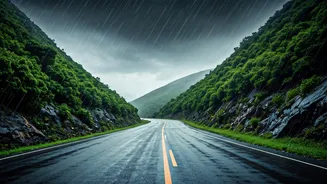


First, Understand the Red Alert
An IMD Red Alert is the highest level of warning, issued for weather events that pose a significant threat to life and property. It typically signifies extremely heavy rainfall, often over 204.5 mm in 24 hours, leading to a high risk of widespread flooding,
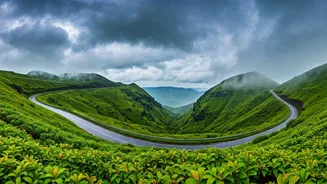
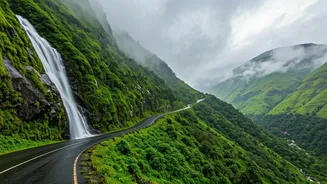
landslides, and disruption of services. The recent forecasts for the Western Ghats region indicate heavy to very heavy rainfall, making travel extremely hazardous. Before starting, check the latest district-wise warnings from the IMD and local authorities. If officials advise against travel, the safest checklist is the one you use to unpack your bags and stay home.
The Pre-Trip Vehicle Inspection
Your car must be in top condition to handle treacherous monsoon roads. Start with the most critical safety components. Check your tyres for a tread depth of at least 3mm; anything less significantly increases the risk of skidding or hydroplaning on wet surfaces. Ensure they are inflated to the manufacturer's recommended pressure. Inspect your brakes for performance—they should not feel spongy or make unusual noises. Worn brake pads can be disastrous on steep, slippery descents. Finally, test all your lights: headlights, taillights, brake lights, and indicators are vital for visibility in downpours and fog.
Wipers, Fluids, and Vision
Clear visibility is non-negotiable. Old or cracked wiper blades will only smear water across the windshield, blinding you when you need to see most. Replace them if they leave streaks. Top up your windshield washer fluid, as road spray can quickly coat your glass in mud. Also, do a full check of your essential fluids—engine oil, coolant, and brake fluid. Driving on steep inclines puts extra stress on the engine, and you don't want to overheat on a remote ghat road.
On-the-Road Driving Strategy
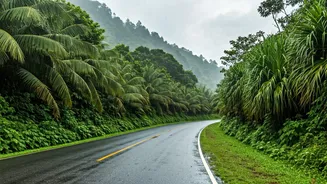
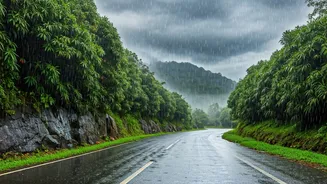
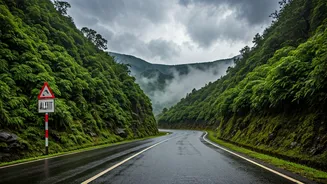
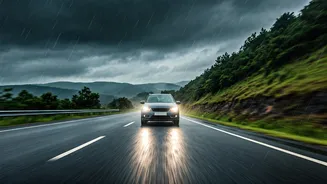
Once you're driving, adjust your technique for the conditions. Reduce your speed significantly and double the usual following distance from the vehicle ahead to account for longer braking distances on wet roads. Avoid sudden braking, acceleration, or sharp turns. Be extremely wary of puddles; you can't know their depth or what potholes they might hide. Driving through deep water can cause your car to stall or even lead to engine damage. The Western Ghats are prone to landslides, especially in areas with steep, unstable slopes. Be vigilant and watch the road ahead for falling debris or mudflows.
Essential Emergency Kit
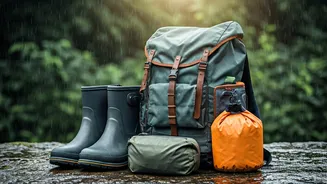
Hope for the best but prepare for the worst. Your emergency kit should be tailored for monsoon travel. Pack a powerful flashlight, a fully charged power bank, and a first-aid kit. Jumper cables, a tow rope, and a basic toolkit are also advisable. Given the risk of getting stranded by landslides or road closures, carry extra drinking water, non-perishable snacks, and any essential medications. Inform a friend or family member of your route and estimated time of arrival, and keep them updated if your plans change.
The Final and Most Important Check
The last check is a simple question: is this trip truly necessary right now? A Red Alert signifies a high probability of danger. The Idukki, Wayanad, and Coorg regions, among others in the Ghats, have a history of devastating landslides triggered by intense monsoon rains. While the allure of a monsoon drive is strong, no weekend getaway is worth risking your life. Check multiple reliable sources for road conditions and weather updates right before you leave. If major routes are closed or official warnings are in place, the smartest decision is to postpone your trip and wait for a safer window.