
A Green Response to Concrete Jungles
For many young professionals in India, life is a fast-paced blur of screens, deadlines, and notifications. The shift towards remote and hybrid work has further blurred the lines between office and home, leading to a collective yearning for a tangible
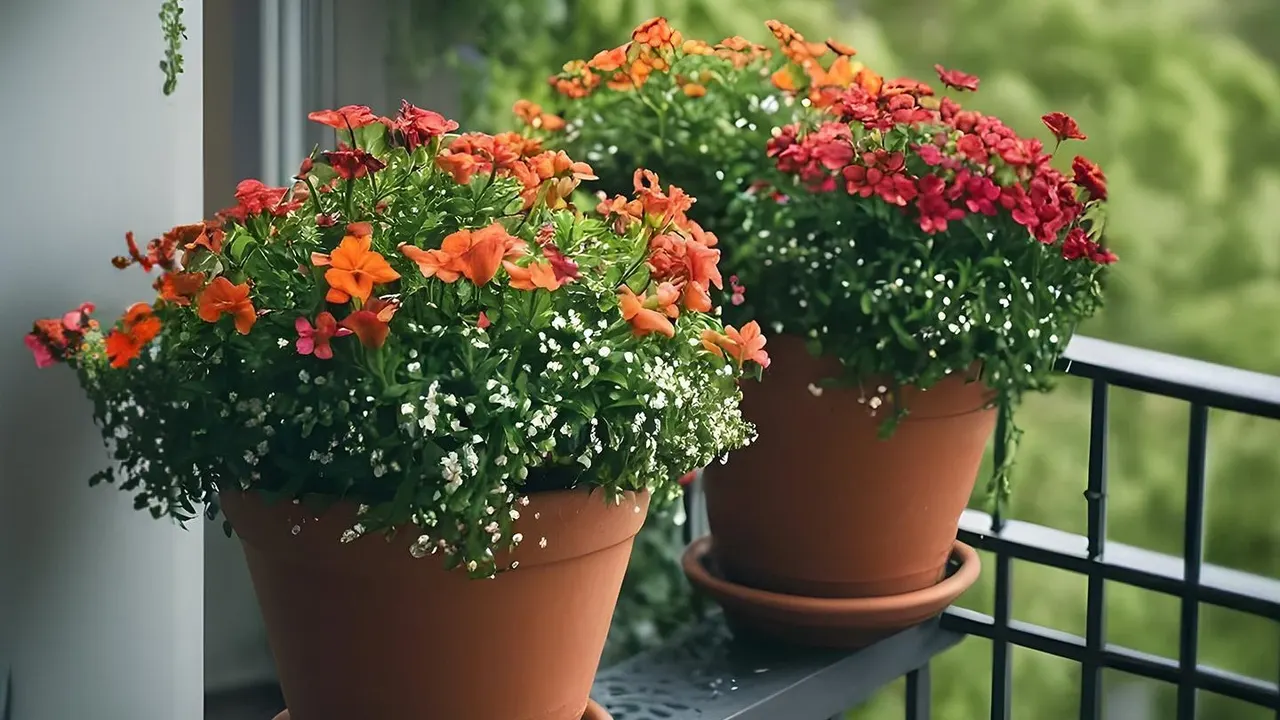
connection to the physical world. Balcony gardening has emerged as a powerful antidote to this digital fatigue. What started as a lockdown hobby for many in 2020 has blossomed into a lasting lifestyle choice, with a noticeable trend of millennials and Gen Z adopting the “plant parent” identity. This is more than just an aesthetic trend for social media; it's a conscious choice for wellness, offering a chance to slow down and nurture something real. The satisfaction of seeing a seed sprout provides a grounding counterpoint to the endless scroll. It's a reconnection with nature, one pot at a time.
Why Monsoon is the Perfect Start
The rainy season in India is nature’s own starter kit for gardening. The combination of cooler temperatures, higher humidity, and natural, regular watering creates ideal conditions for many plants to thrive, especially herbs. This period encourages faster seed germination, healthier leaf growth, and stronger root development, significantly increasing the survival rate for new plants. For beginners, this is a forgiving season. The air is naturally moist, reducing the stress on young saplings and the need for constant watering. However, good drainage is crucial to prevent waterlogging, so choosing pots with holes and using a well-aerated soil mix are key to success during these wet months.
Your Beginner's Monsoon Herb Garden
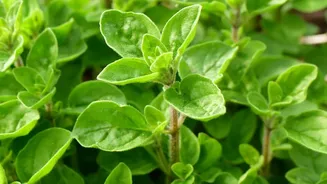
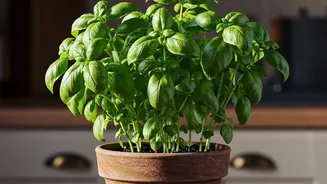
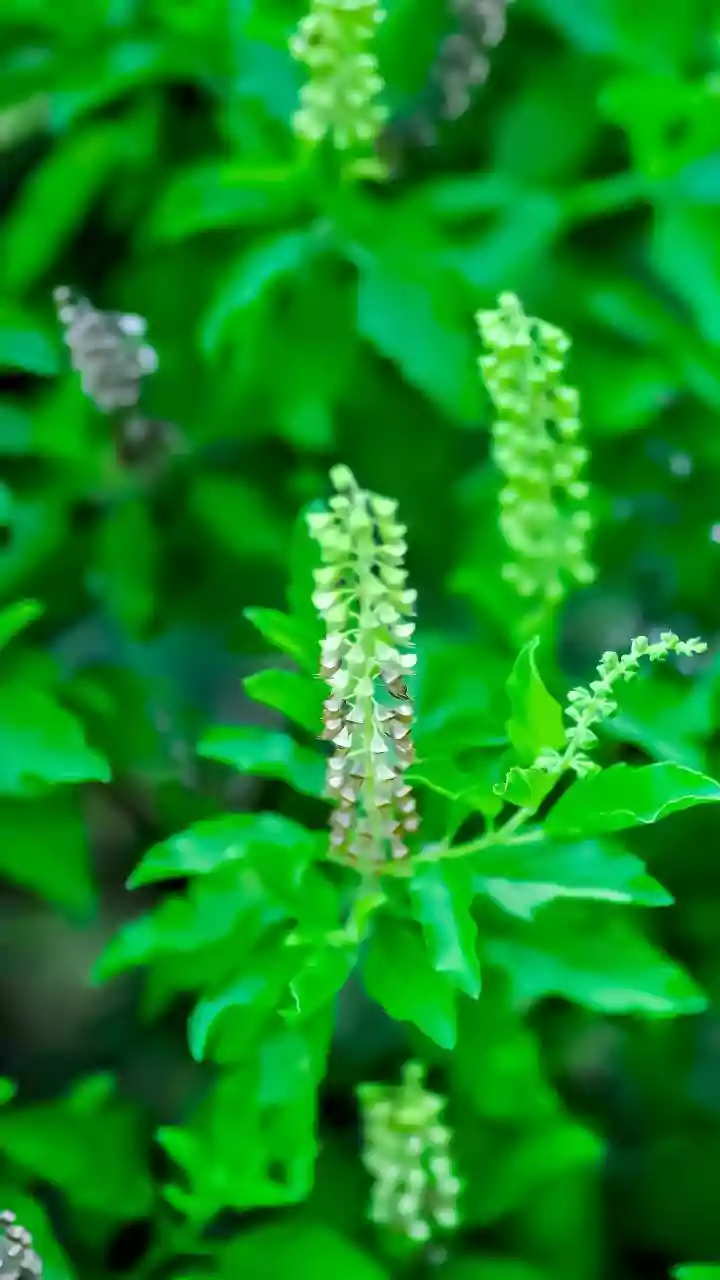
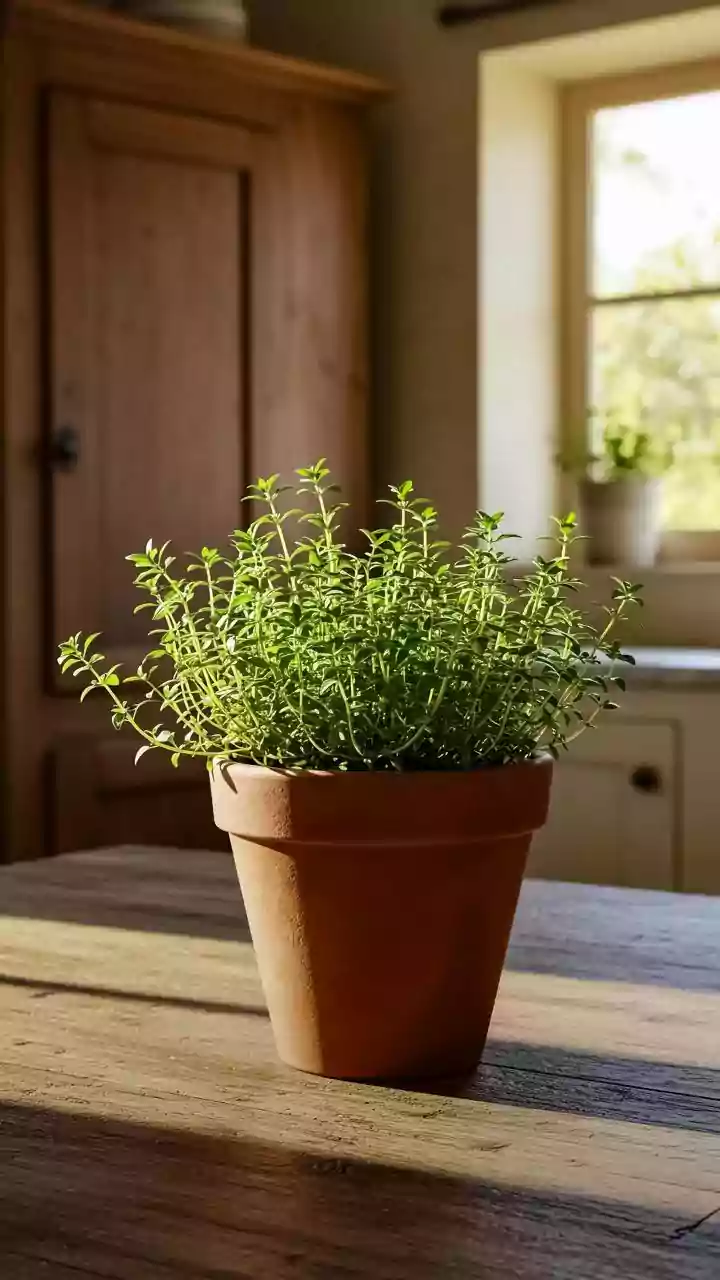
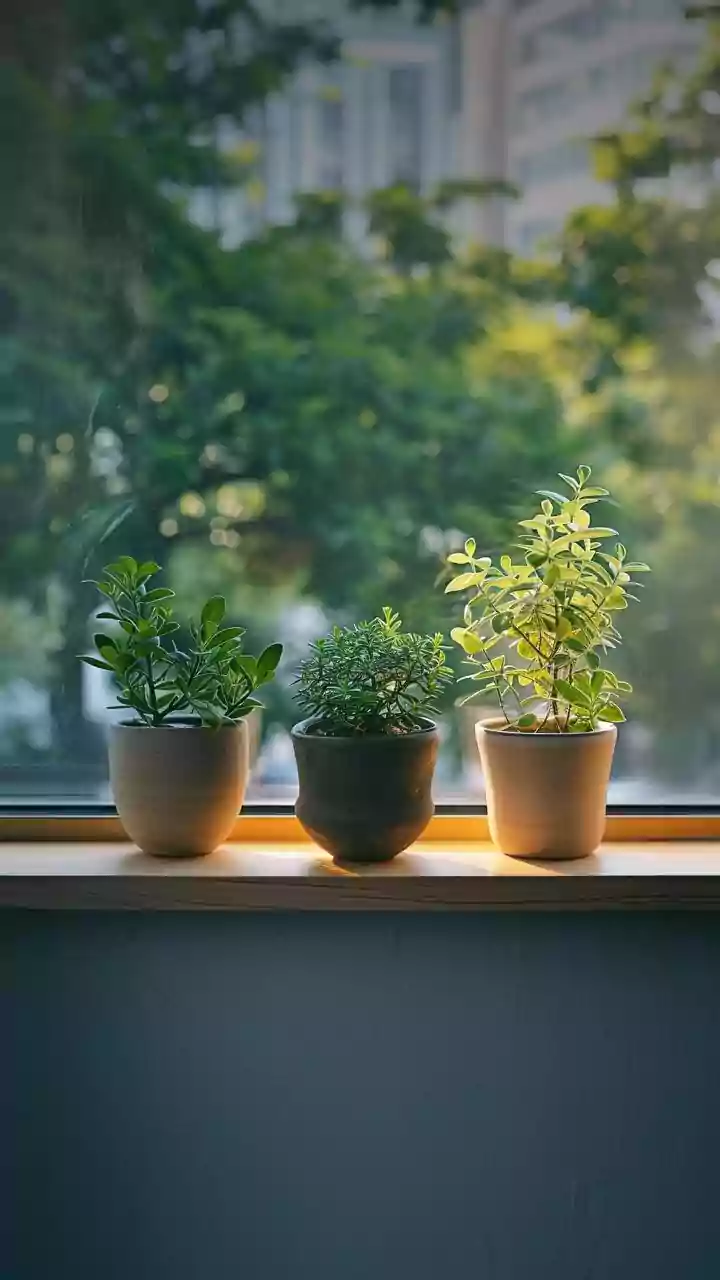
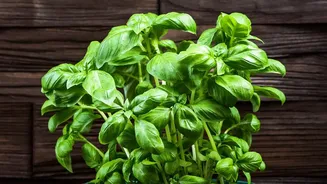
Starting an herb garden is surprisingly simple. These three herbs are particularly well-suited to the Indian monsoon and are perfect for beginners: 1. Tulsi (Holy Basil): Revered in Indian culture for its medicinal properties, Tulsi grows vigorously during the monsoon. It's known to boost immunity and acts as a natural antibiotic. It needs well-drained soil and a sunny spot to flourish. A few fresh leaves in your morning tea can be a great way to start the day. 2. Mint (Pudina): This hardy herb spreads quickly in the cool, moist weather of the monsoon. In fact, it's so enthusiastic that it’s best grown in its own container to prevent it from taking over. Perfect for chutneys, raitas, or a refreshing glass of nimbu pani, mint is a must-have in any Indian kitchen garden. 3. Coriander (Dhania): No Indian dish feels complete without a garnish of fresh coriander. This herb loves the cool and moist conditions of the rainy season. It grows relatively quickly from seed, and you can start harvesting the leaves in just a few weeks. There’s nothing quite like the flavour of coriander picked moments before it’s added to a curry or dal.
From Pot to Plate: The Ultimate Reward
The benefits of a home herb garden go far beyond the convenience. There is a growing awareness among young Indians about the pesticides used in commercially grown produce and the environmental cost of food miles. Growing your own herbs is a direct answer to these concerns, providing fresh, chemical-free ingredients that are packed with flavour and nutrients. Homegrown herbs are often more potent and aromatic because they are harvested right when you need them, retaining all their valuable compounds. This pot-to-plate journey not only enhances your cooking but also deepens your connection to the food you eat, making every meal a little more meaningful. It’s a small step towards a more sustainable and healthy lifestyle that offers immense satisfaction.
More Than Just a Hobby
Urban farming, even on a small scale, is becoming a significant movement in India, driven by a desire for better health and a stronger connection to community and culture. Social media platforms are filled with thriving online communities where new gardeners share tips, celebrate their harvests, and troubleshoot problems, making the hobby more accessible and less intimidating than ever before. This cultural shift is also supported by a growing market for urban gardening supplies, from specialised potting mixes to organic fertilisers, all easily available online. Ultimately, tending to a small patch of green on a balcony does more than just produce herbs; it cultivates mindfulness, reduces stress, and creates a small, personal sanctuary in the midst of a bustling city.