


The Case for Raw: Crunchy and Convenient
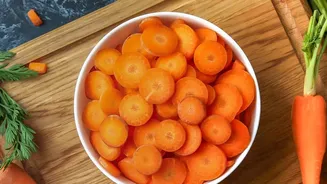
There’s an undeniable satisfaction in the crisp snap of a raw carrot. Eaten raw, carrots are a fantastic source of fibre, which can aid digestion and help you feel full. This preparation method is also the best way to preserve certain heat-sensitive nutrients.
Specifically, Vitamin C, which is crucial for immune function and skin health, is at its most potent in raw carrots because cooking can cause it to break down. Whether you’re grabbing a whole carrot for a snack, dipping sticks into hummus, or shredding them into a salad, going raw is the quickest and easiest way to enjoy this root vegetable. Plus, the fibrous texture acts as a natural toothbrush, scrubbing your teeth as you chew.
The Rise of the Raw Carrot Salad
Recently, the raw carrot salad has become a viral sensation, celebrated not just for its simplicity but also for purported health benefits. Enthusiasts, inspired by the ideas of researchers like Dr. Ray Peat, suggest that the specific fibres in raw carrots may help with hormonal balance. While scientific validation on these specific claims is ongoing, there is no denying the appeal of a fresh, vibrant salad. A popular version involves creating carrot ribbons with a vegetable peeler and tossing them with a simple dressing of apple cider vinegar, a healthy oil like olive or coconut oil, and a pinch of sea salt. Variations abound, with additions like fresh herbs, sesame seeds, or a touch of ginger to elevate the flavour.
The Case for Cooked: Unlocking Nutrients
When you apply heat to carrots, a fascinating transformation occurs. The cooking process breaks down the tough cellular walls of the vegetable. This is particularly important for one of the carrot's most famous nutrients: beta-carotene. Your body converts beta-carotene into Vitamin A, which is essential for vision, immune support, and bone growth. Studies have shown that the bioavailability of beta-carotene increases significantly in cooked carrots. In fact, your body may absorb substantially more of it from cooked carrots than from raw ones. Cooking also mellows the carrot’s flavour, bringing out a deeper, earthy sweetness that many people prefer.
How to Cook for Maximum Benefit
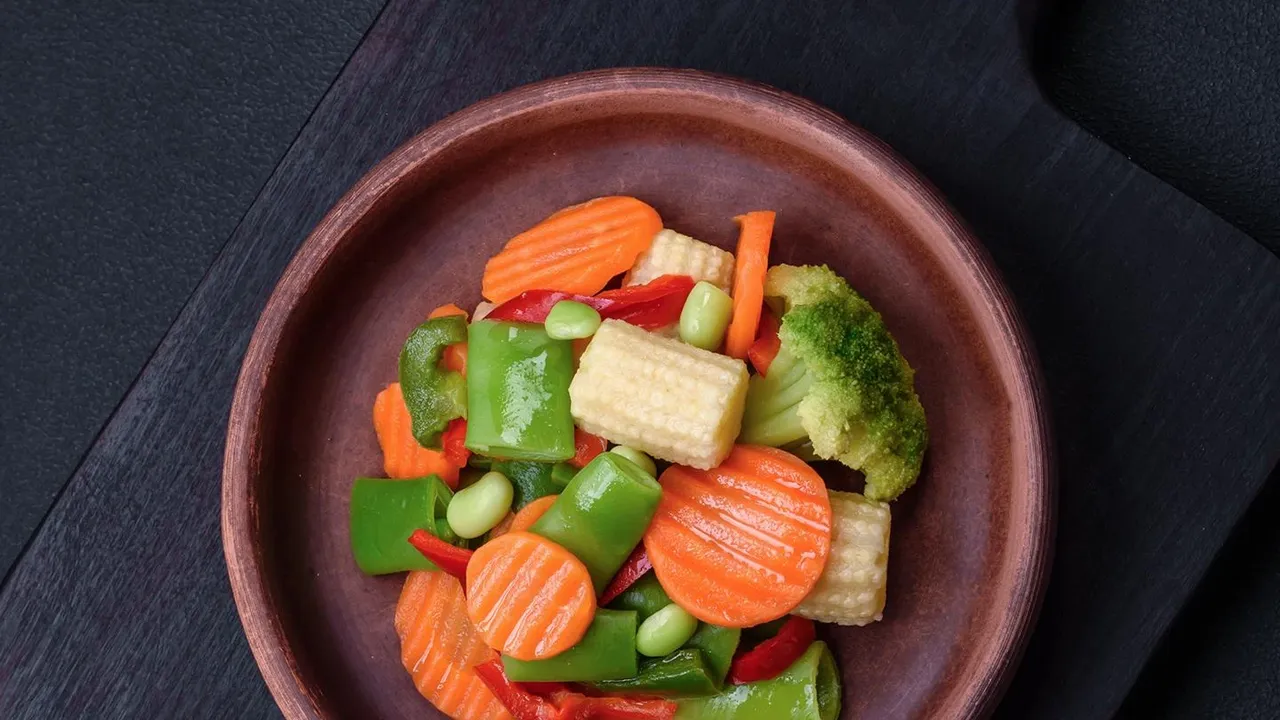
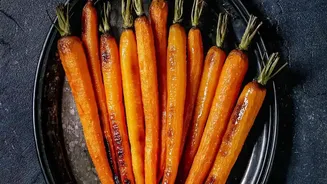
The cooking method you choose matters. Boiling can cause some water-soluble vitamins, like Vitamin C, to leach out into the water. If you do boil them, it's recommended to do so with the skin on and before slicing to minimise nutrient loss. Steaming is a better option, as it tends to preserve more nutrients. Roasting and sautéing are excellent methods, especially when a little healthy fat is involved. Since beta-carotene is a fat-soluble nutrient, pairing cooked carrots with a fat source like olive oil can dramatically increase its absorption. Roasting carrots at a high temperature until they are tender and slightly caramelised is a simple way to create an irresistible side dish.
Beyond Boiling: Delicious Cooked Carrot Ideas
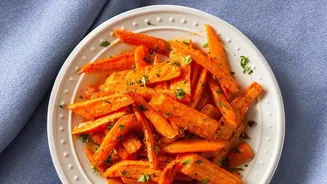
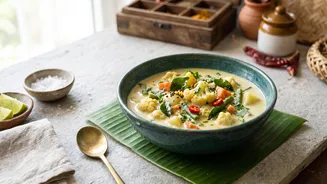
Forget bland, mushy carrots. One of the simplest and most delicious methods is roasting. Toss sliced or whole baby carrots with olive oil, salt, and pepper and roast at around 200-220°C until tender and golden. For a sweeter touch, try making glazed carrots. This can be done on the stovetop by simmering carrots in a mixture of butter, a touch of brown sugar or honey, and water until the liquid evaporates, leaving a beautiful glaze. You can also achieve a similar caramelised effect by roasting them with the glaze ingredients. Carrots are also a foundational ingredient for soups, stews, and purees, adding both sweetness and body.