




Beyond the Basics: Why Better Labels Matter
Properly labeling food before it enters the deep freeze is about more than just avoiding the disappointment of mistaking gravy for chocolate gelato. It’s a powerful strategy to reduce food waste, save money, and streamline mealtime. A good label allows
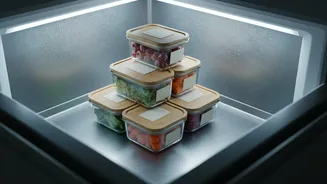
you to practice the 'First-In, First-Out' (FIFO) method, ensuring older items are used first, preserving their quality and nutritional value. Without clear dates and contents, food often gets lost in the icy depths until it's too old, freezer-burned, and destined for the bin. Effective organization starts with a simple label, turning your freezer into an efficient, easy-to-navigate extension of your pantry.
The Anatomy of a Perfect Freezer Label
A truly useful label needs more than just a name. For maximum clarity and future convenience, every label should contain three core pieces of information: the name of the food, the date it was frozen, and the quantity or portion size. For example, instead of just “Chilli,” a better label reads: “Beef & Bean Chilli, 24/07/2026, 2 adult portions.” This level of detail removes all guesswork. You know exactly what’s inside, how old it is, and whether it’s enough for tonight’s dinner. This clarity is the single biggest factor in whether a freezer meal actually gets used.
Portion Size: Your Future Self Will Thank You
Specifying the portion size is a step many people skip, but it’s a game-changer for meal planning. Noting whether a container holds a single serving, a family-sized meal, or a specific measurement (e.g., “1 litre of chicken stock”) makes pulling items for a recipe incredibly efficient. It prevents you from thawing a massive block of soup when you only need a single lunch portion, or discovering you don't have enough sauce mid-way through cooking pasta. It’s a simple act of present-day prep that pays huge dividends in future time and effort.
Don't Forget Reheating Instructions
The final piece of the perfect label puzzle is reheating notes. This is crucial for maintaining the quality of your food and ensuring it’s handled safely. You might not remember the ideal way to reheat that specific curry in six months' time. Simple instructions like “Thaw overnight in fridge, reheat on stove” or “Cook from frozen, oven at 180°C for 25 mins” are invaluable. This is especially helpful if other family members might be preparing the meal. Concise instructions remove mental load and help guarantee that your carefully prepared meal is just as delicious on the second go.
The Right Tools for the Job
Regular pens and paper labels are no match for the cold, moist environment of a freezer. Adhesives can fail and ink can smudge, rendering your labels useless. For best results, use materials designed for the cold. A permanent marker is a reliable choice for writing directly on freezer bags or containers. For reusable containers, many pros and home cooks swear by a simple roll of masking tape and a permanent marker; it sticks well in the cold but peels off easily without leaving residue. If you want a more robust solution, look for freezer-grade labels, which are made with adhesives and materials that remain flexible and adhered at low temperatures. Whatever you choose, the key is to apply the label to a clean, dry, room-temperature container before filling and freezing for the best adhesion.