




Not Waste, But Wealth
The concept of 'zero waste' might be a modern buzzword, but the philosophy behind it is deeply woven into the fabric of traditional Indian cooking. For generations, our grandmothers and their mothers before them ran kitchens with astounding efficiency
and thrift. Nothing was wasted. This wasn't just about saving money; it was a philosophy rooted in respecting food and understanding that every part of an ingredient has value. The now-trending peeling chutneys, or 'thogayals' and 'pachadis' as they are known in various parts of India, are a perfect embodiment of this principle. What we might see as 'waste'—the fibrous skins of gourds, the thin peels of potatoes—was seen as a source of nutrition and, more importantly, a unique flavour profile waiting to be unlocked. This revival isn't just about sustainability; it's a delicious rediscovery of ancestral wisdom.
The Most Popular Peels to Use
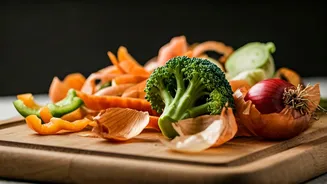
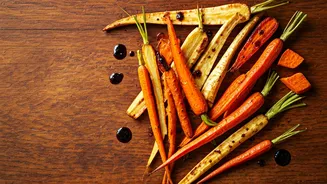
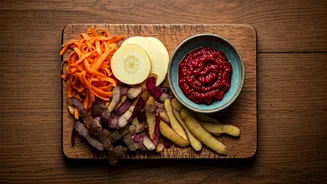
Not all peels are created equal, but many common Indian vegetables offer skins that are perfect for chutney. The undisputed star is the ridge gourd (known as 'tori' in the north and 'beerakaya' in the south). Its ridged skin, which can be tough to eat otherwise, becomes tender and flavourful when cooked and ground, offering a unique, slightly sweet and earthy taste. Bottle gourd ('lauki' or 'doodhi') peels offer a milder, more delicate flavour. Potato peels, when roasted until crisp, add a wonderful texture and nutty taste. Even the peels of raw bananas, apples, and carrots can be transformed. The key is to use peels from vegetables with a firm structure. These skins are often rich in fibre and nutrients located just beneath the surface, making these chutneys not just resourceful but also healthy.
The Basic Chutney Blueprint
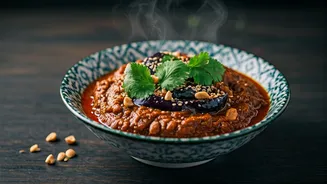
The beauty of a peeling chutney lies in its forgiving and adaptable nature. While recipes vary by region and household, the core method is simple. First, wash the peels thoroughly. The general process involves sautéing the peels in a little oil until they soften and lose their raw taste. This is the most crucial step to develop flavour. Along with the peels, aromatics like garlic, ginger, and green or red chillies are fried. A souring agent is essential for balance—a small piece of tamarind is traditional, but lemon juice or even tomatoes can work. Often, a spoonful of lentils like urad dal or chana dal is roasted in the pan to add body and a nutty complexity. Once everything is cooked and cooled, it's ground into a paste—coarse or smooth, based on your preference—with salt and a little water. The final flourish is the 'tadka' or tempering: mustard seeds, cumin seeds, and curry leaves sizzled in hot oil and poured over the chutney. This simple act elevates the dish, adding a final layer of aromatic flavour.
Tips for From Peel to Perfection
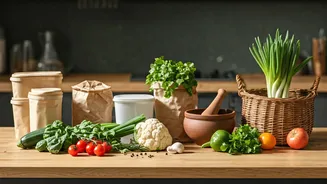
Ready to try it yourself? Keep a few things in mind for the best results. First, always wash your vegetables thoroughly before peeling, especially if they aren't organic. You can collect peels in an airtight container in the fridge for a couple of days until you have enough to make a batch of chutney. When you're cooking the peels, don't rush. Allowing them to roast properly removes any bitterness and deepens the flavour. Taste and adjust the seasoning at the end. Does it need more salt to bring out the flavours? A bit more lemon juice or tamarind for tartness? A little jaggery to balance the spice? Don't be afraid to experiment. A ridge gourd peeling chutney is fantastic mixed with hot rice and a dollop of ghee, while a potato peel chutney can be a brilliant accompaniment to dosas and idlis.