


That uncomfortable, heavy feeling of bloating can disrupt anyone's day. But what if the secret to better digestion isn't in a supplement bottle, but in the comforting, traditional foods found in Indian kitchens across the country?
The Ancient Magic of Fermentation
For centuries, fermentation
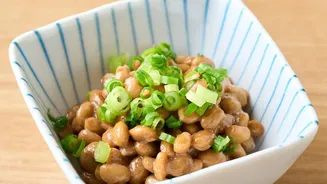
was a way to preserve food long before refrigeration existed. Today, science shows us this ancient technique does much more. Fermentation is a natural process where microorganisms like beneficial bacteria and yeasts break down the sugars and starches in food. This process not only enhances flavour and texture but also transforms the food into a nutritional powerhouse that can be easier for our bodies to handle. These beneficial microbes, often called probiotics, are key to a healthy gut. By pre-digesting complex components in the food, fermentation makes nutrients more available for our bodies to absorb and can ease the digestive process.
A Happy Gut for a Healthier You
Your digestive system is home to trillions of microorganisms, collectively known as the gut microbiome. A healthy, diverse microbiome is crucial for everything from efficient digestion and nutrient absorption to a strong immune system and even mood regulation. When the 'bad' bacteria outnumber the 'good', it can lead to issues like bloating, gas, and indigestion. Fermented foods help restore this delicate balance by introducing live, beneficial bacteria (probiotics) into your system. These good bacteria help crowd out harmful ones, strengthen the gut lining, and can reduce inflammation, contributing to overall digestive wellness.
Idli & Dosa: The Probiotic Power Duo
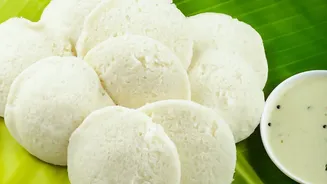
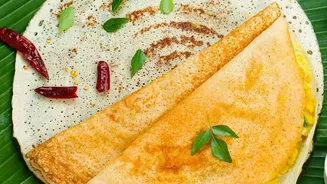
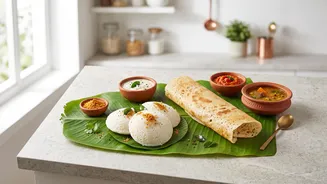
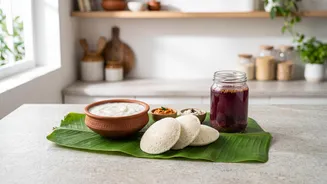
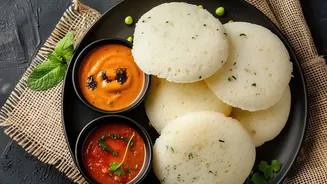
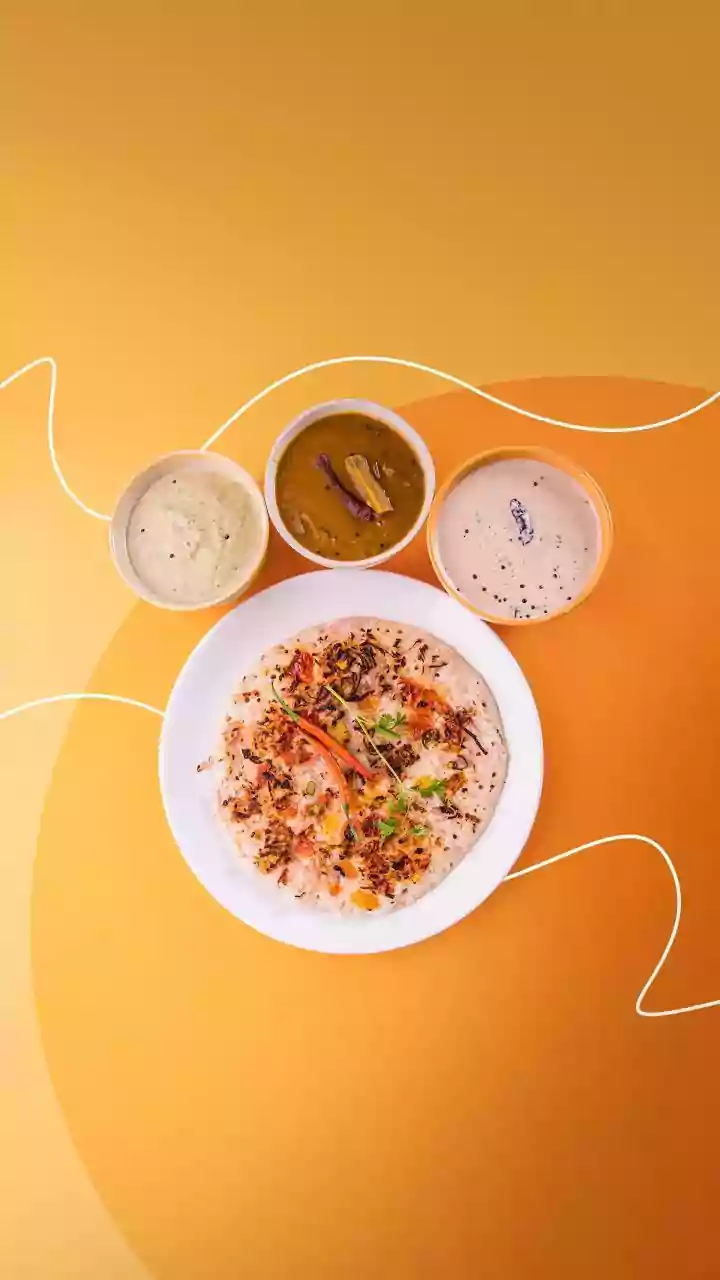
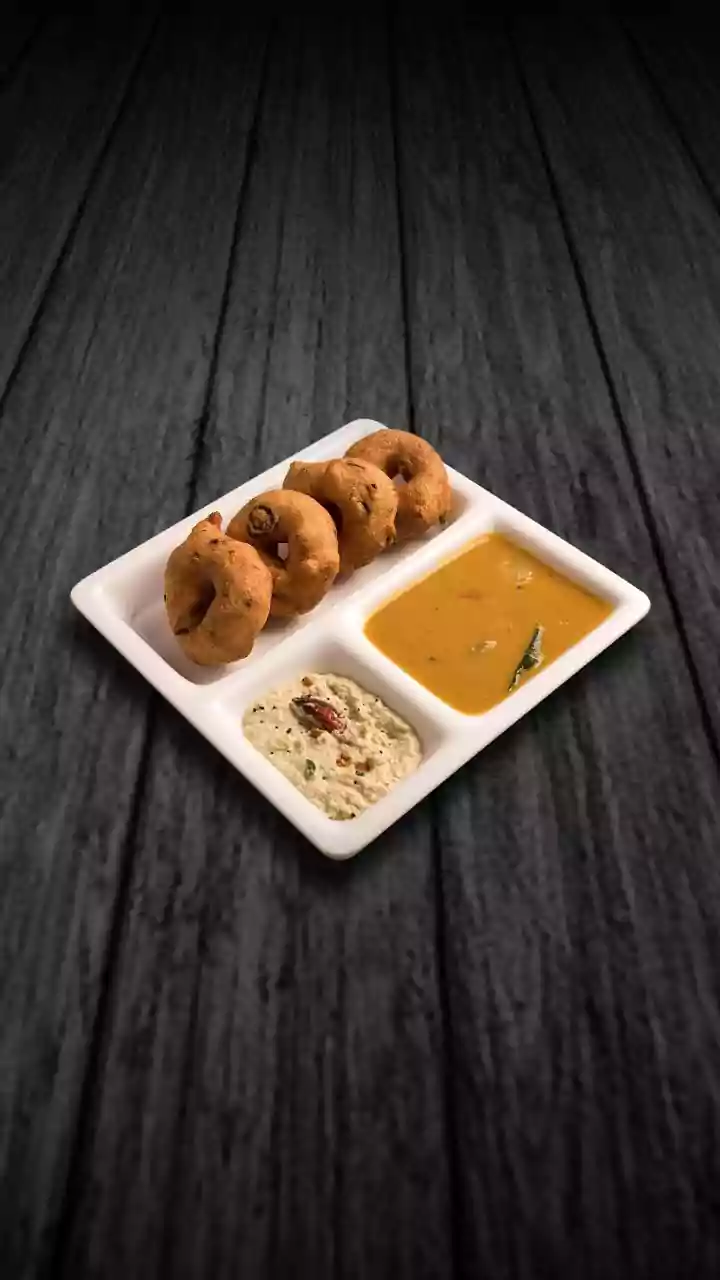
Perhaps the most beloved fermented foods in India, idli and dosa are more than just a delicious breakfast. They are made from a batter of rice and urad dal (black lentils) that is left to ferment for several hours. This fermentation process creates a rich culture of lactic acid bacteria. These probiotics make idli and dosa incredibly easy to digest because the bacteria have already started breaking down the carbohydrates. This pre-digestion means less work for your stomach, which can significantly reduce feelings of heaviness and bloating. Regular consumption can help maintain a healthy balance of gut flora, supporting both digestion and immunity.
Dhokla: The Spongy, Gut-Friendly Snack
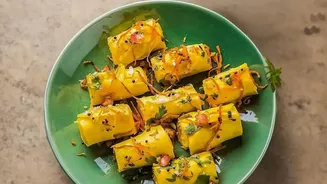
This light, spongy snack from Gujarat is another excellent example of a fermented comfort food. Dhokla is typically made from a fermented batter of gram flour (besan) or a mix of rice and lentils. The fermentation process not only gives dhokla its signature airy texture but also packs it with probiotics. Because it's steamed and not fried, it’s a light option that is gentle on the digestive system. The beneficial bacteria developed during fermentation aid in breaking down the food efficiently, making it a great choice for a snack that won't leave you feeling bloated.
Dahi: The Everyday Digestive Aid
Homemade curd, or dahi, is a staple in most Indian households and one of the simplest ways to consume beneficial probiotics daily. Dahi is rich in live bacterial cultures, particularly Lactobacillus, which are known to support a healthy gut lining and improve digestion. Enjoying a small bowl of dahi with your meals can help soothe the digestive tract, cool the body, and reduce issues like acidity and bloating. It also helps in the breakdown of food, ensuring better nutrient absorption and smoother digestion.
Traditional Achaar: A Tangy Probiotic Boost
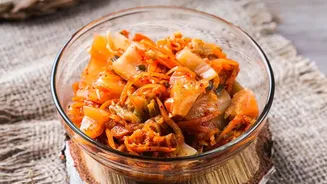
While many store-'bought pickles are preserved in vinegar, traditionally made Indian achaars are often lacto-'fermented. This means they are preserved using salt, spices, and sunlight, a process that encourages the growth of beneficial probiotic bacteria. These pickles, especially varieties like lemon or green chilli, can be a potent source of digestive enzymes and probiotics that help break down food and support gut health. However,' it's important to choose naturally fermented pickles and consume them in moderation due to their high salt content. Look for brands that specify they are 'naturally fermented' and not vinegar-'based.