




Why Starting Slow is Smart
When you decide to get active, enthusiasm can make you want to jump into intense workouts immediately. However, for heavier individuals, this 'all or nothing' approach can backfire. Extra body weight increases the force on your joints, like your knees,
hips, and ankles. High-impact activities can create impact forces of two to three times your body weight with every step. Starting slowly with low-impact exercises is not a sign of weakness; it's a smart strategy. It allows your muscles, joints, and cardiovascular system to adapt gradually, building a solid foundation of strength and endurance without causing unnecessary strain or injury. This approach helps prevent the soreness and pain that can derail your motivation before you've even truly begun.
Finding Your 'Comfortable' Intensity
But what does 'comfortable intensity' actually mean? It's less about specific numbers on a machine and more about how your body feels. The 'talk test' is a simple, effective way to gauge your effort without any special equipment. If you can talk comfortably in full sentences while exercising, you're likely at a moderate intensity, which is perfect for beginners. If you can't say more than a few words without pausing for breath, you're pushing into vigorous territory and should probably ease off. This simple self-check ensures you're challenging your body enough to see benefits without pushing it to the point of exhaustion or injury. The goal is to feel like you're working, but not struggling to breathe.
Embrace Low-Impact Exercises
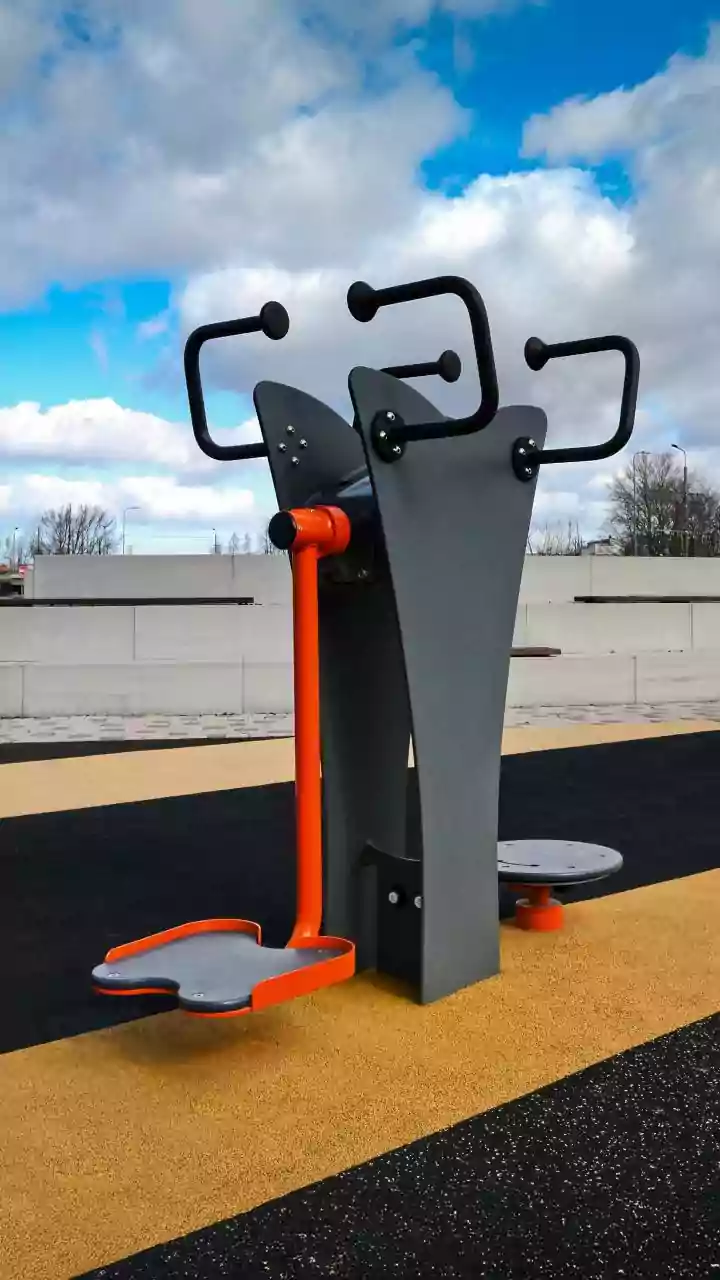
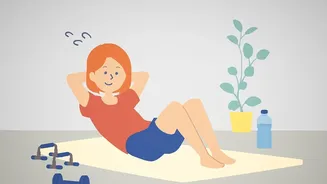
Low-impact exercises are your best friend when starting out. These activities minimise stress on your joints while still providing an excellent cardiovascular workout. Walking is perhaps the most accessible and effective low-impact exercise for beginners. Other fantastic options include swimming or water aerobics, where the water supports your body weight, making movement feel easier and reducing joint strain. Stationary cycling, whether on a traditional gym bike or an elliptical machine, is also a great joint-friendly choice that builds strength and endurance. Even bodyweight exercises like squats and lunges can be modified to reduce strain, such as by performing them in a chair or reducing the range of motion.
Listen To Your Body's Signals
Learning to differentiate between the normal discomfort of working muscles and the sharp signal of pain is crucial. Muscle soreness after a new activity is normal and usually subsides in a few days. However, sharp, stabbing, or persistent pain in your joints is a sign to stop and rest. Never push through joint pain, as it can lead to injury. Rest and recovery are just as important as the exercise itself. Don't feel pressured to work out every single day. Alternating activity days with rest days allows your body to repair and get stronger. If a particular movement doesn't feel right, stop and find an alternative. Your body will thank you for it.
Consistency Beats Intensity
The most successful fitness journeys are built on habit, not on a few punishing workouts. Finding an activity you genuinely enjoy is key to staying consistent. Maybe it's dancing in your living room, walking in a local park, or joining a beginner's yoga class. When exercise feels like a pleasure rather than a chore, you're more likely to stick with it. Remember that the goal in the beginning is not to burn the maximum number of calories in the shortest amount of time. The goal is to build a consistent, sustainable routine that makes you feel good. Start with 15-20 minutes a day and gradually increase the duration as you feel stronger and more confident. Progress, not perfection, is the aim.