






1. The Indian Crude Basket Price
This is the big one, the starting point for almost everything. The Indian Crude Basket is the average price India’s refineries pay for crude oil. It's a mix of different types of oil that reflects our country's import sources. When you hear that geopolitical
tensions or supply chain issues are pushing oil prices up, this is the number that captures that volatility directly. As of early September 2026, the price was hovering near $100 per barrel. This figure is a crucial lead indicator; a sustained increase here will inevitably translate to higher costs for consumers down the line. Tracking this price gives you a preview of whether the fuel prices at the pump are likely to go up or down in the coming weeks.
2. Petrol and Diesel Prices in Your City
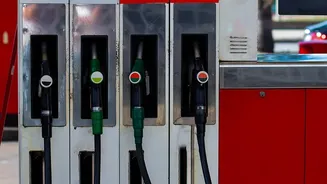
This is the most direct and visible impact of rising oil costs. While global crude prices are a major factor, the final retail price of petrol and diesel is also determined by central and state taxes, dealer commissions, and refining costs. That's why prices can vary significantly from one city to another. For instance, on September 4, 2026, petrol was selling for around Rs 102 per litre in Delhi, while in Mumbai it was over Rs 111. Even when oil marketing companies keep prices stable for a period, high crude costs build pressure for an eventual hike. Watching the daily rates in your city is the clearest way to see how much extra you're spending on transportation.
3. The Cost of a Domestic LPG Cylinder
For millions of Indian households, the price of a 14.2 kg domestic LPG cylinder is a cornerstone of the monthly budget. Like petrol, its price is linked to international energy markets. While oil marketing companies sometimes hold domestic prices steady for months, commercial LPG prices often change more frequently, acting as a potential signal for future domestic rate revisions. In September 2026, the price of a domestic cylinder in major cities like Delhi and Mumbai was around Rs 942, a rate that had remained unchanged for a few months. However, commercial cylinder prices saw a hike at the beginning of the month. Keeping an eye on both domestic and commercial rates can help you anticipate changes in your cooking fuel expenses.
4. The Consumer Price Index (CPI)
Rising oil prices don't just make fuel more expensive; they make almost everything more expensive. This is where the Consumer Price Index, or CPI, comes in. It's the key measure of retail inflation in the country. When diesel prices rise, the cost of transporting goods—from vegetables to electronics—goes up. This added cost is passed on to consumers, pushing up the prices of everyday items. The latest data for July 2026 showed India's headline inflation rate rose to 4.45%, partly due to rising energy prices. The food and beverages category and the transport category are particularly sensitive. Watching the monthly CPI figure tells you how broadly the pinch of oil prices is being felt across the entire economy and your budget.
5. Your Monthly Electricity Bill
The connection between oil and your electricity bill might seem less direct, but it's significant. While coal is India’s primary source for power generation, many power plants use natural gas or oil, especially to meet peak demand. Furthermore, the cost of transporting coal to power plants increases when diesel prices are high. This raises the operational costs for power generation and distribution companies (DISCOMs), who may then pass these costs on to consumers through higher tariffs. Reports have consistently shown that spikes in fossil fuel prices often lead to an increase in electricity tariffs for both households and industries. If you notice your electricity bill creeping up, it could be an indirect consequence of the same forces driving up prices at the petrol pump.