
The Science of Small Spaces
The core issue comes down to physics and biology. Small pots hold a very limited volume of soil, which serves as a plant's only reservoir for water and nutrients. Unlike a plant in a garden bed, which can send roots deep into the earth searching for moisture,
a container plant is entirely dependent on what's inside its pot. In a small container, this reservoir is depleted incredibly quickly. There's simply less soil to hold onto water, and the plant's roots, once they fill the space, can drink the available moisture in a matter of hours on a hot day. This makes them far more vulnerable to drying out than plants in large tubs, which have a much bigger buffer.
Water Woes and Temperature Swings
A smaller soil volume doesn't just mean less water storage; it also means the soil is more susceptible to environmental changes. The sides of a pot absorb heat from the sun, essentially baking the soil inside. In a small pot, this temperature change happens much faster because there is less soil to act as insulation. Dark-colored and thin plastic pots are especially prone to this, heating up rapidly and causing moisture to evaporate from the inside out. This heat stress on the root system, combined with faster water loss, puts the plant in a precarious position, particularly during hot summer months when you're most likely to be away.
Your Pre-Holiday Plant Checklist
The most important step before you leave is to give your plants a thorough and deep watering. Water each pot until moisture runs freely from the drainage holes. This ensures the entire root ball is saturated, giving your plants the best possible start. Do this the evening before or the morning of your departure. Next, move your small pots out of direct, intense sunlight. Grouping them together in a shadier, more sheltered spot can create a more humid microclimate and reduce moisture loss from wind and sun. If you have indoor plants, moving them away from sunny windows to a spot with indirect light will slow their water consumption.
Clever Watering Solutions
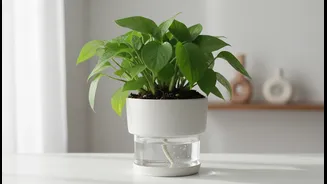
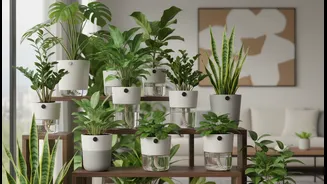
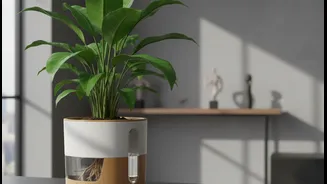
For trips lasting more than a few days, you'll need a system to replenish the water. One of the simplest DIY methods is a water wick. Place a large container of water next to your plant, slightly elevated. Submerge one end of a cotton rope or fabric strip into the water and push the other end several inches into the plant's soil. As the soil dries, it will draw water from the reservoir through the wick. Self-watering globes and spikes, which slowly release water from an inverted bottle, work on a similar principle and are excellent for individual pots. For a collection of plants, the 'bathtub method' can be effective: place a towel in the bottom of your tub, add an inch or two of water, and set your pots on top.
When to Call for Backup
For longer holidays, technology and DIY solutions might not be enough. The most reliable method is often the simplest: asking a friend or neighbour for help. To make their job easier, group the neediest small pots together and leave clear instructions. Ask them to check the soil moisture before watering to avoid drowning the plants. A quick walkthrough before you leave can prevent confusion and ensure your plant-sitter knows which containers are the top priority. Combining this with a self-watering system can provide an extra layer of security, reducing how often your helper needs to visit.