



The Moon: A Proving Ground for Deeper Space
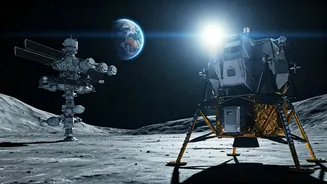
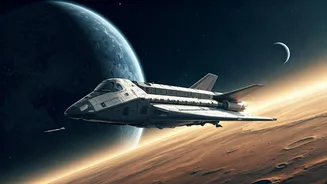
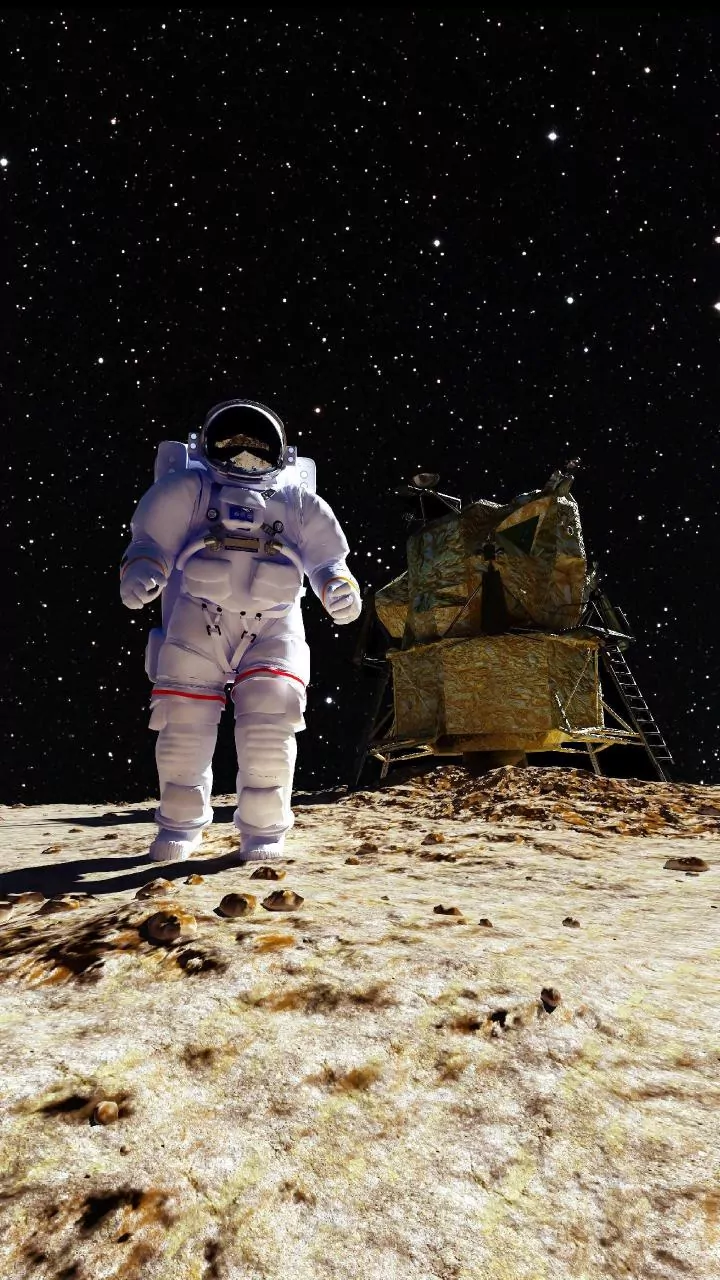
The return to the Moon, spearheaded by NASA's Artemis program, is fundamentally different from the Apollo-era space race. This time, the goal isn't just to plant flags and leave footprints, but to build a sustained presence. [30] The plan includes establishing
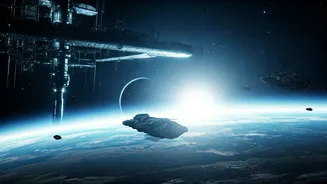
a permanent base and the Lunar Gateway, an orbiting space station around the Moon. [4, 9] This outpost will serve as a multi-purpose hub, allowing astronauts to conduct scientific research and, crucially, act as a staging point for missions into deeper space. [4, 12, 13] Technologies for long-duration spaceflight, resource utilization (like extracting water ice from lunar craters), and operations far from Earth are being tested. [30] In essence, every lunar mission today is also a rehearsal for the immense challenge of sending humans to Mars. [9, 32]
Mars: The Ultimate Scientific Prize
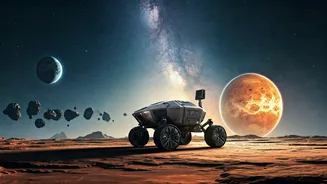
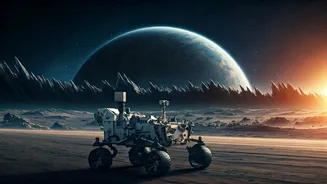
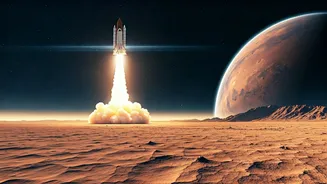
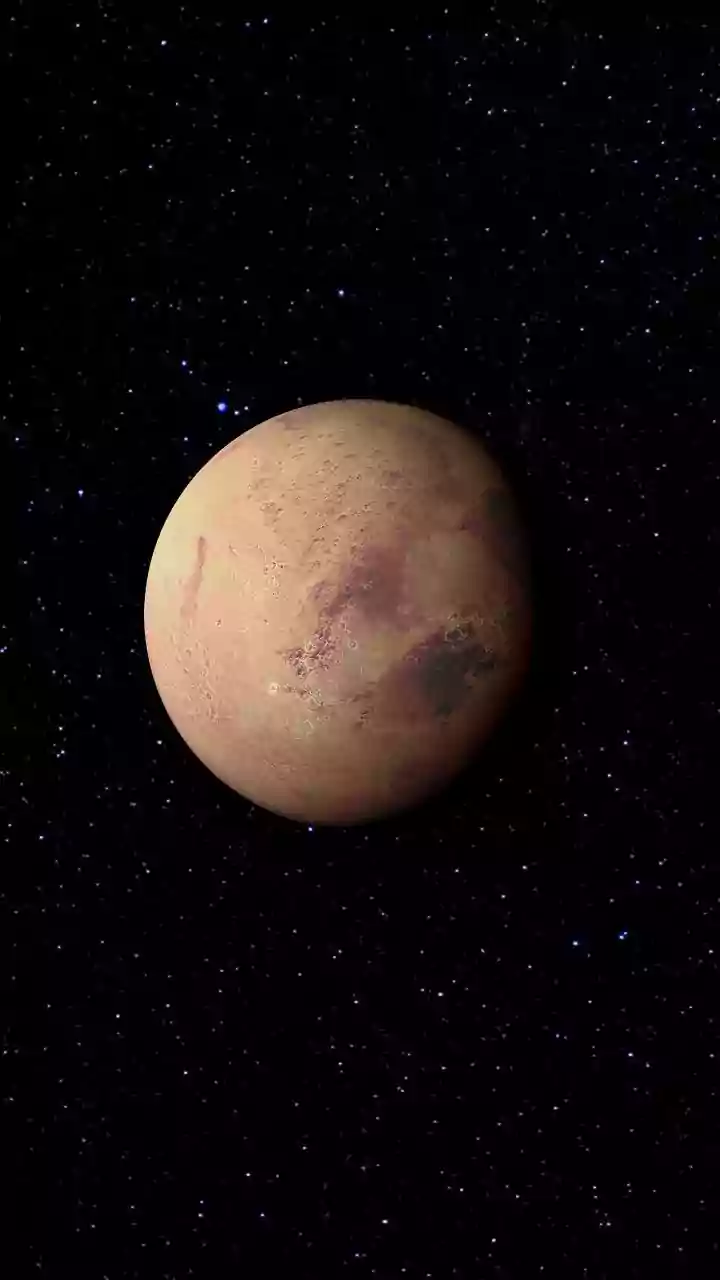
The Red Planet remains the most compelling destination for scientists searching for extraterrestrial life. [3, 18] A key goal for agencies like NASA is to determine if life ever arose on Mars by studying its geology and climate history. [5, 6, 8] Evidence suggests Mars once had a thicker atmosphere and liquid water, making it potentially habitable billions of years ago. [3] Understanding how Mars lost its water and became the cold desert it is today could offer profound insights into planetary evolution and even the future of Earth's own climate. [3] Missions are now focused on sample return—bringing Martian rocks back to Earth for detailed analysis that isn't possible with robotic rovers alone. [3, 7] This next step is seen as a game-changer in our quest to answer one of humanity's biggest questions. [3]
The New Frontier: Asteroids and Economic Ambition
Beyond the scientific allure of Mars lies the economic potential of the asteroid belt. [11] Asteroids are time capsules from the formation of our solar system, but they are also rich in resources. Some are packed with precious metals like platinum, while others contain vast quantities of water ice. This water can be converted into breathable air for astronauts or split into hydrogen and oxygen to create rocket fuel. [30] The concept of "in-situ resource utilization" (ISRU) is driving missions to explore and eventually mine these celestial bodies. Japan's Hayabusa2 mission has already returned samples from an asteroid, and NASA's OSIRIS-REx did the same. [21] Future missions, like China's Tianwen-2, are also targeting asteroids, signalling a strategic move towards a future space economy where resources are harvested in space for use in space. [7, 17, 20]
India's Deep Space Destiny
India is a major player in this new era of deep space exploration. Following the historic success of Chandrayaan-3 and the pioneering Mangalyaan orbiter, ISRO has ambitious plans. [24, 27] The upcoming Mangalyaan-2 (MOM 2) mission may feature a lander and even a helicopter, a significant step up from simply orbiting the planet. [25, 26] The objective is to conduct in-depth studies of the Martian surface, atmosphere, and geology. [14, 26] Furthermore, ISRO is setting its sights on Venus with the Shukrayaan-1 orbiter, aiming to unravel the mysteries of our planet's scorching twin. [14, 27] These missions, alongside the Gaganyaan human spaceflight program, demonstrate India's strategic intent to not just participate but to lead in key areas of planetary science and exploration. [27]
A New Geopolitical Landscape
Underpinning the scientific and economic motives is a layer of geopolitical ambition. Space exploration is once again a domain for demonstrating national power, technological prowess, and strategic vision. The United States is rallying nations under the Artemis Accords, a framework for cooperative lunar exploration. [31] Meanwhile, China is leading its own initiative, the International Lunar Research Station, with Russia as a key partner. [30] Nations are carving out niches and forging alliances. China's plans include not just a lunar base but also ambitious missions to Mars and the Jupiter system. [16, 17] This competitive-cooperative dynamic is accelerating innovation and pushing the boundaries of what's possible, ensuring that humanity's future is not confined to Earth, or even just its Moon.