



A World Beneath the Waves
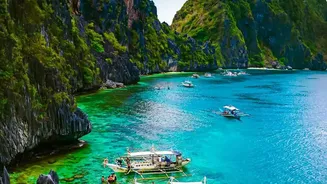
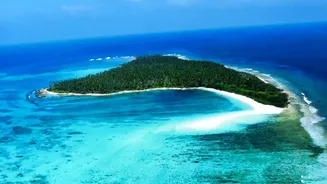
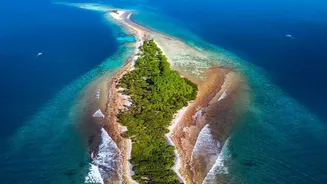
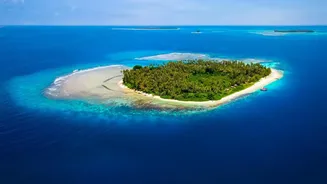
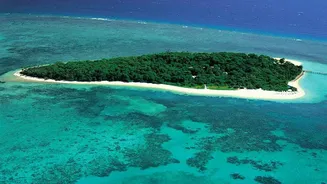
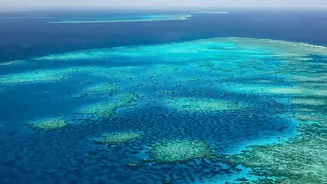
Lakshadweep is not just a collection of 36 islands; it is India's only coral atoll archipelago, a unique and fragile ecosystem built by tiny living organisms over millennia. These coral reefs are the heart of the islands, acting as natural barriers that
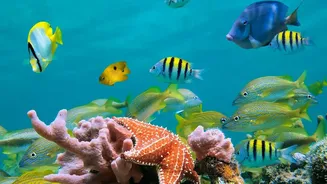
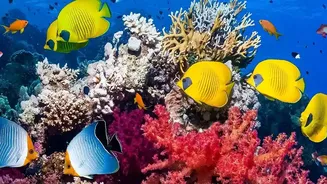
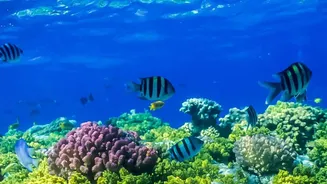
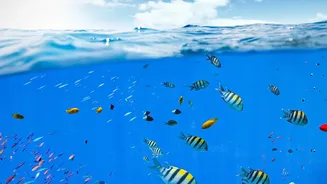
protect the land from erosion while supporting an incredible diversity of marine life. They are home to hundreds of species of fish and coral, making them underwater treasures of immense ecological value. However, this vibrant world is under threat. Rising sea temperatures have led to devastating coral bleaching events, while human activities like pollution and unchecked tourism can cause irreparable damage. Understanding this fragility is the first step in appreciating why protecting them is paramount.
Gateways to Preservation
The cornerstone of Lakshadweep's conservation strategy is a system of controlled tourism. Unlike many destinations, access to most of the islands is regulated through a mandatory entry permit system. This approach is designed to manage visitor numbers, preventing the kind of mass tourism that could overwhelm the delicate environment and local infrastructure. This isn't about exclusivity for its own sake; it's a carefully calibrated measure to maintain ecological balance. By limiting the number of people on the islands at any given time, the administration can reduce pressure on resources like fresh water and minimize waste, ensuring the environmental footprint of every visitor remains as light as possible.
Rules for Responsible Visitors
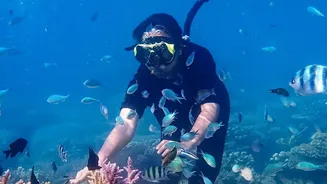
Once on the islands, visitors are expected to adhere to strict eco-friendly guidelines. A complete ban on single-use plastics is in effect to combat marine pollution, a significant threat to sea life and the cleanliness of the pristine beaches. Recreational activities like scuba diving and snorkeling are governed by rules to prevent harm to the reefs; tourists are educated on responsible practices, such as not touching or standing on the living coral. Furthermore, there are designated areas for water sports to contain the impact and allow other parts of the marine ecosystem to remain undisturbed. These regulations are part of a broader effort to ensure that tourism is not only enjoyable but also educational, fostering a deeper appreciation for conservation among visitors.
Community at the Helm
A key element of Lakshadweep's sustainable model is the active involvement of its local communities. The islanders have a deep, ancestral connection to the sea and are natural stewards of their environment. Tourism policy aims to integrate these communities, providing them with employment opportunities and a stake in the preservation of their natural heritage. The Society for Promotion of Nature Tourism and Sports (SPORTS), an agency of the local administration, works to ensure that tourism development benefits residents and aligns with their cultural values. This community-led approach fosters a sense of ownership and ensures that conservation efforts are grounded in local knowledge and supported by the people who call the islands home.
A Blueprint for the Future
Lakshadweep’s strategy is not static; it is an evolving blueprint supported by government initiatives like the Swadesh Darshan 2.0 scheme, which invests in sustainable destination development. The Department of Environment and Forest actively monitors the health of the coral reefs and marine life, implementing projects to protect vulnerable species like sea turtles. Ongoing scientific research helps inform policy, allowing the administration to adapt to emerging challenges like climate change and coral bleaching. Robust waste management systems and the promotion of eco-friendly infrastructure, such as solar power and rainwater harvesting in resorts, are also crucial components of this long-term vision to safeguard the archipelago’s ecological integrity.