




Your Body After the Feast
During festivals, we often eat richer foods in larger quantities than usual. Delicious as it is, this can put a strain on our digestive system. The combination of high-fat, high-sugar, and processed foods requires our body to work overtime. Your pancreas
produces extra insulin to manage blood sugar spikes, and your stomach deals with foods that are harder and slower to digest. This can lead to common feelings of bloating, lethargy, and general discomfort. It’s your body’s natural response to the sudden increase in workload. Understanding this isn't about guilt; it's simply biology. Your body is telling you it needs a bit of a break.
The Psychological Comfort of 'Less'
After a period of excess, the idea of a simple, smaller meal can be incredibly appealing. This isn't just about physical relief, but psychological comfort too. Overeating can sometimes lead to feelings of being overwhelmed or out of control. Choosing to eat a smaller portion is an act of intentionally moving back toward balance. It’s a quiet signal to yourself that you are listening to your body’s needs again. This gentle approach avoids the harsh cycle of feasting followed by fasting or extreme dieting, which can create more stress. Instead, it frames the reset as an act of kindness and self-care, not punishment.
How Smaller Portions Help Physically
Giving your digestive system a lighter load allows it to recover and function more efficiently. When you eat smaller, more manageable meals, your body doesn't have to divert as much energy and blood flow to digestion, which can help reduce that post-meal sluggishness. It helps stabilise blood sugar levels, preventing the sharp peaks and crashes that contribute to fatigue and cravings. This reset period can also help recalibrate your hunger cues. During festivals, we often eat for social or celebratory reasons rather than true hunger. Returning to smaller portions helps you reconnect with your body’s actual signals of hunger and fullness.
Crafting Your Gentle Reset Plate
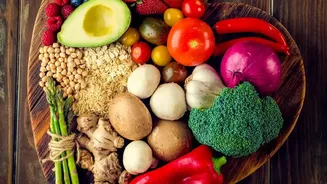
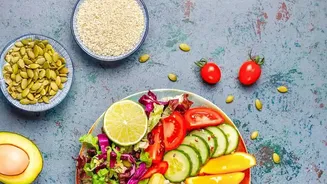
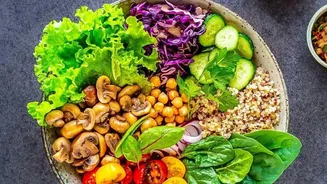
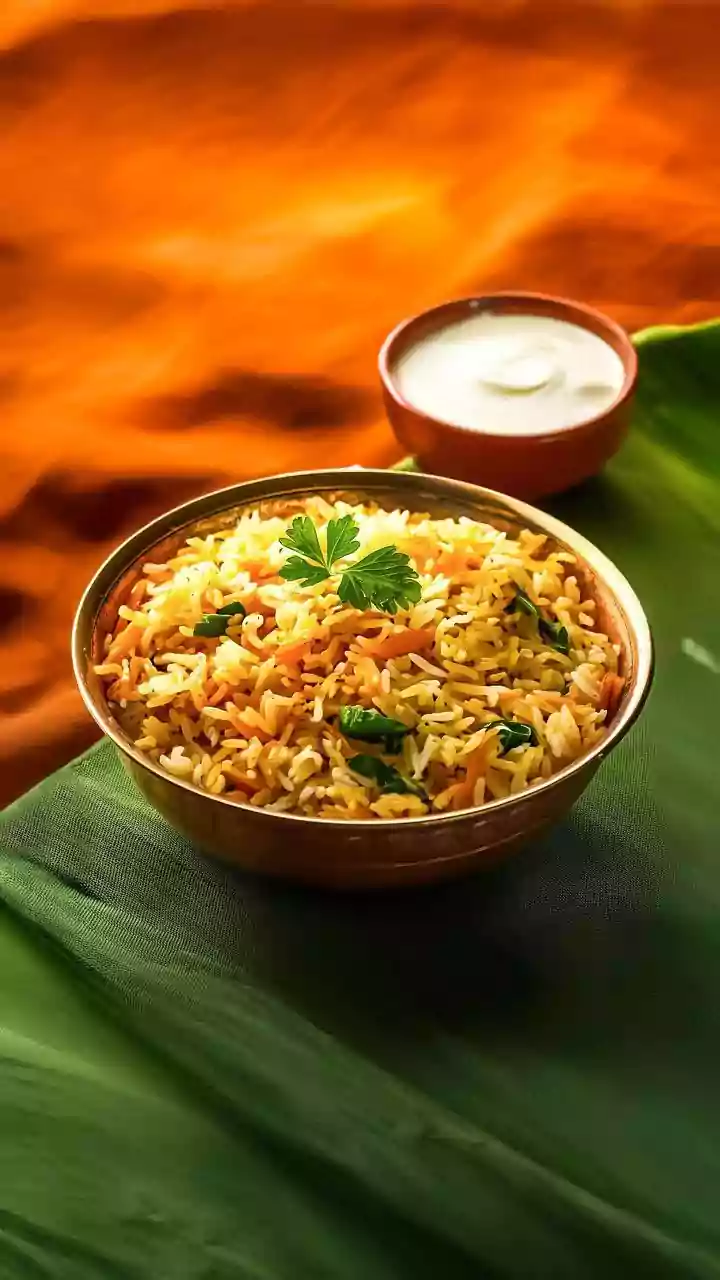
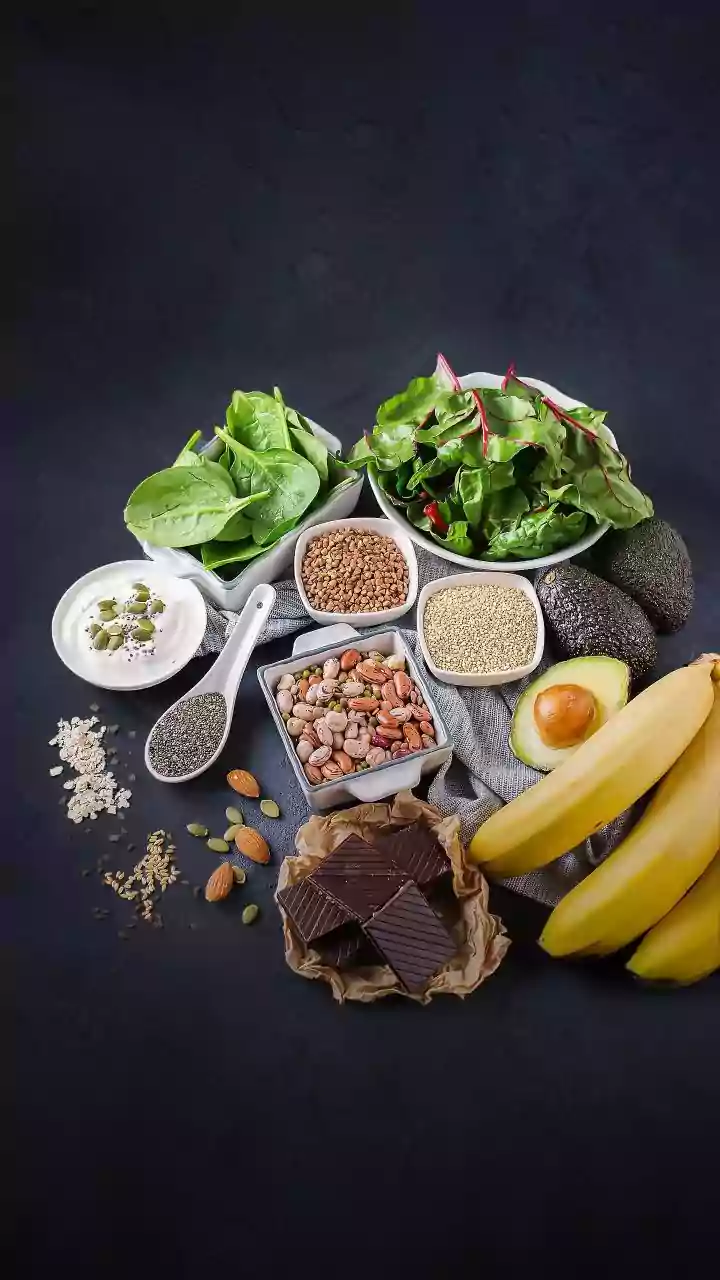
A gentle reset focuses on nutrient-dense, easy-to-digest foods. This doesn't mean a week of just salads. Think about simple, comforting meals. A bowl of dal and brown rice, or a vegetable-rich khichdi, can be both nourishing and light. Focus on including lean protein, plenty of fibre from fruits and vegetables, and whole grains. These foods provide sustained energy without overwhelming your system. Using a smaller plate can be a simple but effective visual cue to help manage portion sizes without having to meticulously measure your food. The goal is to eat until you feel satisfied, not stuffed.
More Than Just Food
A true reset involves more than just adjusting your plate. Hydration is key. After consuming extra salt and sugar, your body is likely dehydrated. Sipping on water, herbal teas, or coconut water throughout the day helps flush your system, aids digestion, and restores balance. Gentle movement is also beneficial. A short walk after a meal can aid digestion and boost your energy levels more effectively than napping on the sofa. Finally, prioritise rest. Festivals can disrupt sleep schedules, and getting adequate sleep is crucial for your body’s recovery and hormonal regulation.