




From Sightseeing to 'Experience-ing'
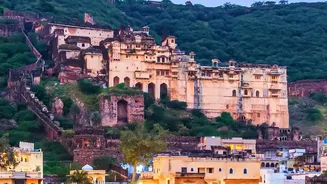
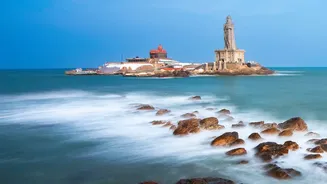
For decades, tourism in India was about seeing the sights: the Taj Mahal, the Gateway of India, the forts of Rajasthan. Today, there's a clear pivot from passive sightseeing to active 'experience-ing'. Indian travellers, particularly younger generations,
are no longer content with just a photo. They want to be immersed in a place. This has fueled the rise of experiential travel, a segment projected to become a dominant force in Indian tourism. It’s a move away from standardised hotel stays towards homestays, cultural workshops, and local culinary tours that offer a genuine connection to a destination. According to one report, a large majority of Indian travellers now prioritise cultural experiences when planning trips.
The Social Media Compass
This shift is being powerfully accelerated by digital discovery. Platforms like Instagram and YouTube have become the new travel agents, with over 89% of travellers using them for research and inspiration. An influencer’s 30-second Reel of a hidden waterfall in Meghalaya or a serene valley in Uttarakhand can spark more travel intent than a glossy brochure ever could. This digital compass is pointing travellers towards destinations that are visually stunning but not yet on the mainstream map. The desire for a unique, 'Instagrammable' moment, away from the crowds, is a significant driver in destination choice, especially for travellers under 40. This has democratised tourism, allowing small homestays and remote villages to gain national attention virtually overnight.
The Rise of the Offbeat Trail
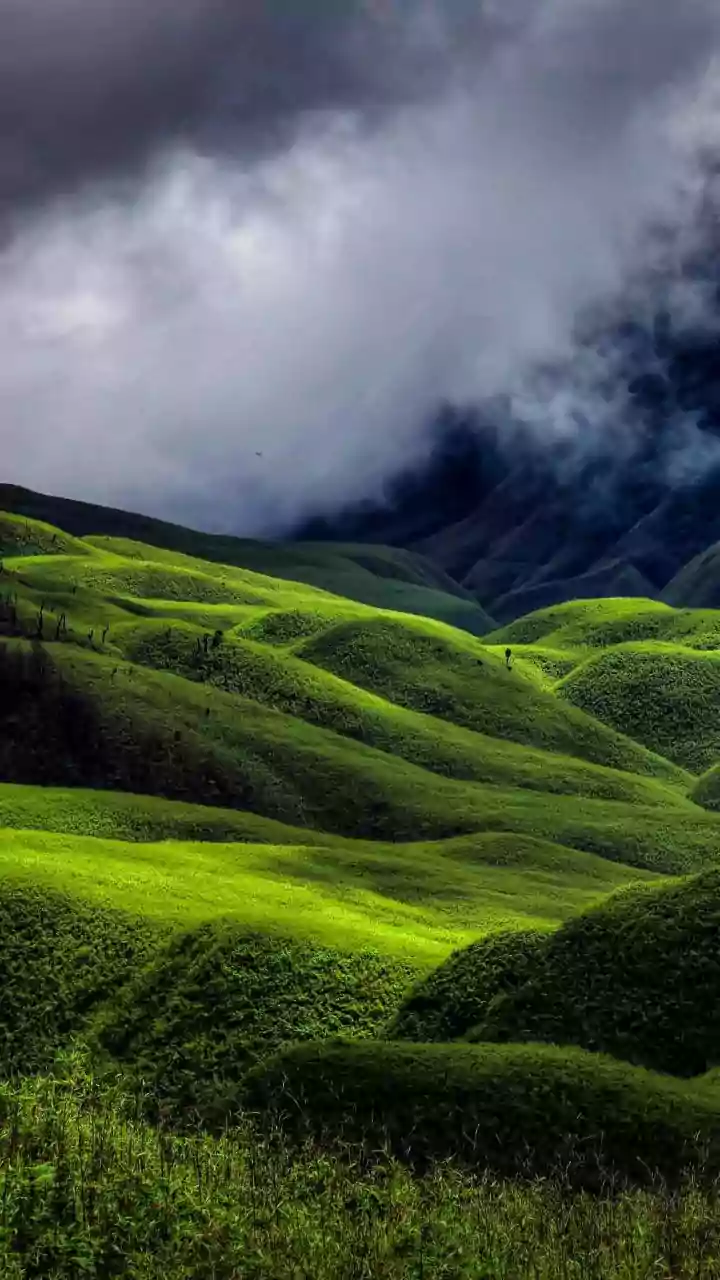
The result is a re-drawing of India’s tourist map. Overcrowding in traditional hotspots like Manali and Goa has led to a surge in searches for offbeat alternatives. Lesser-known destinations are seeing unprecedented interest. Travellers are venturing to the stark, high-altitude deserts of Spiti Valley, the lush rice paddies of Ziro in Arunachal Pradesh, and the tranquil backwaters of Kerala beyond Alleppey. Searches have grown for destinations like Chikmagalur and Karwar in Karnataka, Bhuj in Gujarat, and a cluster of towns in the Northeast, including Imphal, Aizawl, and Dibrugarh. These places offer what many now crave: space, quiet, and a sense of discovery.
A Search for Wellness and Slower Paces
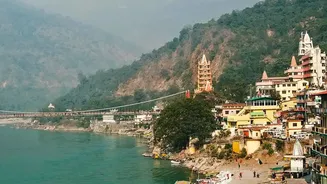
Beyond adventure, there's a growing demand for travel that restores. A recent survey revealed that 91% of Indian travellers want to spend time in places with beautiful natural scenery, with many stating their primary goal is to mentally unwind rather than check off attractions. This is fueling the growth of wellness retreats, spiritual journeys, and 'slow travel'. Travellers are seeking out destinations that offer a digital detox, like remote Himalayan villages or quiet coastal towns in Odisha and Tamil Nadu. The trend also includes 'micro-cations'—shorter, more frequent trips that provide a quick escape from urban life. This preference for relaxation and nature-first trips shows a deeper motivation to use travel as a tool for recovery and personal growth.
Sustainable and Conscious Choices
Hand-in-hand with the search for authenticity is a rising consciousness about the impact of travel. A significant majority of Indian travellers—as high as 97% in one survey—express a desire to travel more sustainably. This translates to choosing eco-friendly accommodations, supporting local communities and artisans, and respecting local culture. This isn't just about environmentalism; it's about seeking a more meaningful exchange. Tourists are showing more interest in village-based tourism and locally-owned businesses that allow them to contribute directly to the local economy while gaining a richer, more grounded experience.