



A Showcase of Stunning Diversity
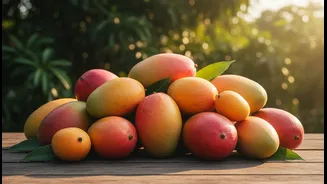
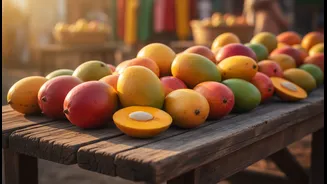
For many visitors, the most astonishing part of a mango festival is the sheer variety on display. While the average market might offer a handful of popular types, festivals like the International Mango Festival in Delhi or the Uttar Pradesh Mango Festival showcase
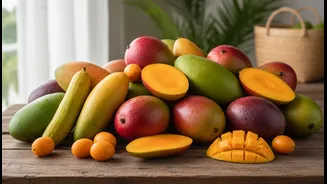
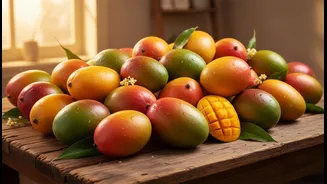
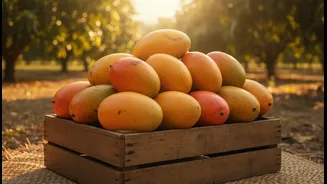
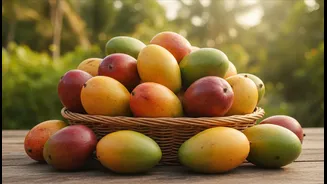
hundreds of cultivars. Visitors can see, smell, and taste an incredible spectrum of fruit, from the famed Alphonso and Dasheri to rare, regional heirlooms that rarely travel beyond their local orchards. These events serve as living libraries of India's rich mango heritage, displaying over 500 varieties in some cases. By celebrating this diversity, festivals play a vital role in preserving genetic lines that could otherwise be lost to commercial monocultures. They remind us that the world of mangoes extends far beyond the familiar, highlighting a deep-rooted cultural and agricultural legacy.
A Classroom for Climate Resilience
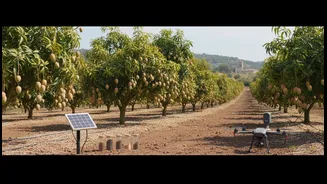
Beneath the joyful atmosphere, a serious conversation is taking place about the future of mango cultivation. Climate change poses a significant threat, with erratic rainfall, intense heatwaves, and shifting seasonal patterns impacting yields and fruit quality across the country. Farmers report that a few days of unseasonal weather during the critical flowering period can ruin a significant portion of their crop. Mango festivals are increasingly becoming forums for addressing these challenges. They provide a space for agricultural universities, government bodies, and horticulturists to share knowledge with farmers on climate-resilient practices. This includes discussions on water-efficient drip irrigation, integrated pest management to combat new threats, and techniques like the 'paper bagging' of fruits to protect them from pests and reduce the need for pesticides. These gatherings are turning into essential classrooms for adapting to a changing environment.
Connecting Growers and a Grateful Public
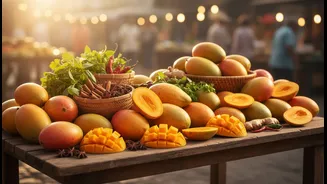
Perhaps one of the most significant functions of these festivals is the direct link they forge between farmers and consumers. By creating a vibrant marketplace, the events empower growers to sell their produce directly, often fetching better prices and bypassing layers of intermediaries. For small-scale farmers and Farmer Producer Organisations, this direct access is a powerful economic tool, boosting rural incomes. Recent festivals have seen farmers earn significant revenue in just a single day. At the Uttar Pradesh Mango Festival, a key stated goal was to enhance farmer incomes and boost exports, turning the celebration into a powerful engine for economic growth. It is a win-win situation: consumers get access to fresh, diverse produce straight from the source, and farmers gain recognition and a more substantial share of the profits for their hard work.
A Platform for a Sustainable Future
Ultimately, the modern mango festival is about more than just celebrating a fruit; it's about securing its future. By showcasing hundreds of varieties, they encourage the preservation of biodiversity. By featuring value-added products like jams, juices, and pickles, they promote food processing and reduce waste. And by facilitating conversations about climate change and sustainable agriculture, they equip farmers with the tools they need to navigate an uncertain future. The cultural performances and mango-eating competitions create a festive draw, bringing people in to engage with these deeper issues in an accessible and enjoyable way. These events are proving that a celebration of heritage can also be a powerful platform for innovation and resilience.